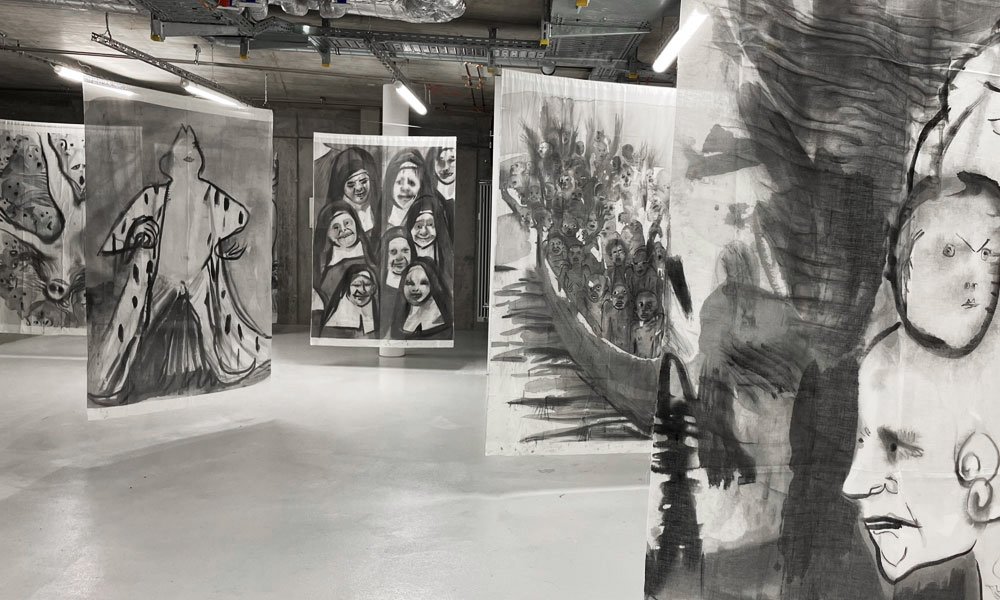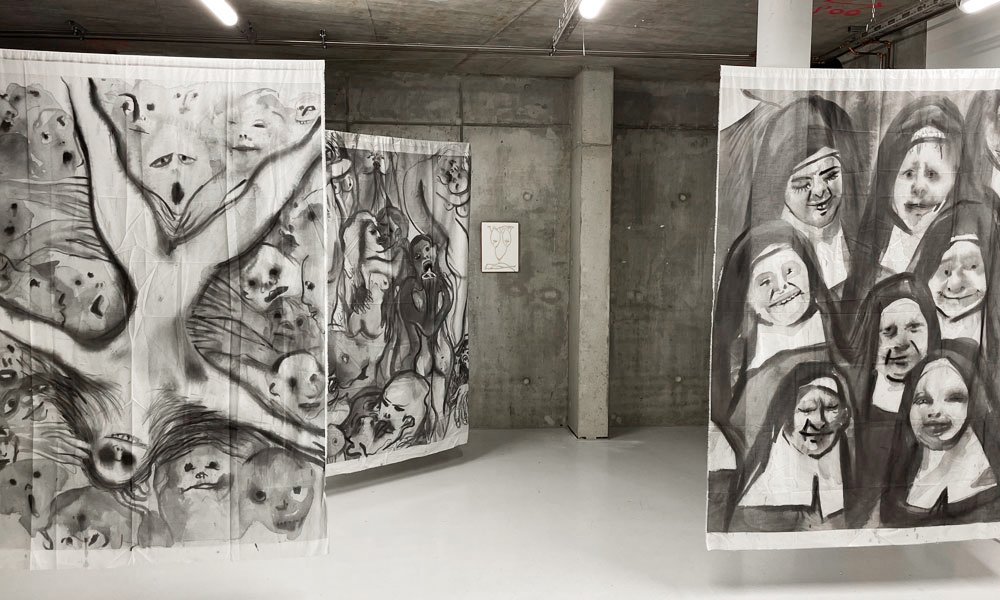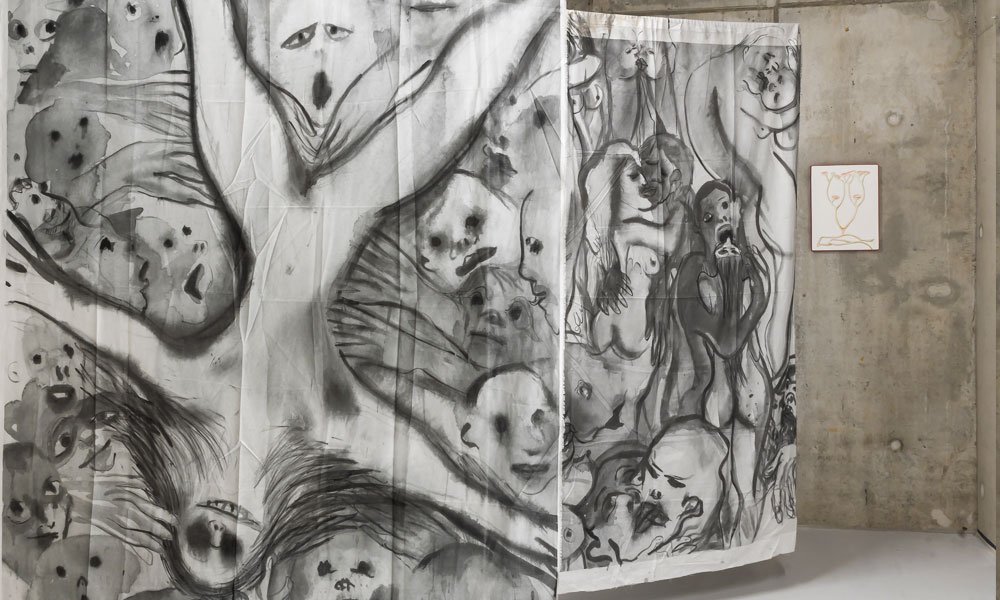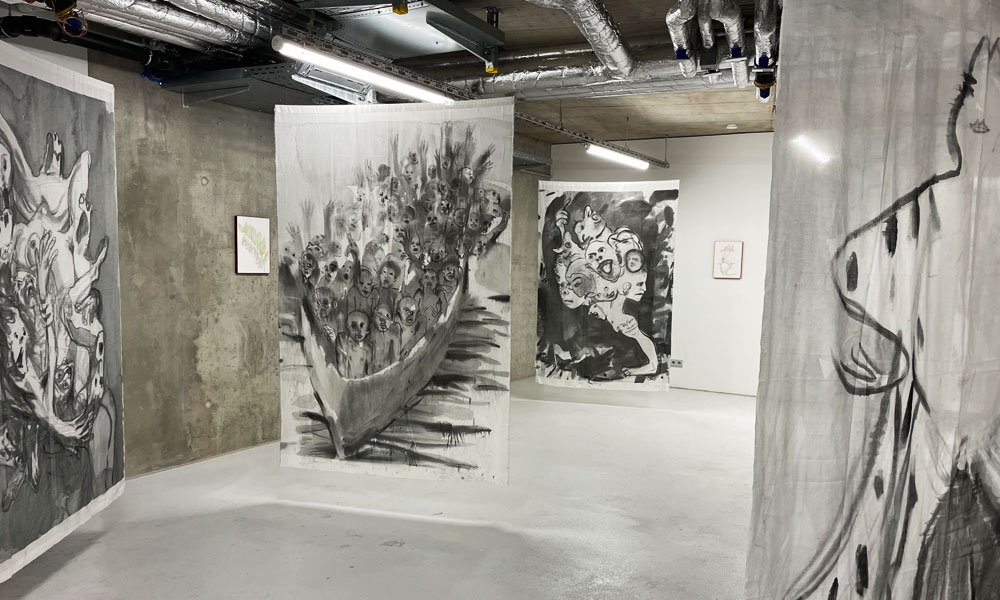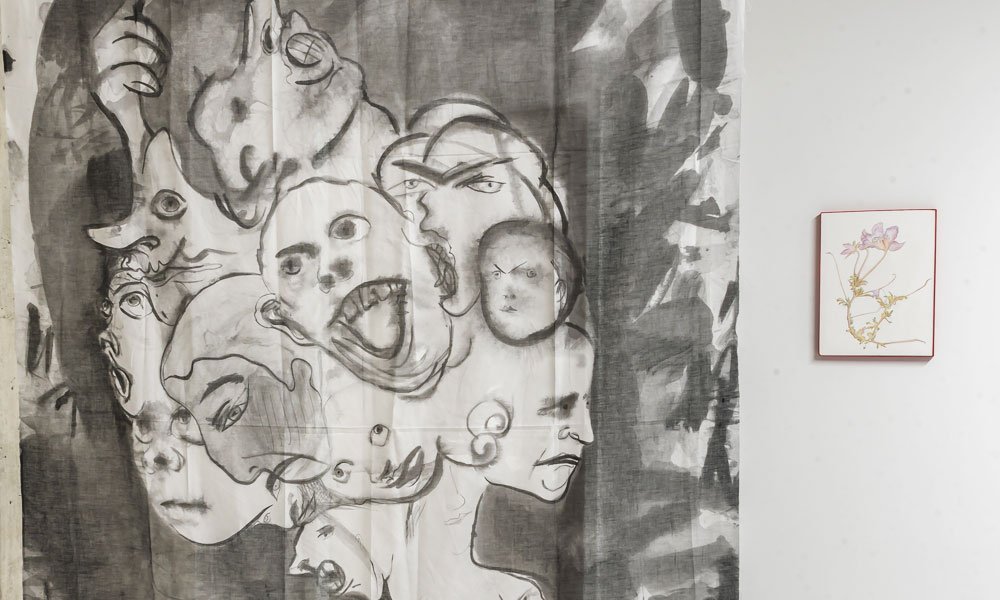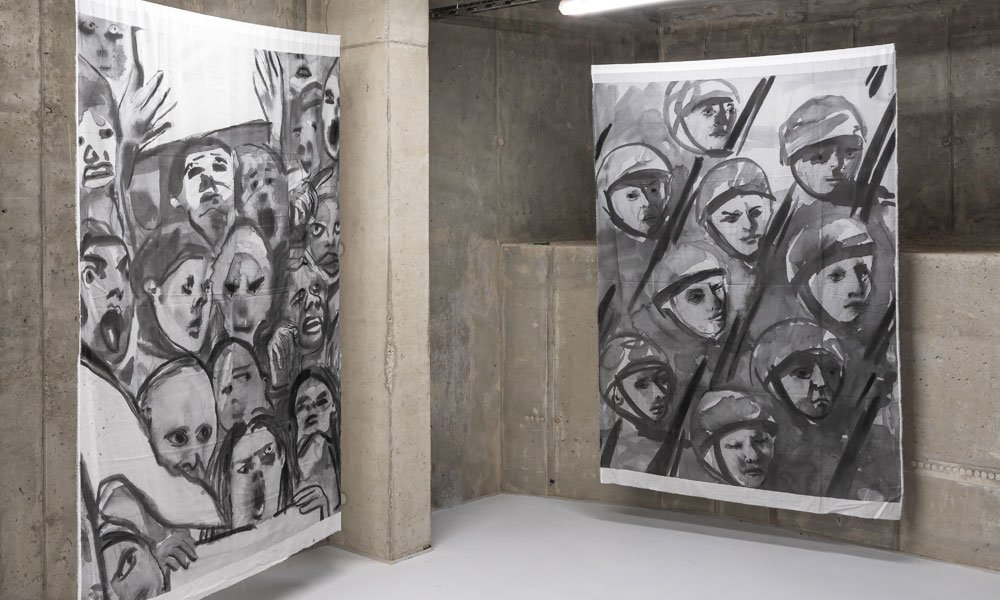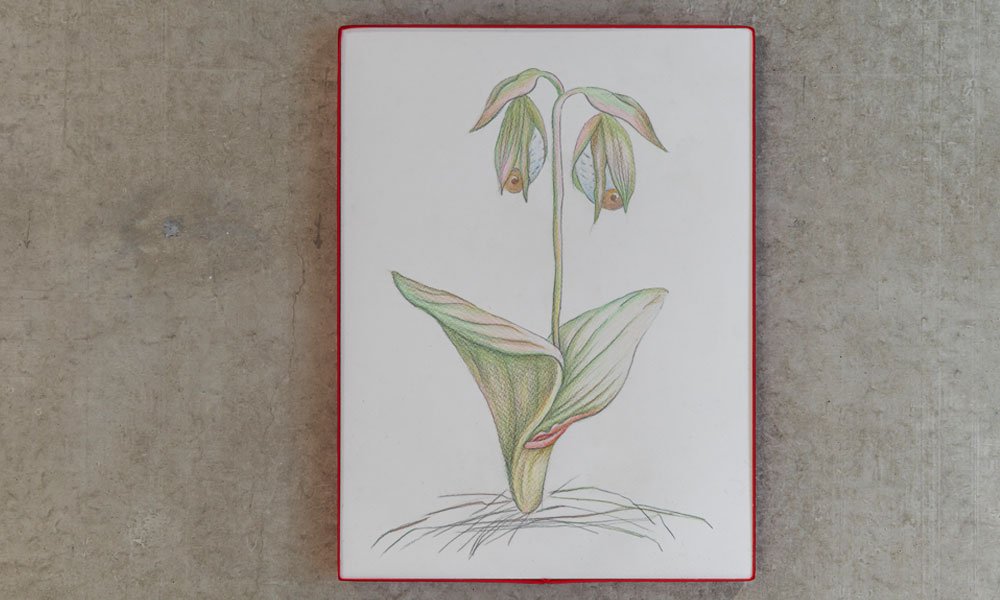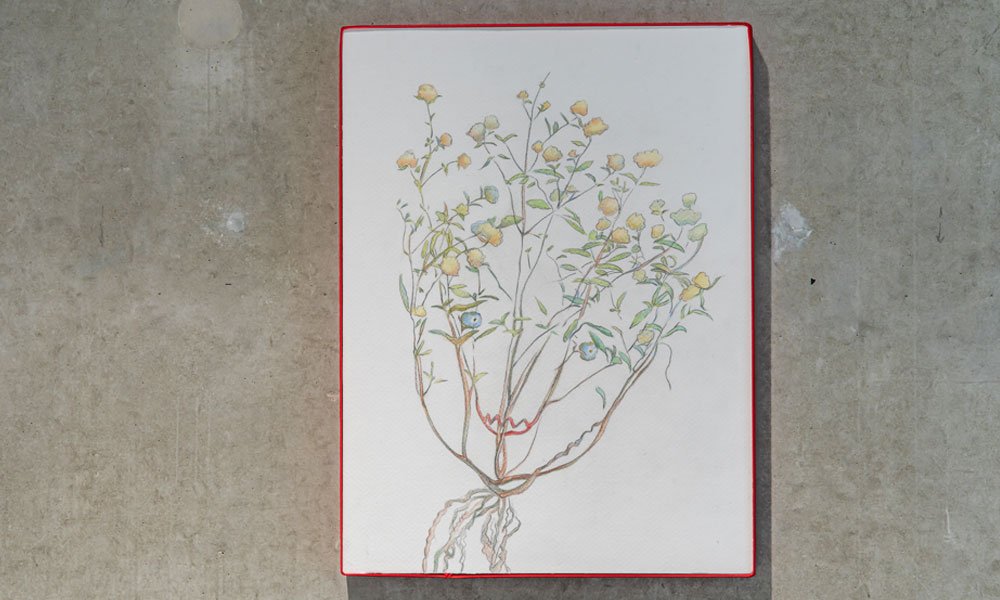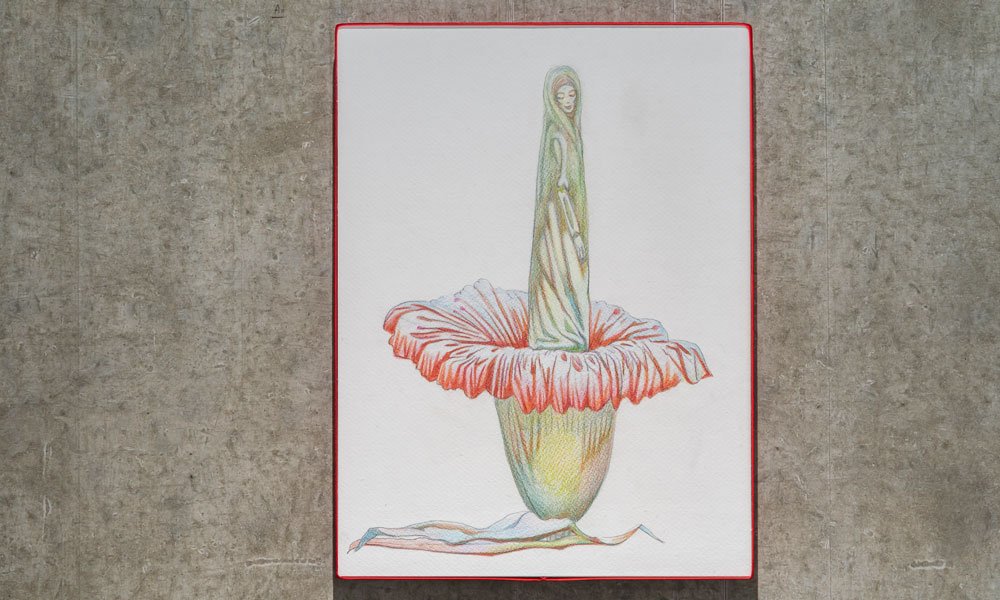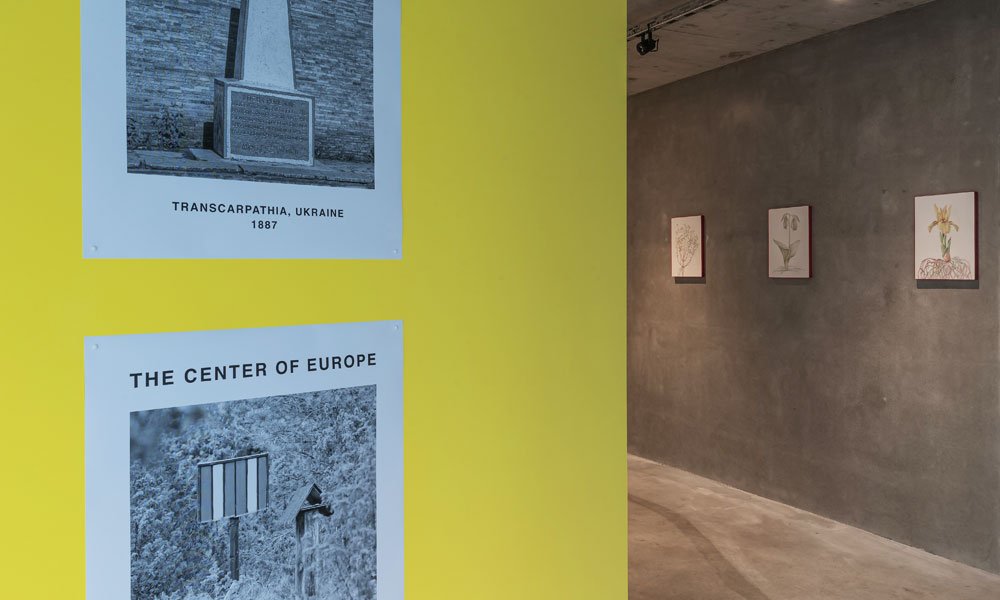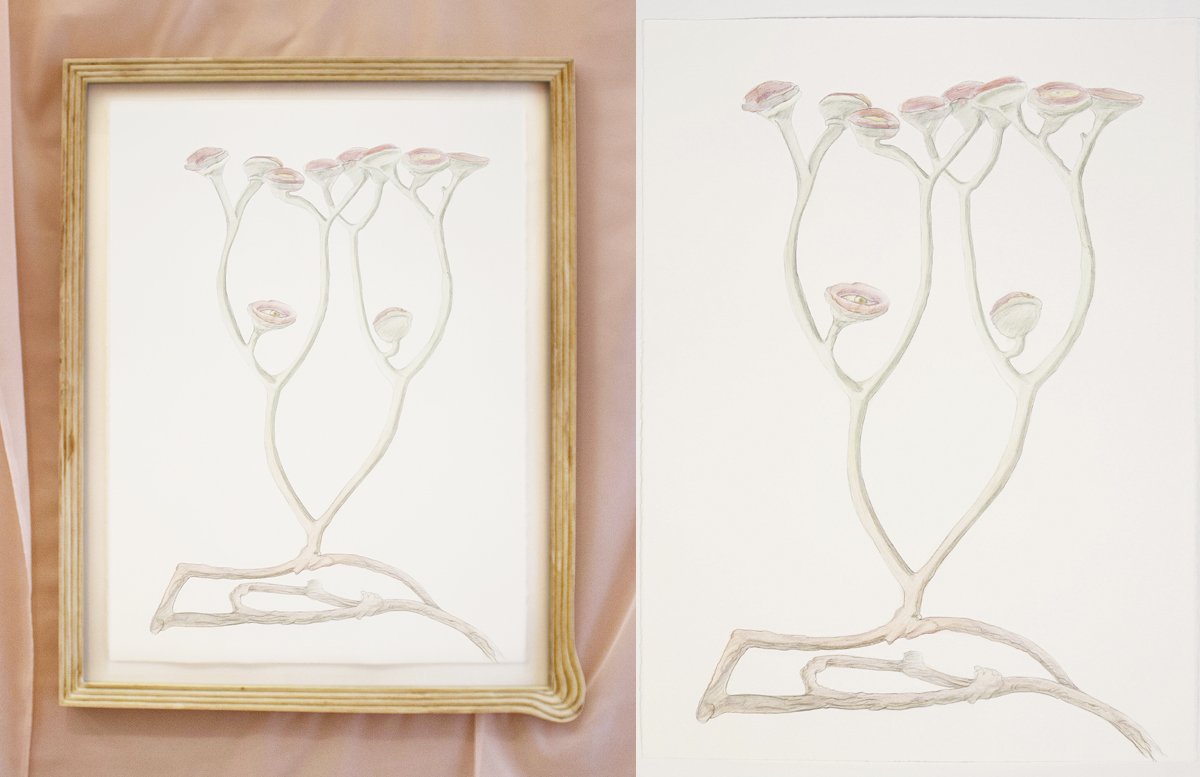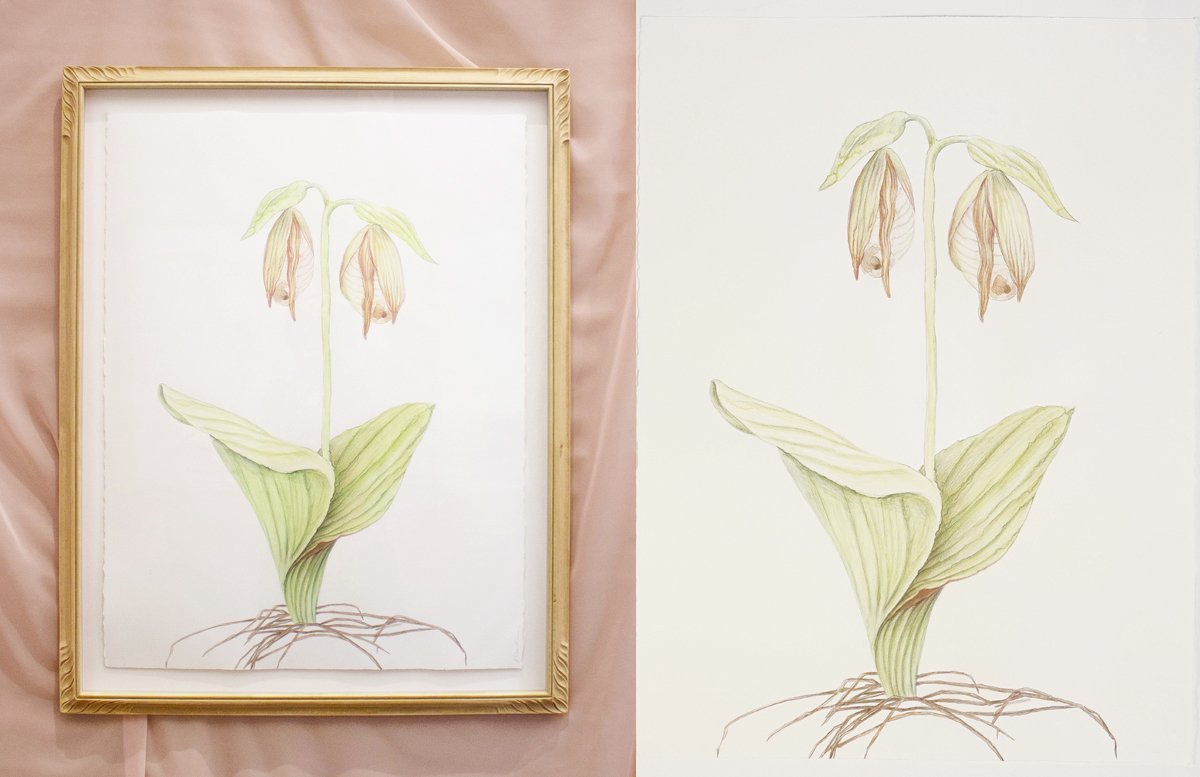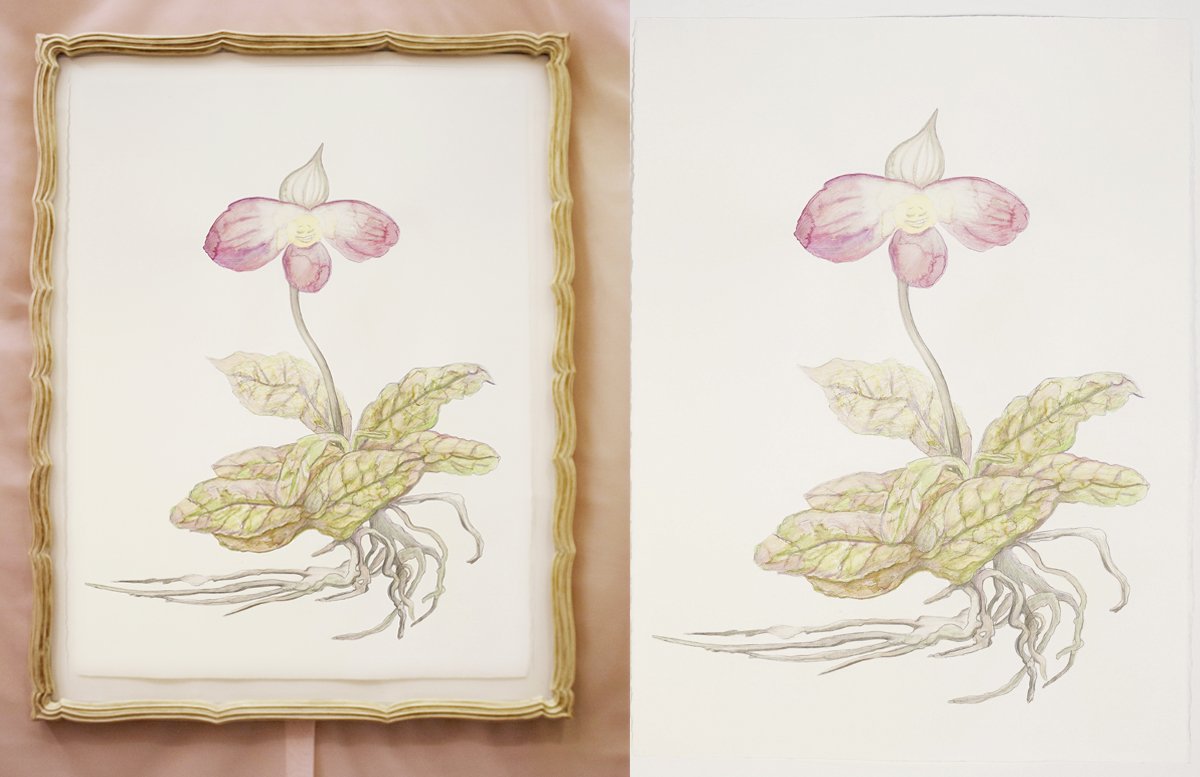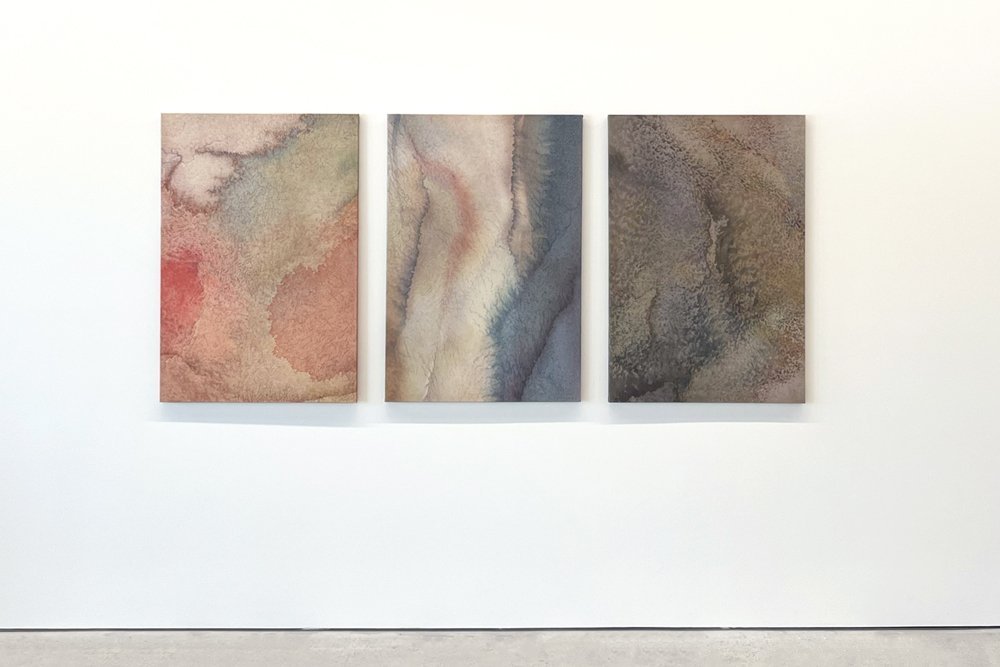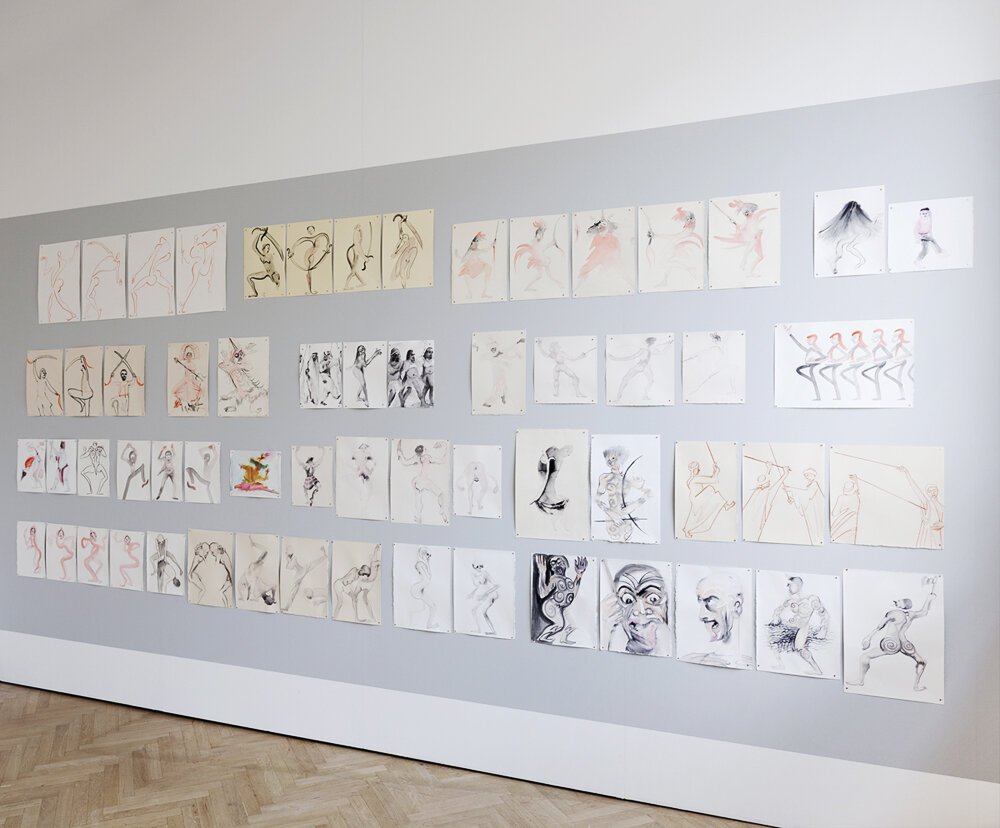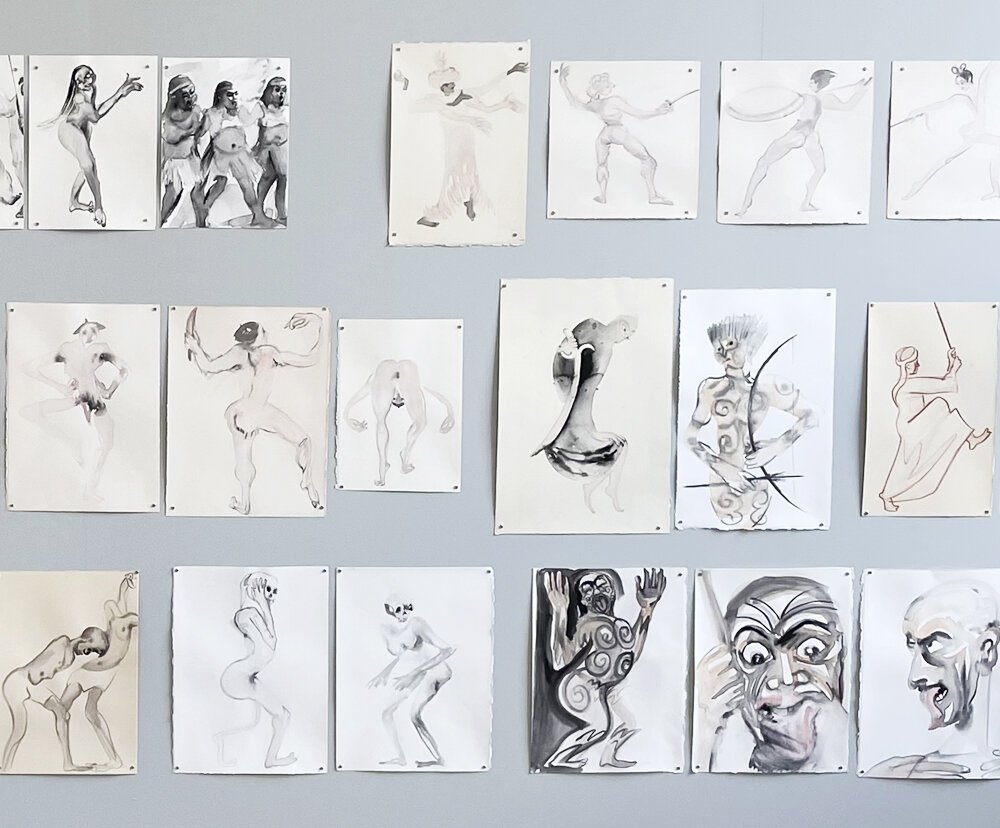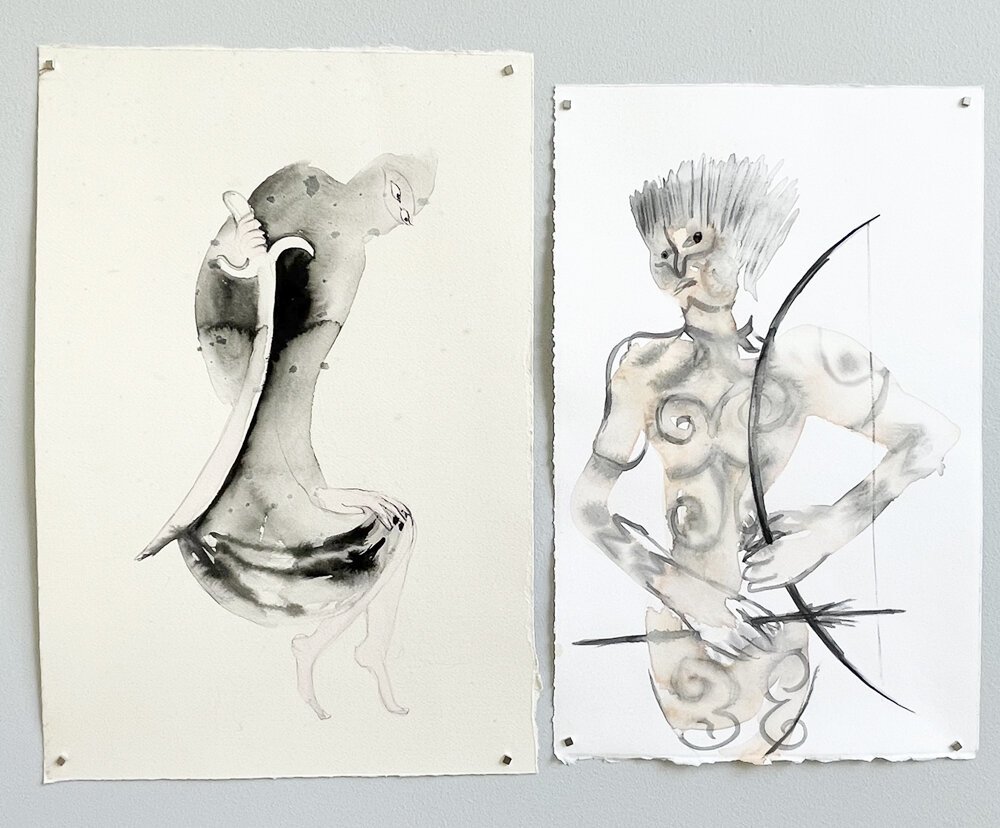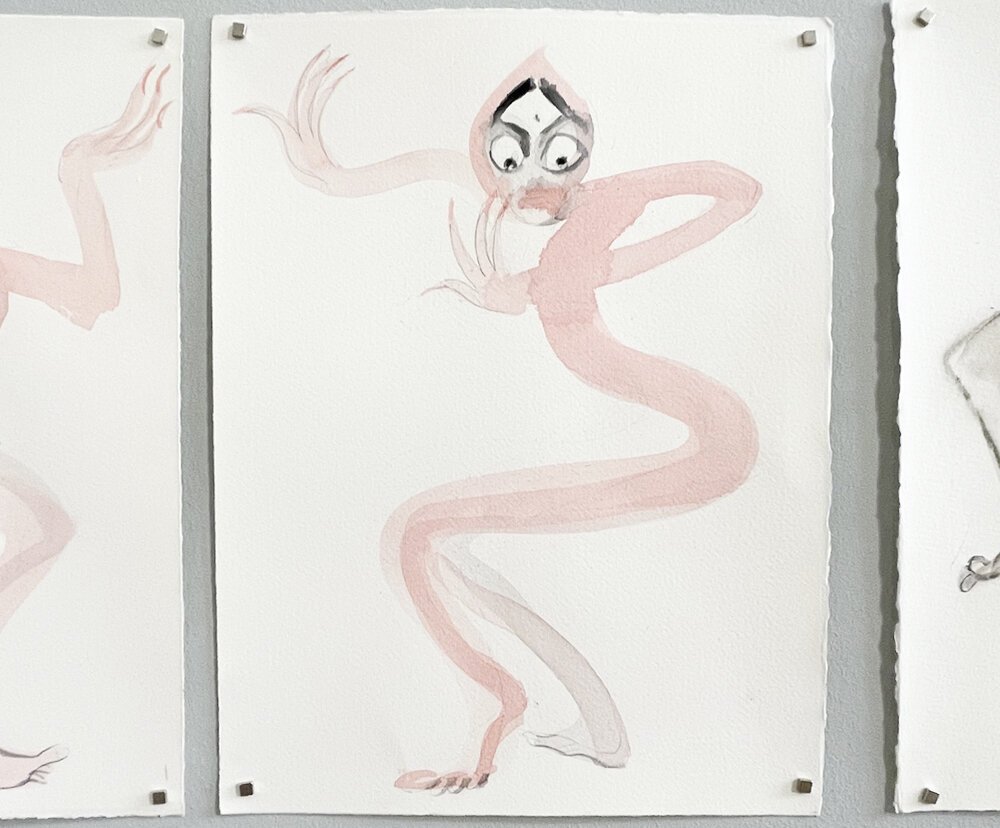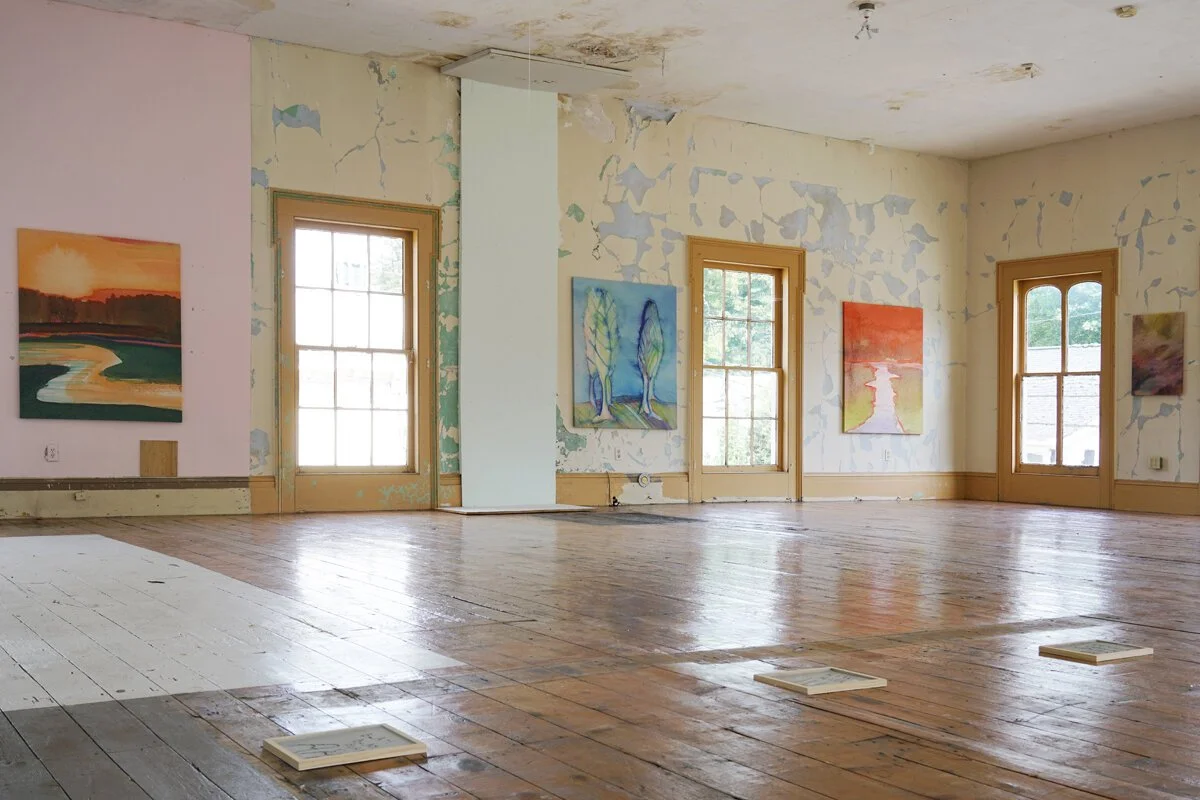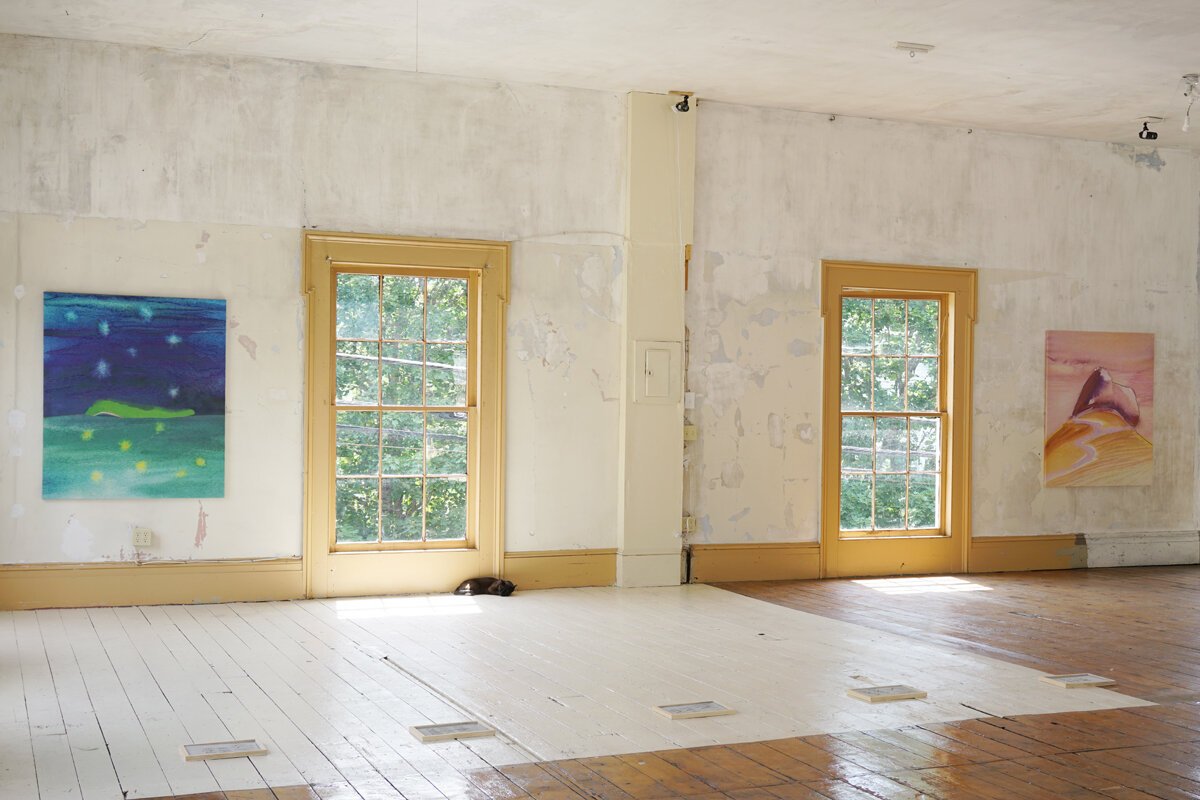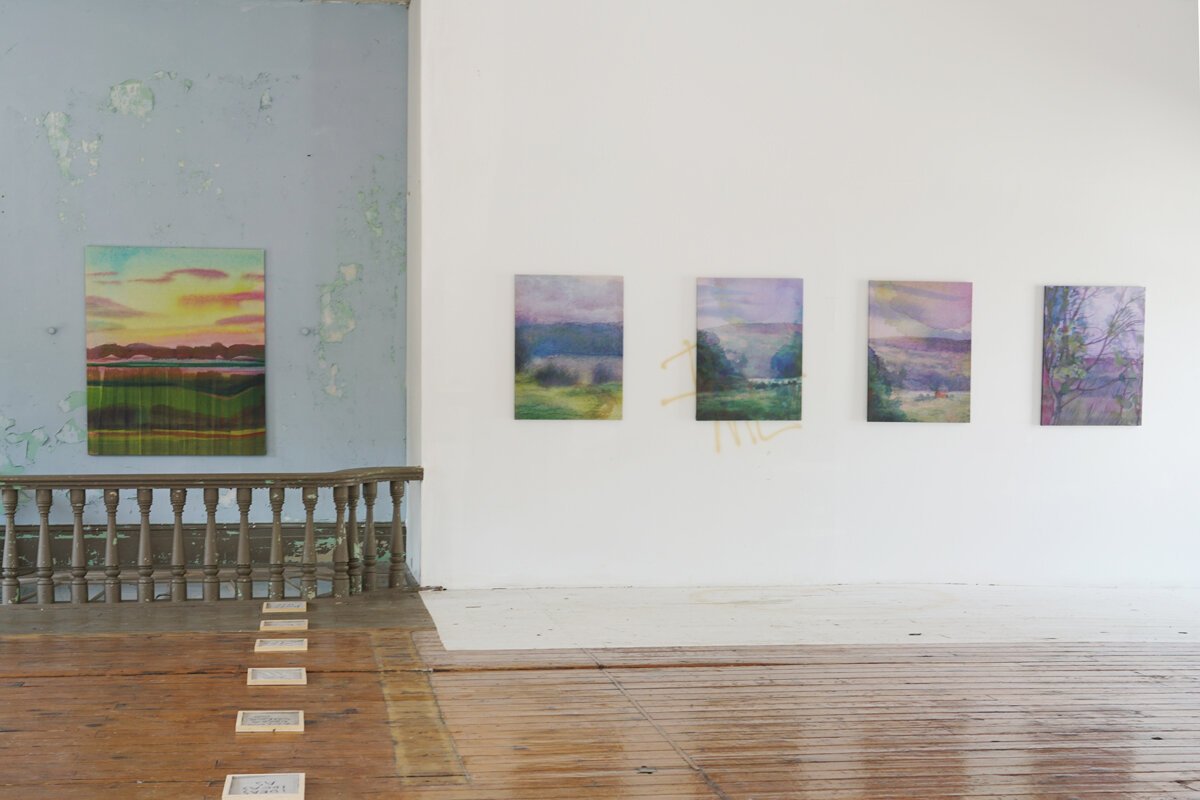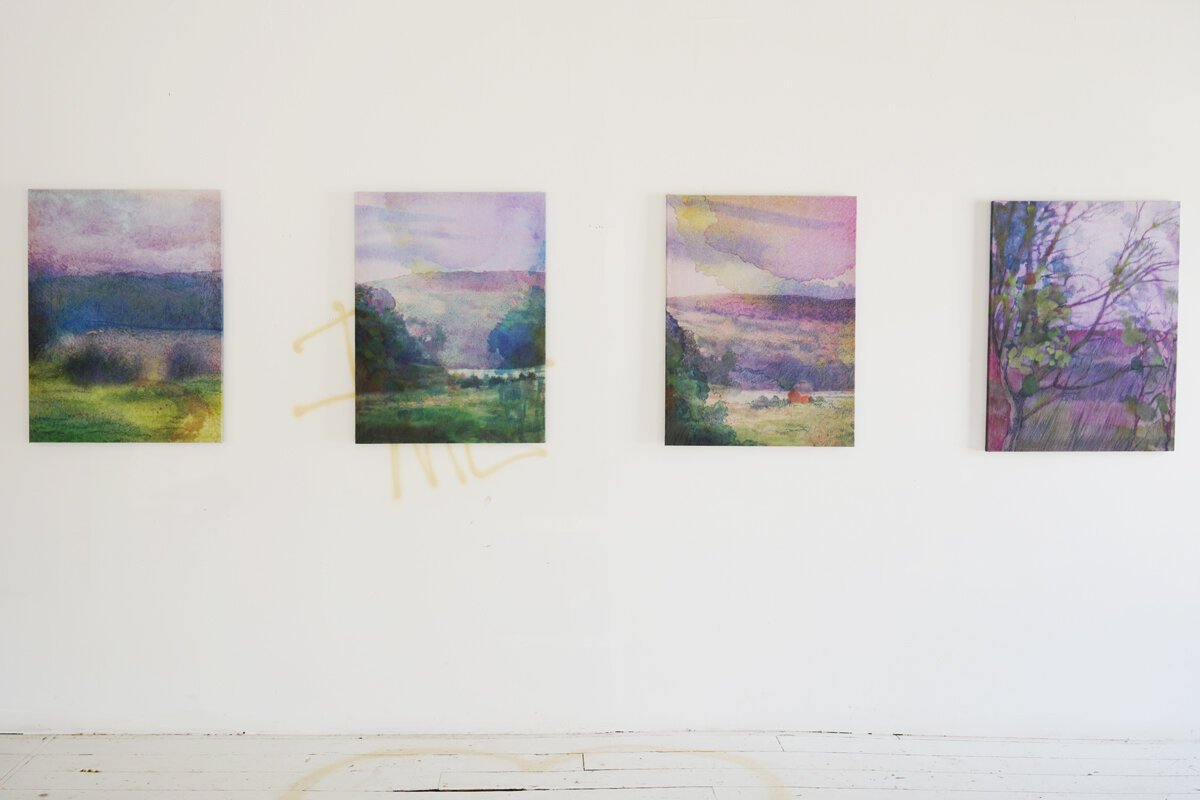
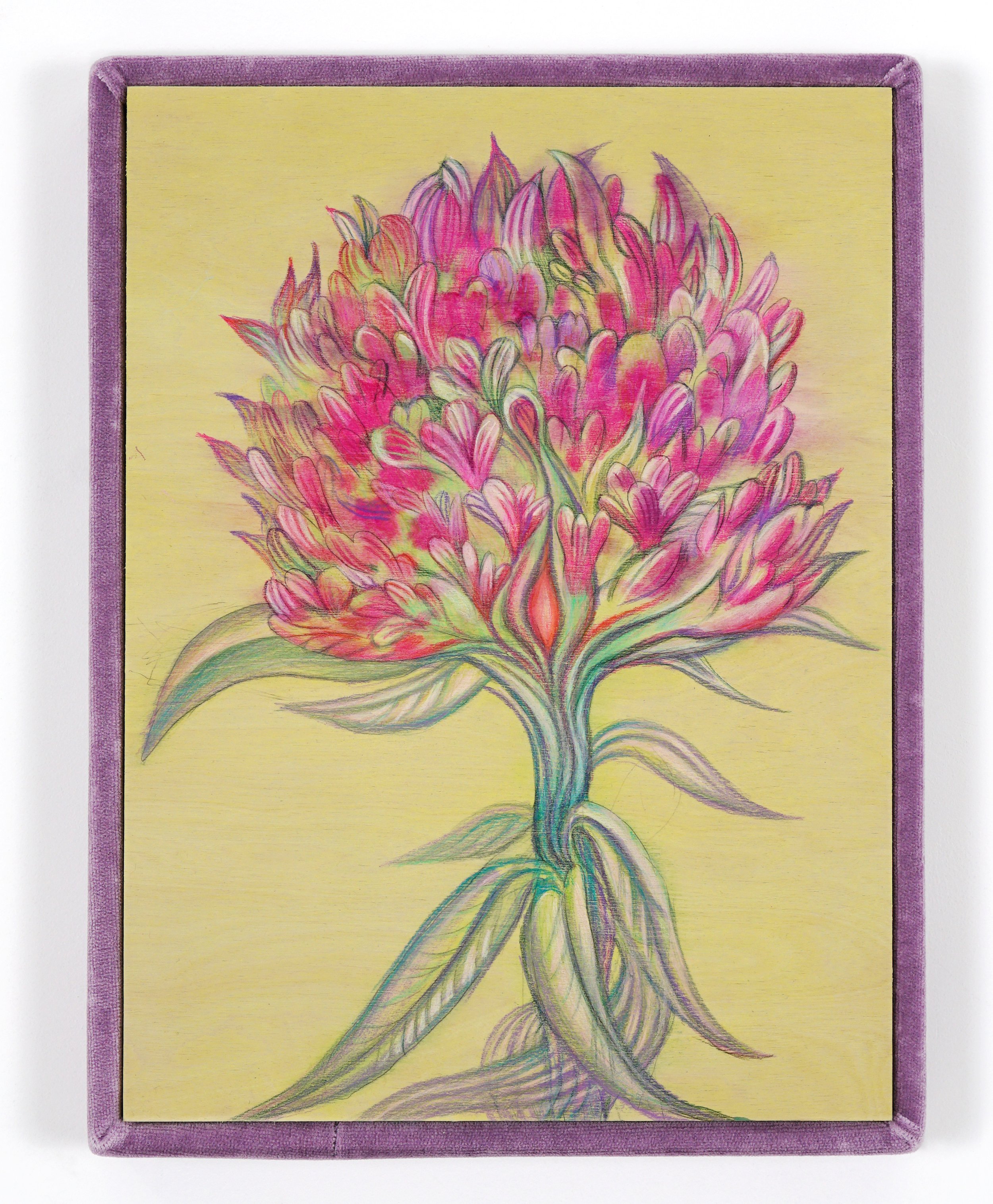
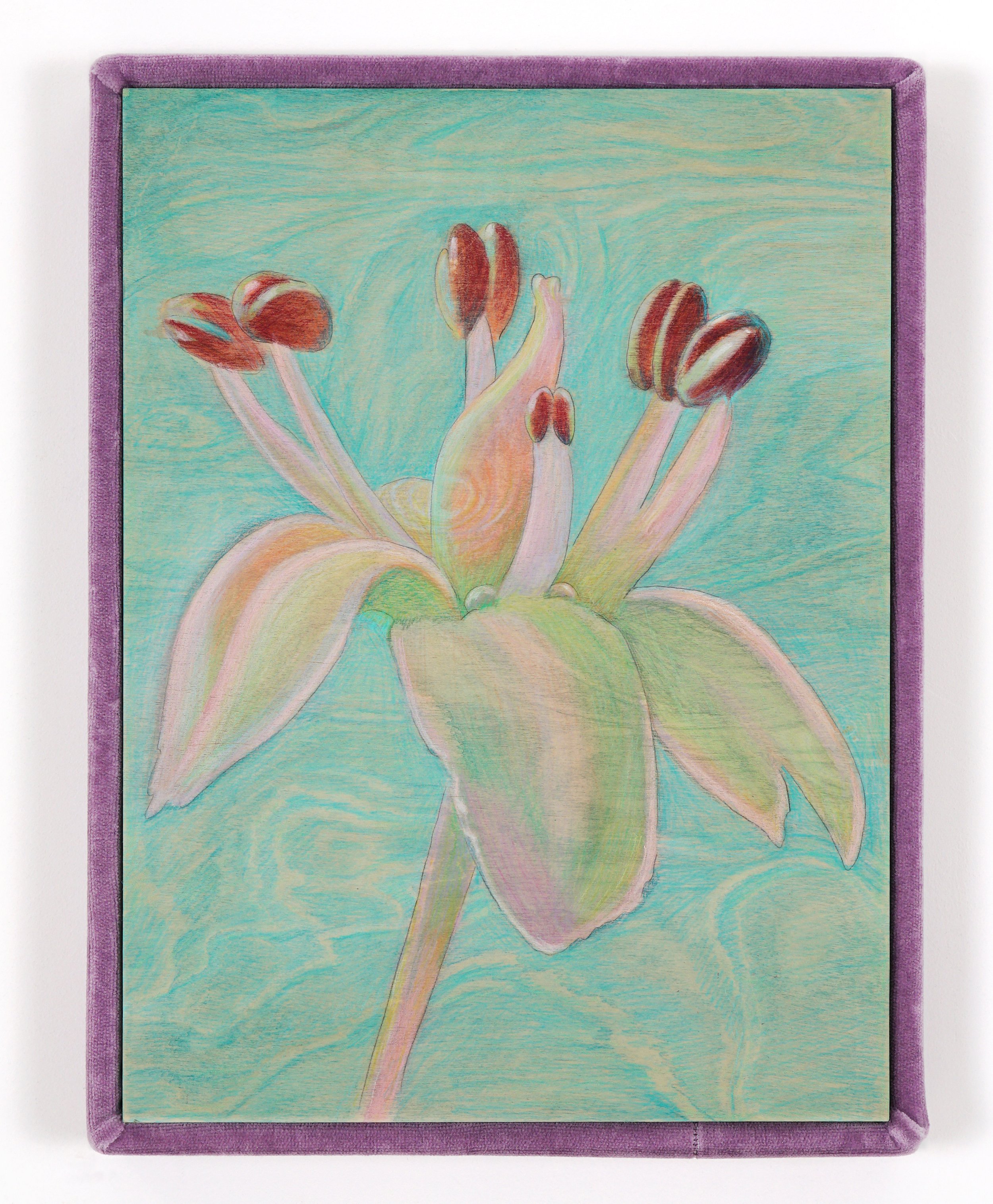
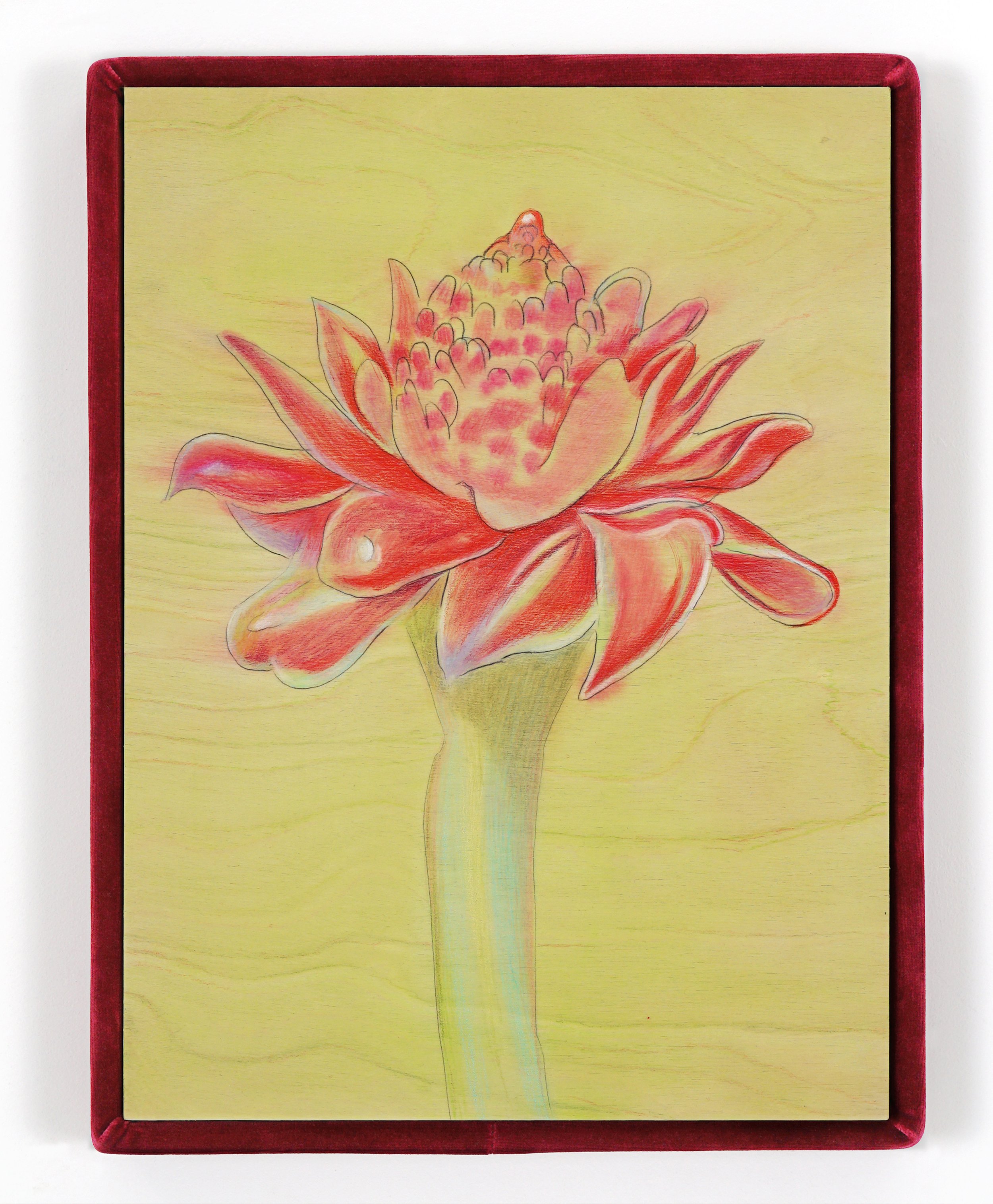
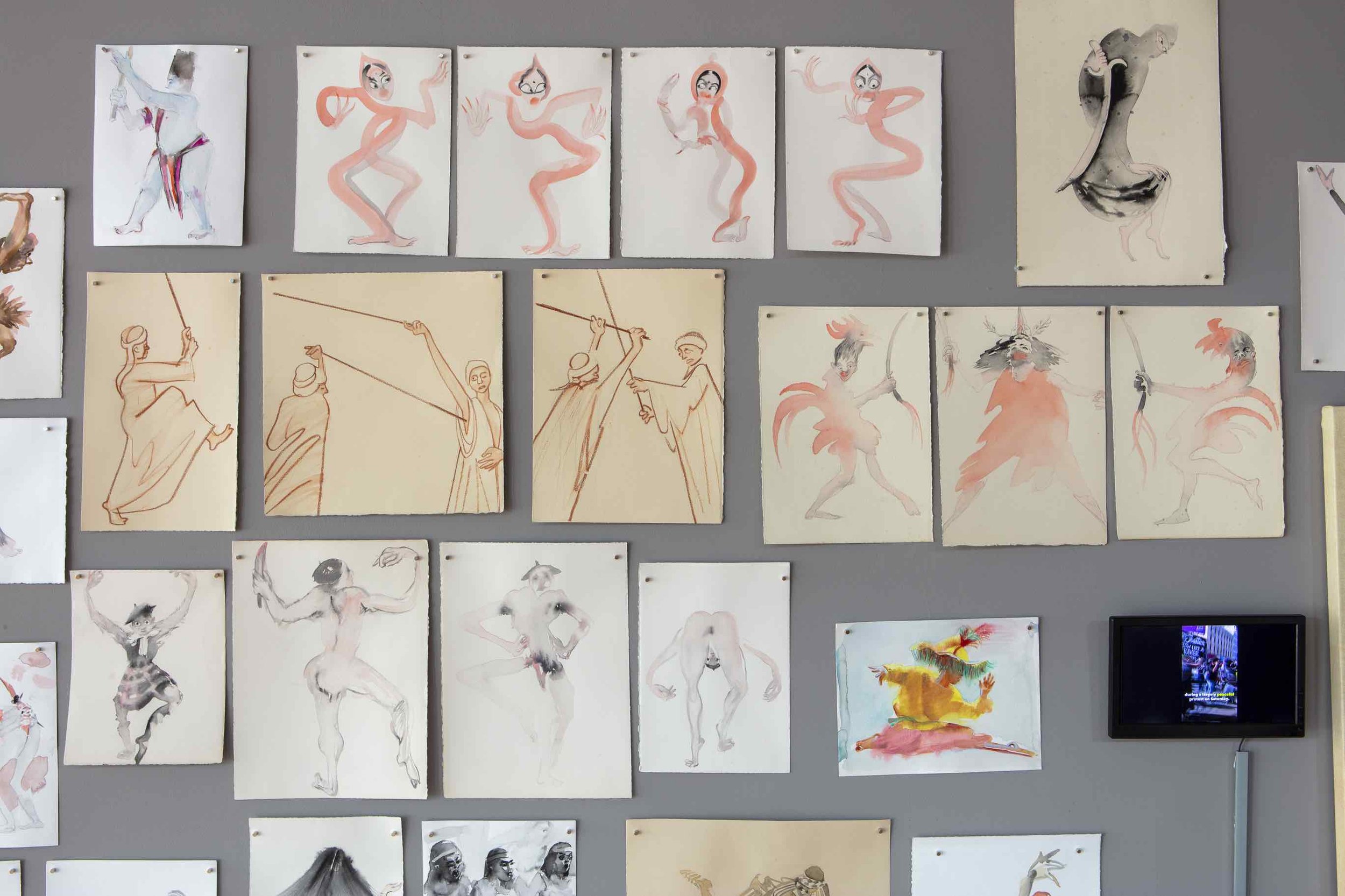
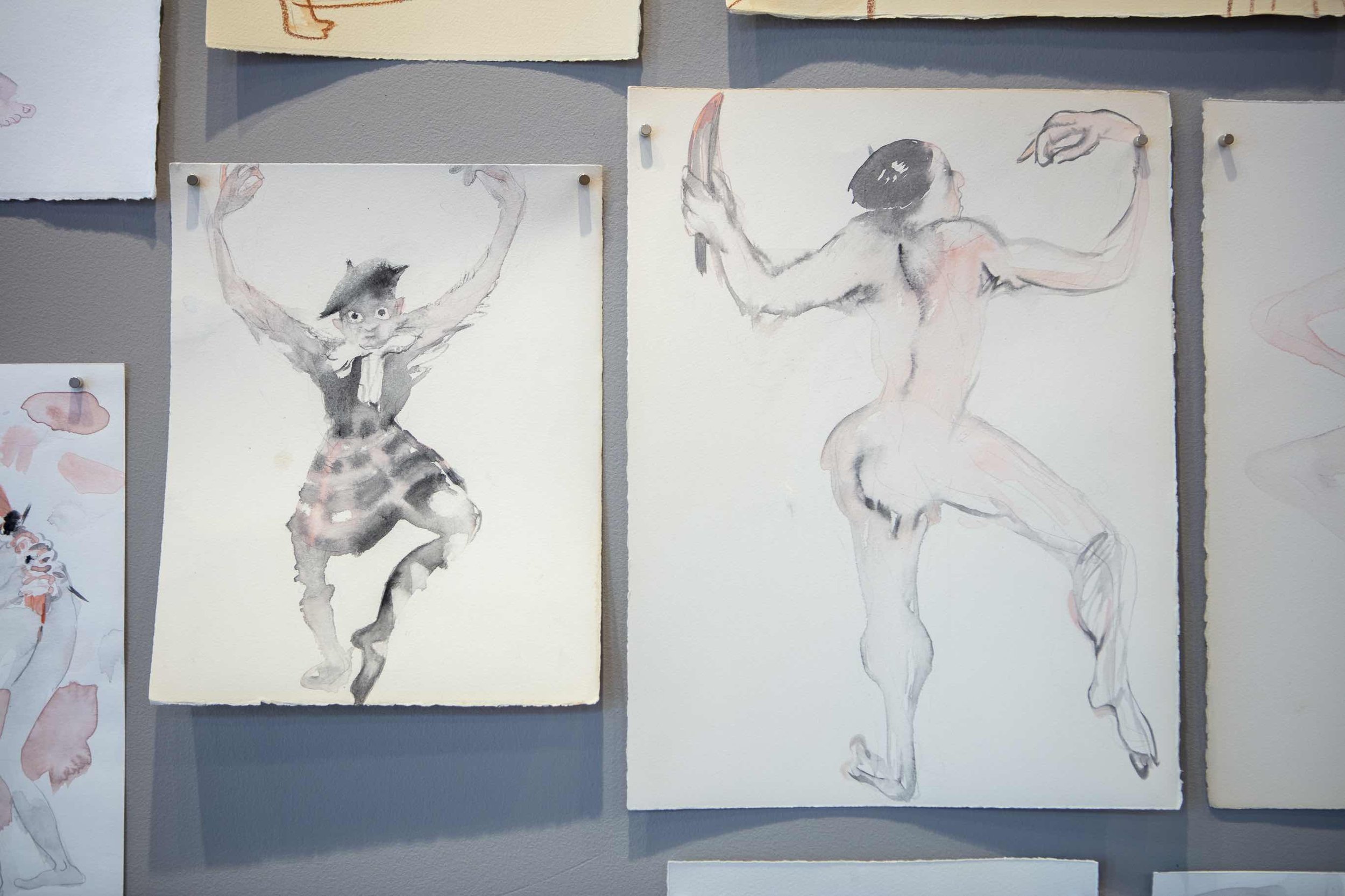
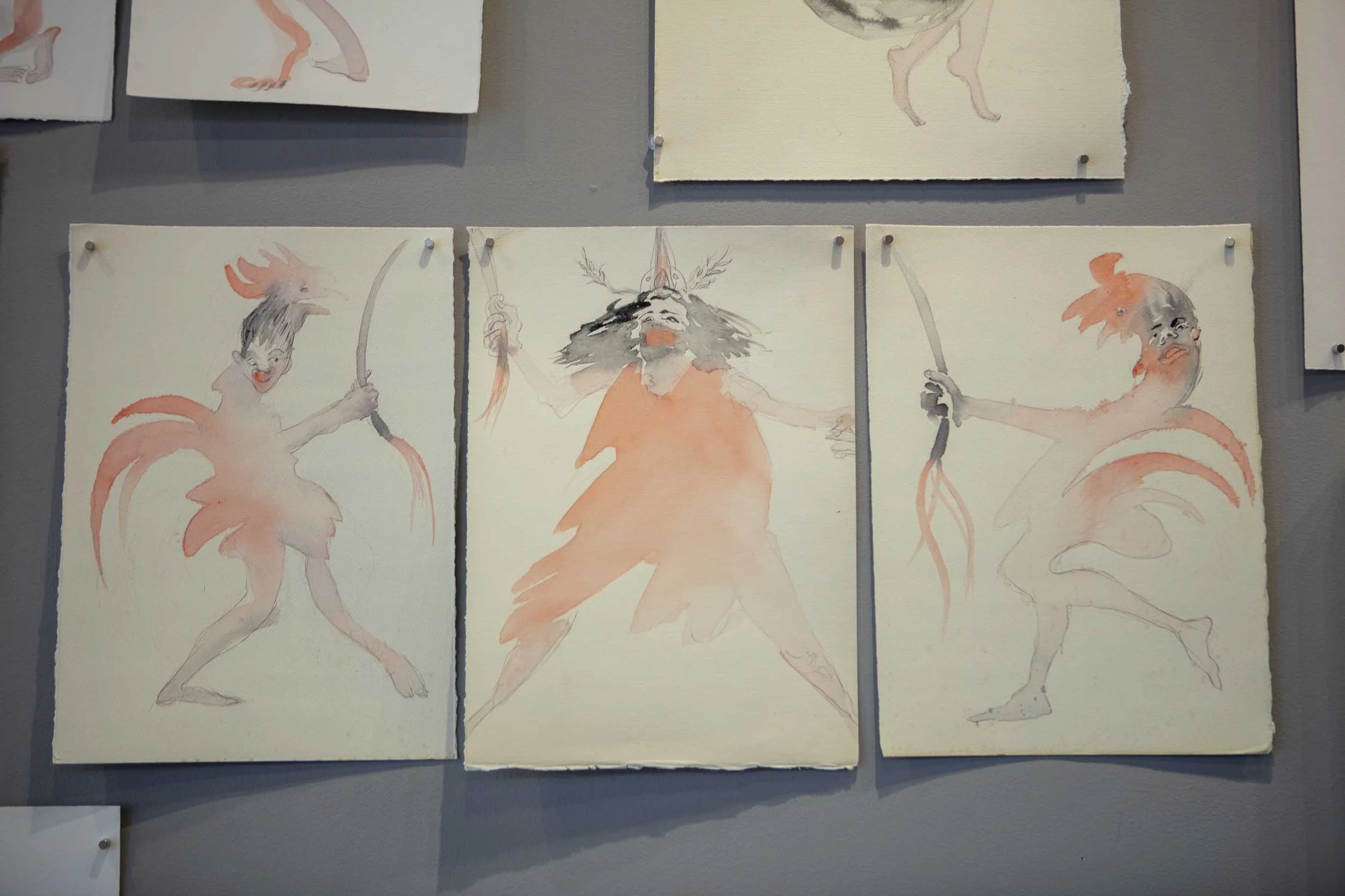
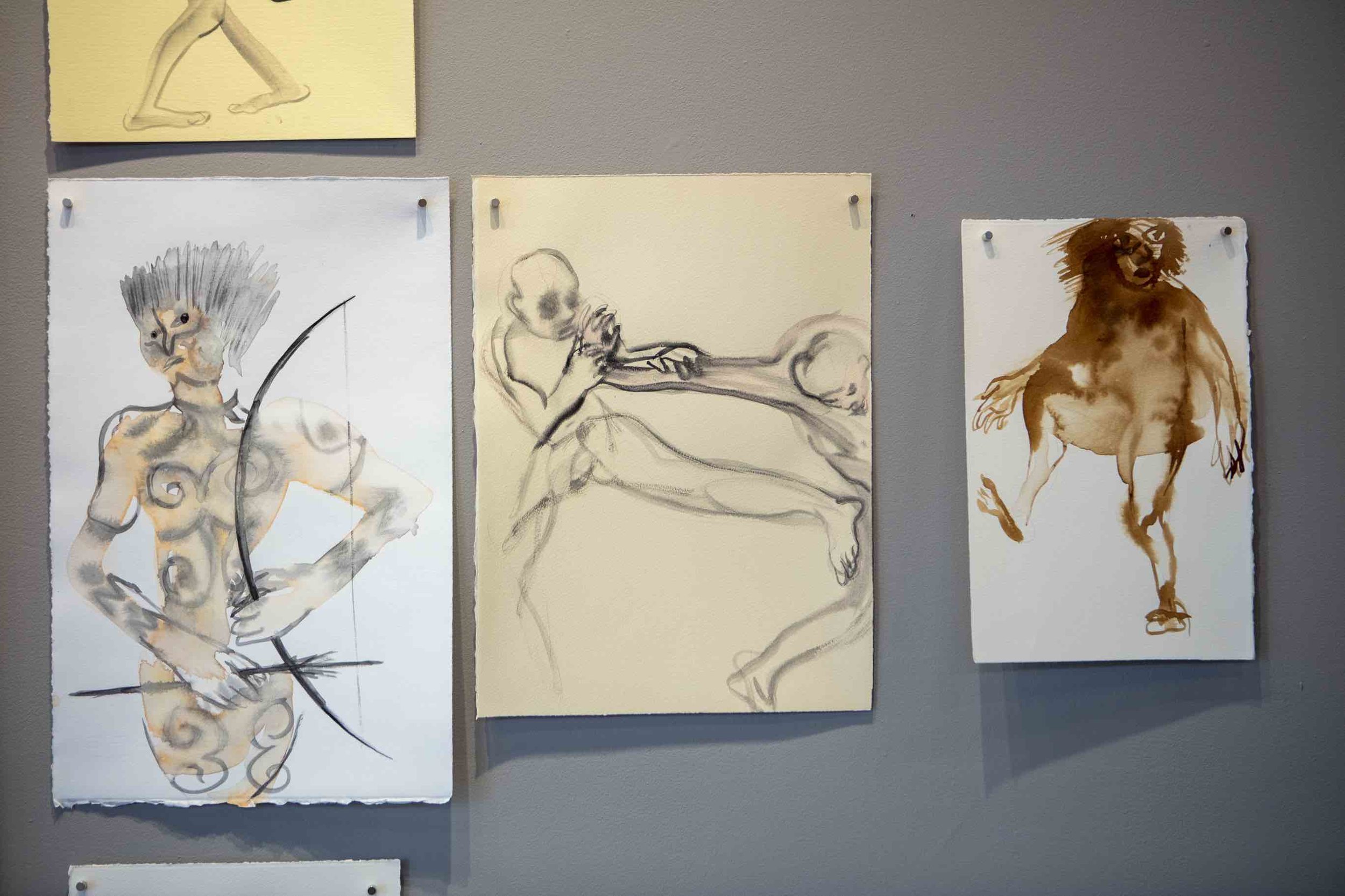
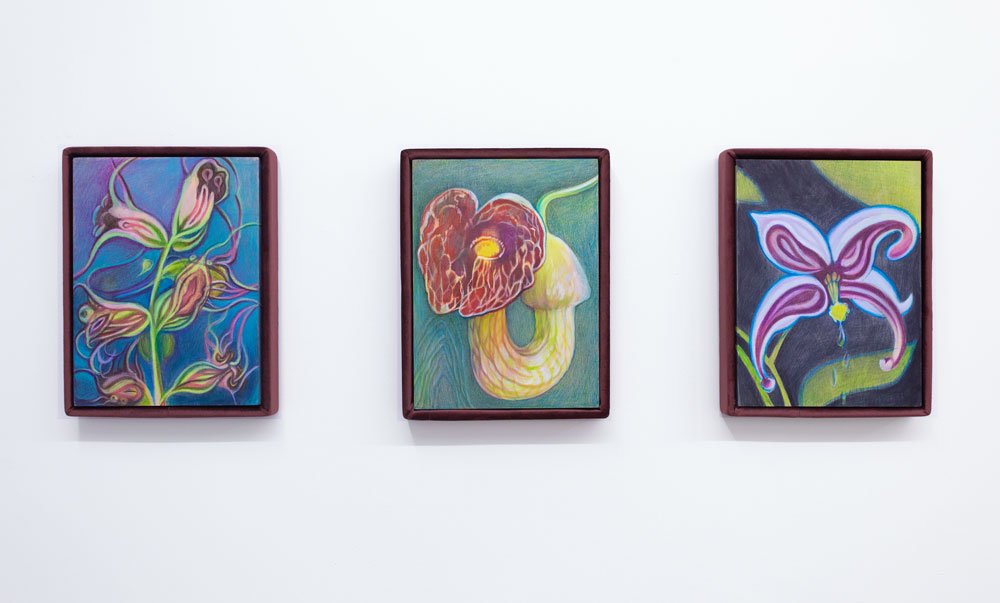
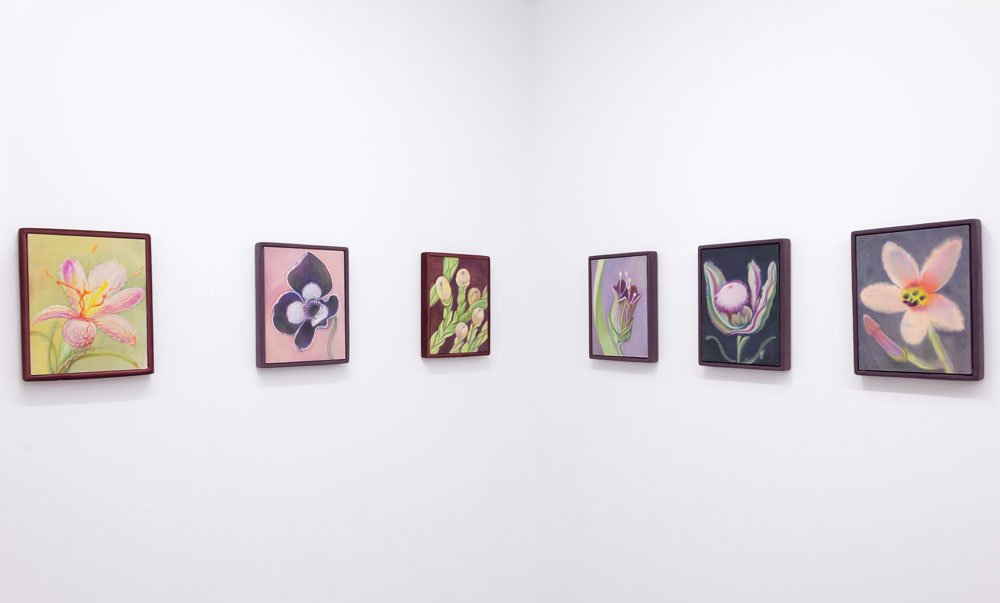
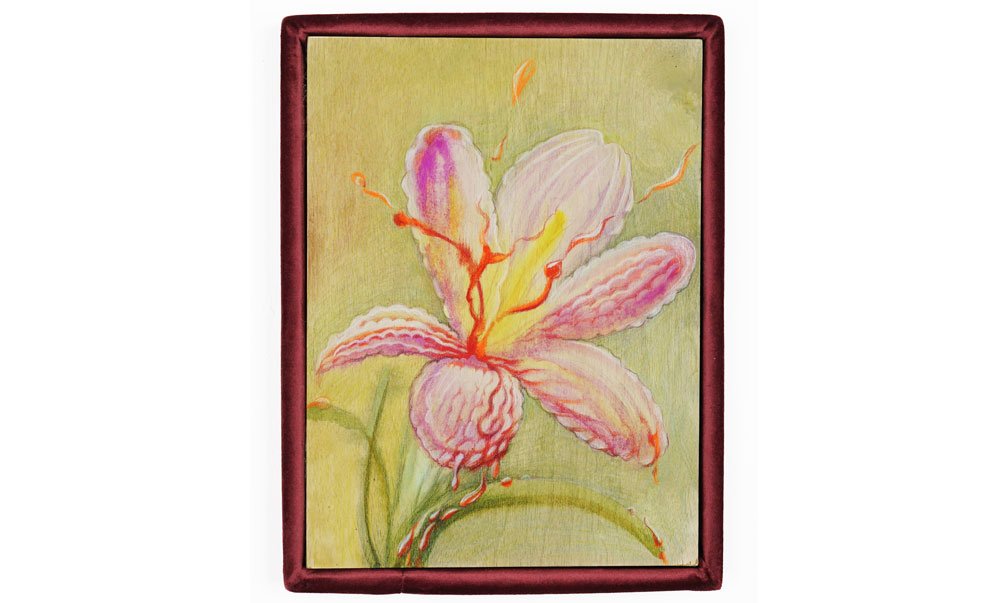
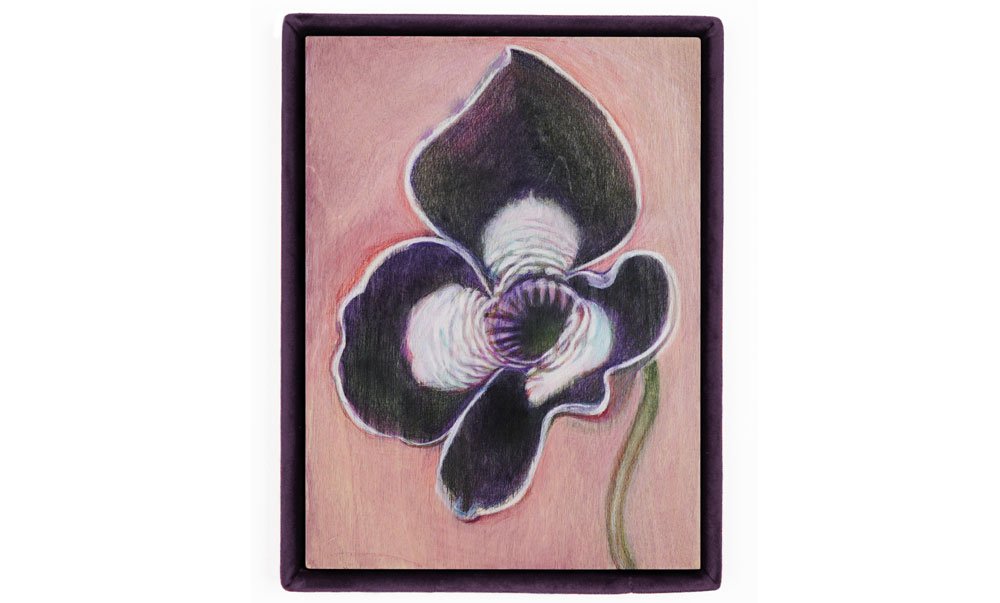
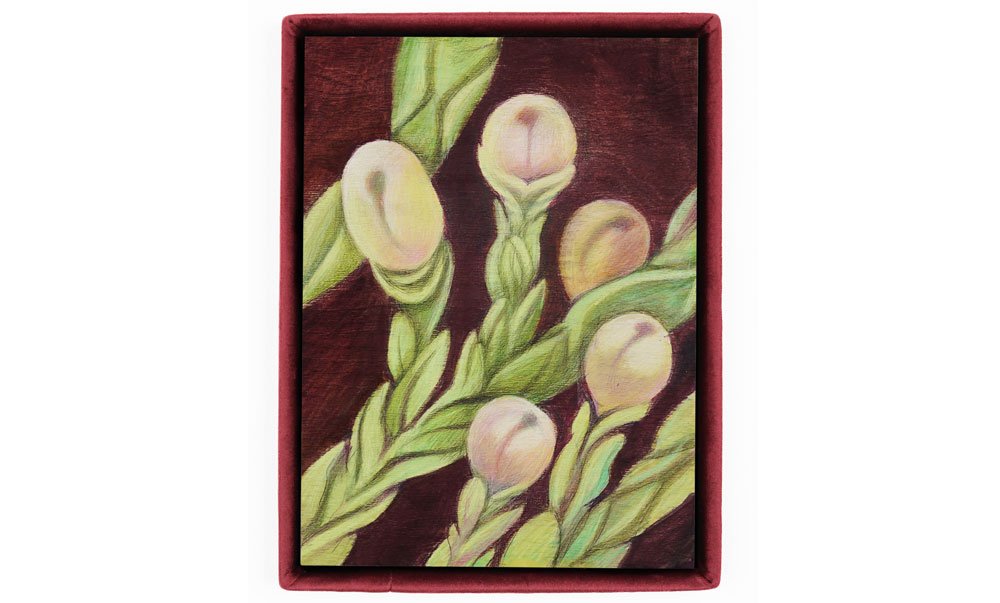
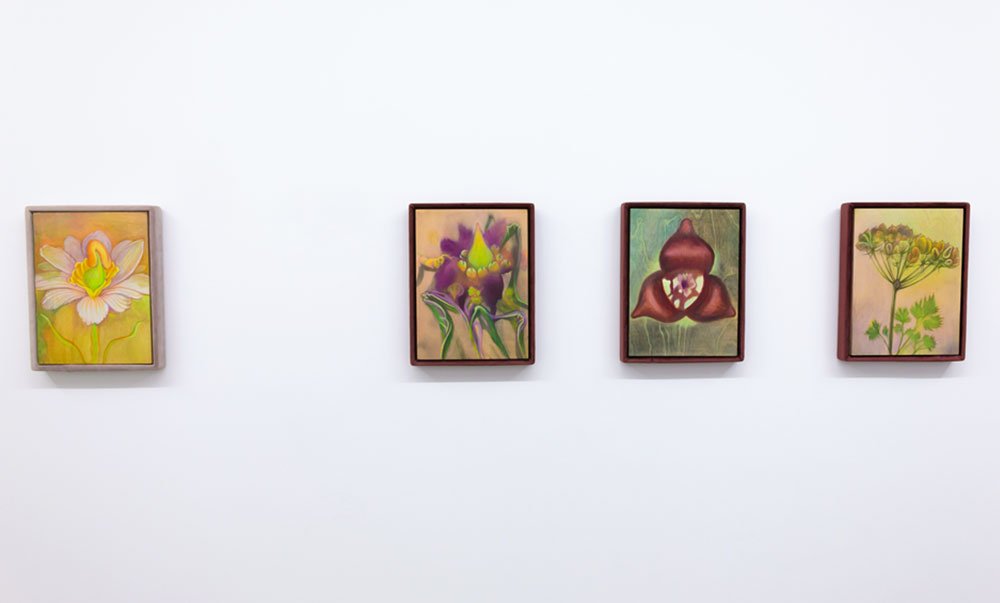
Plant Parenthood, Fertility Flowers at Hofudstodin Art Center, Reykjavík, Iceland, August 20-September 20, 2023

“First, there is the old truth that “In the beginning is the body,” with its desires, its powers, its manifold forms of resistance to exploitation. As is often recognized, there is no social change, no cultural or political innovation that is not expressed through the body, no economic practice that is not applied to it.’ 

Beyond the Periphery of the Skin,Silvia Federici, 2020

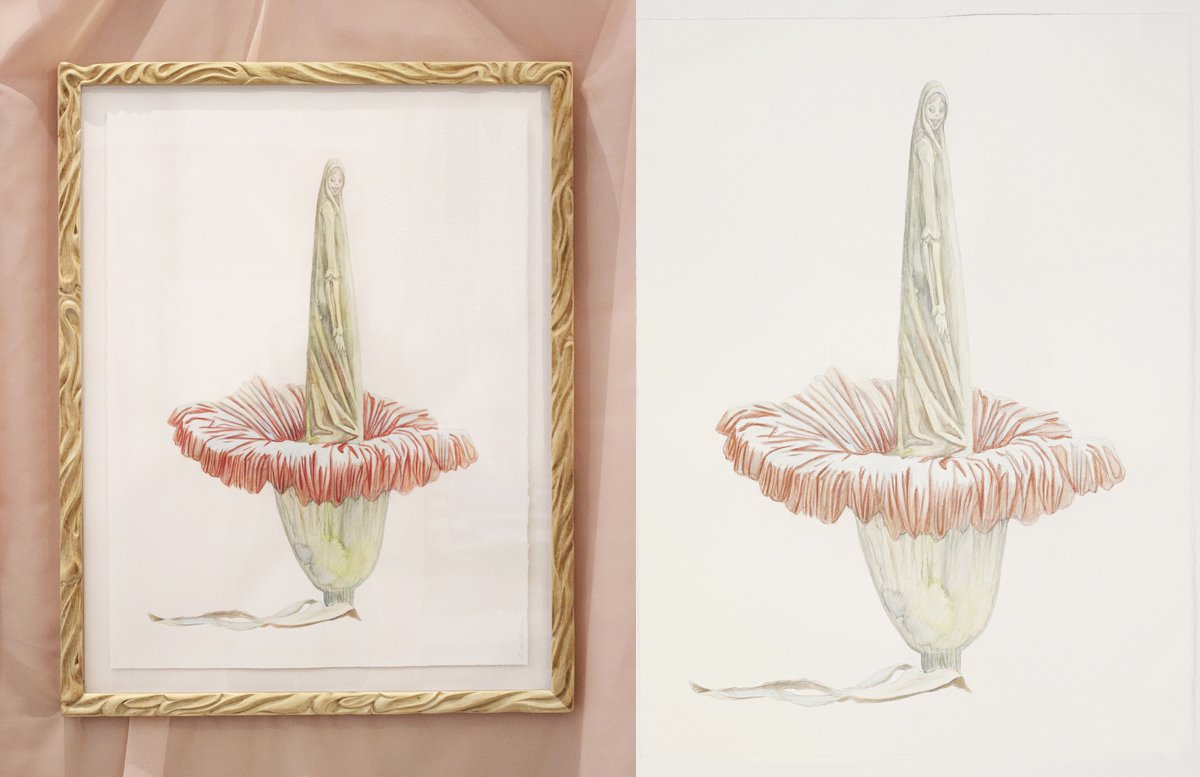
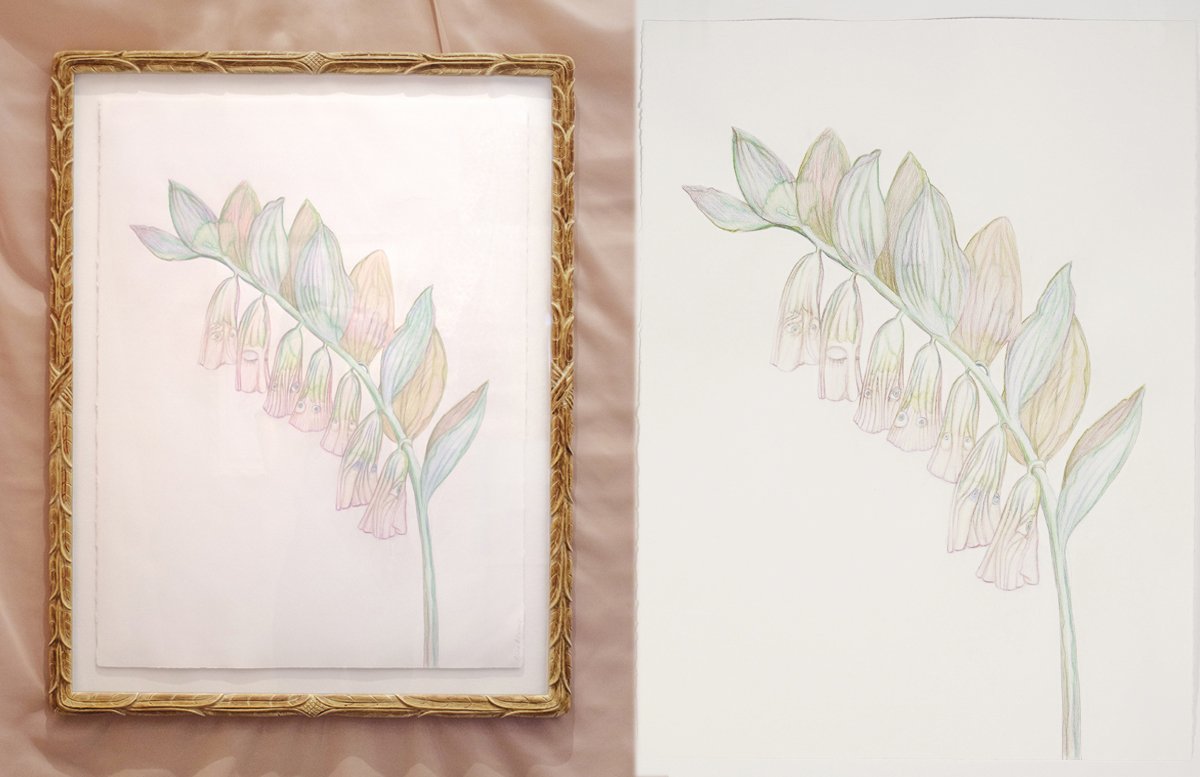
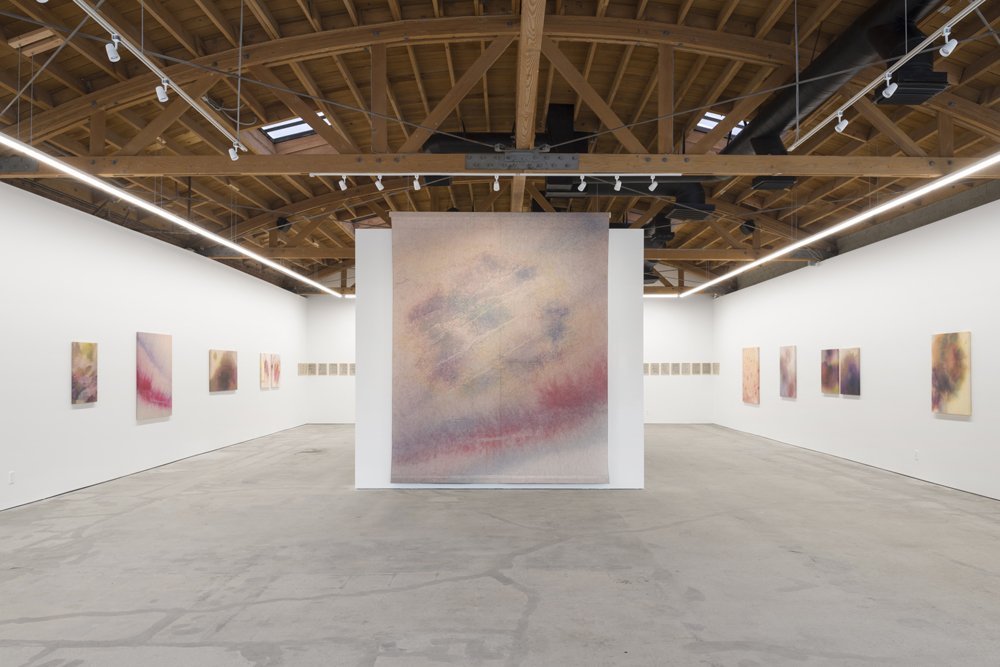
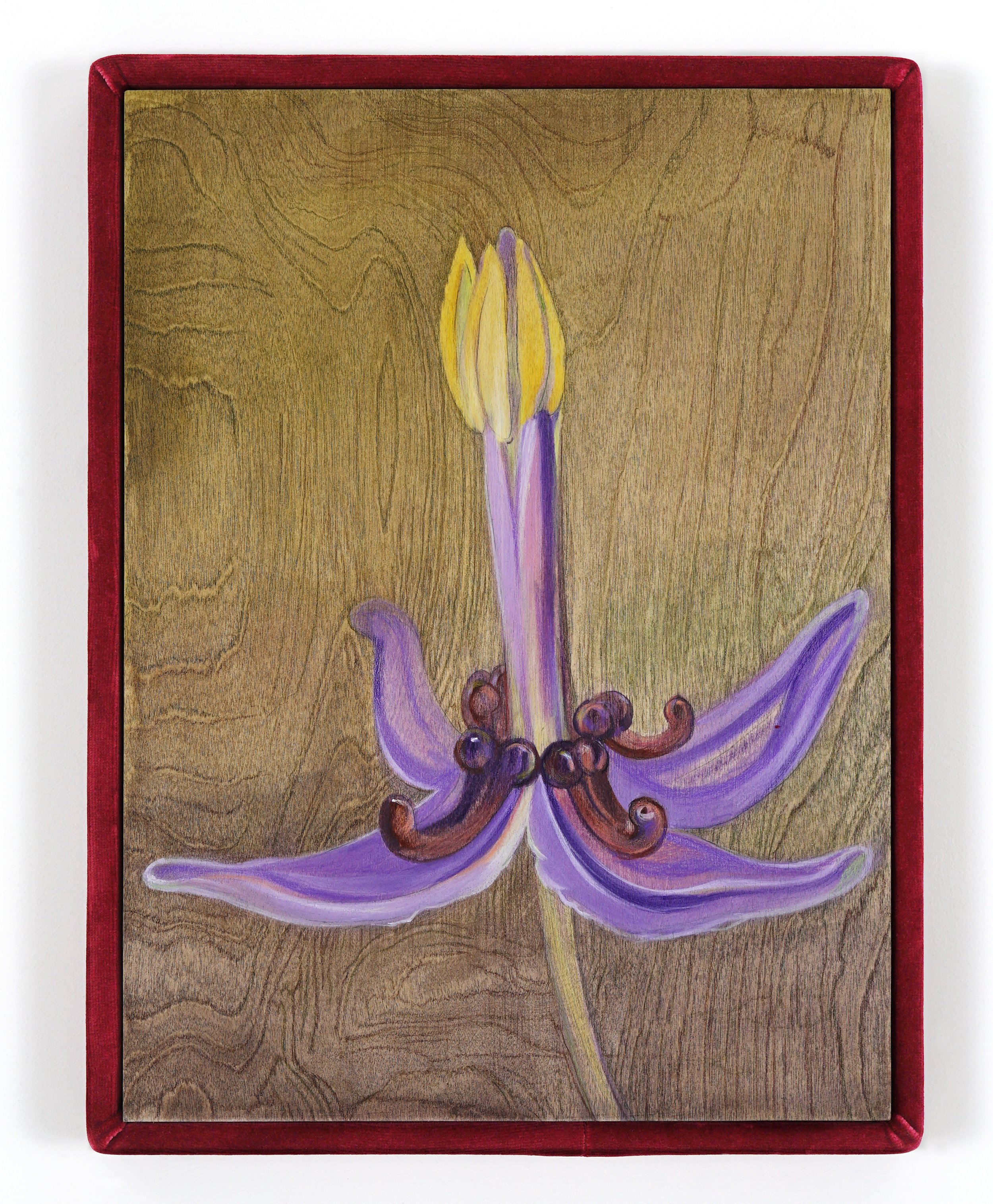
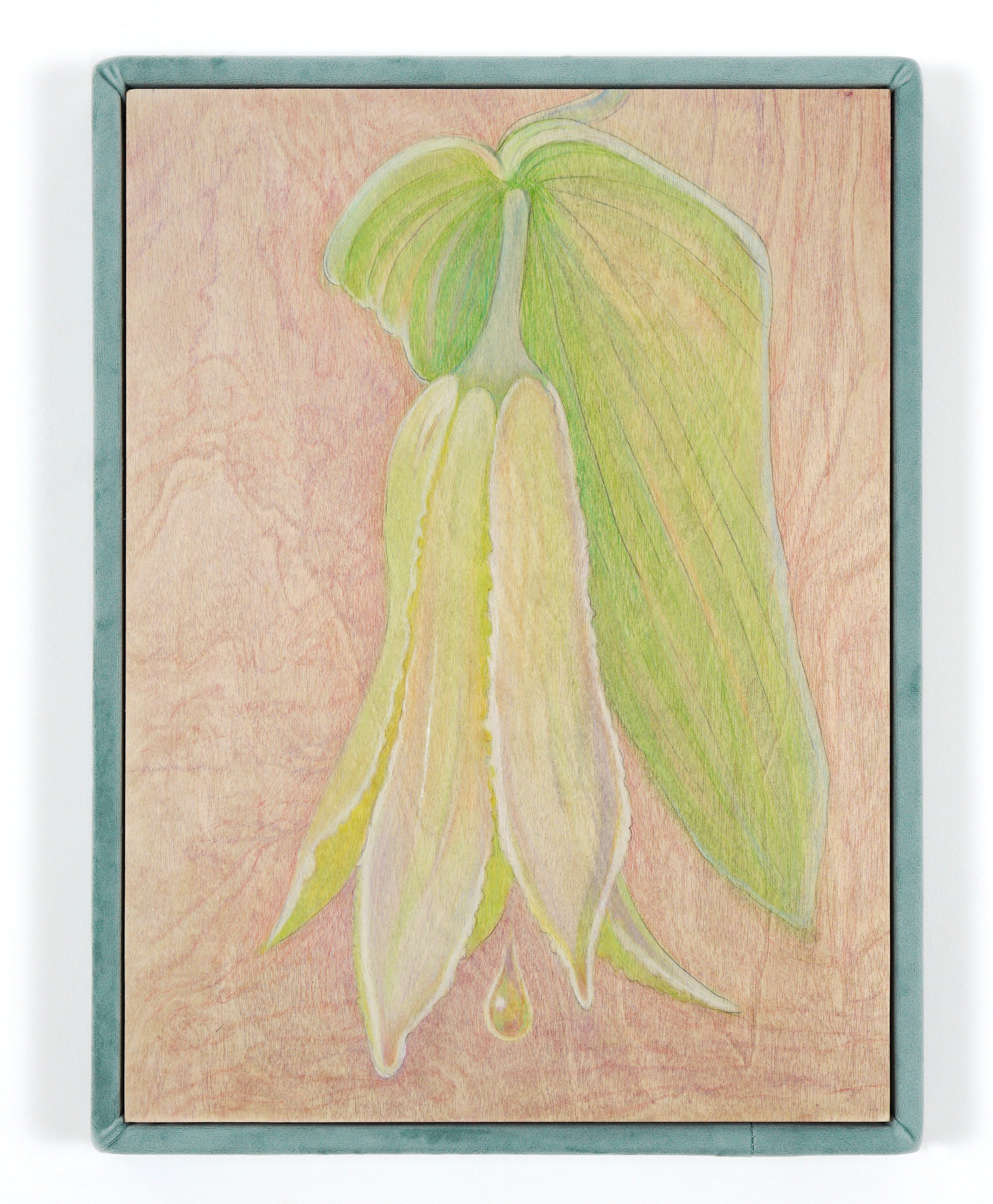
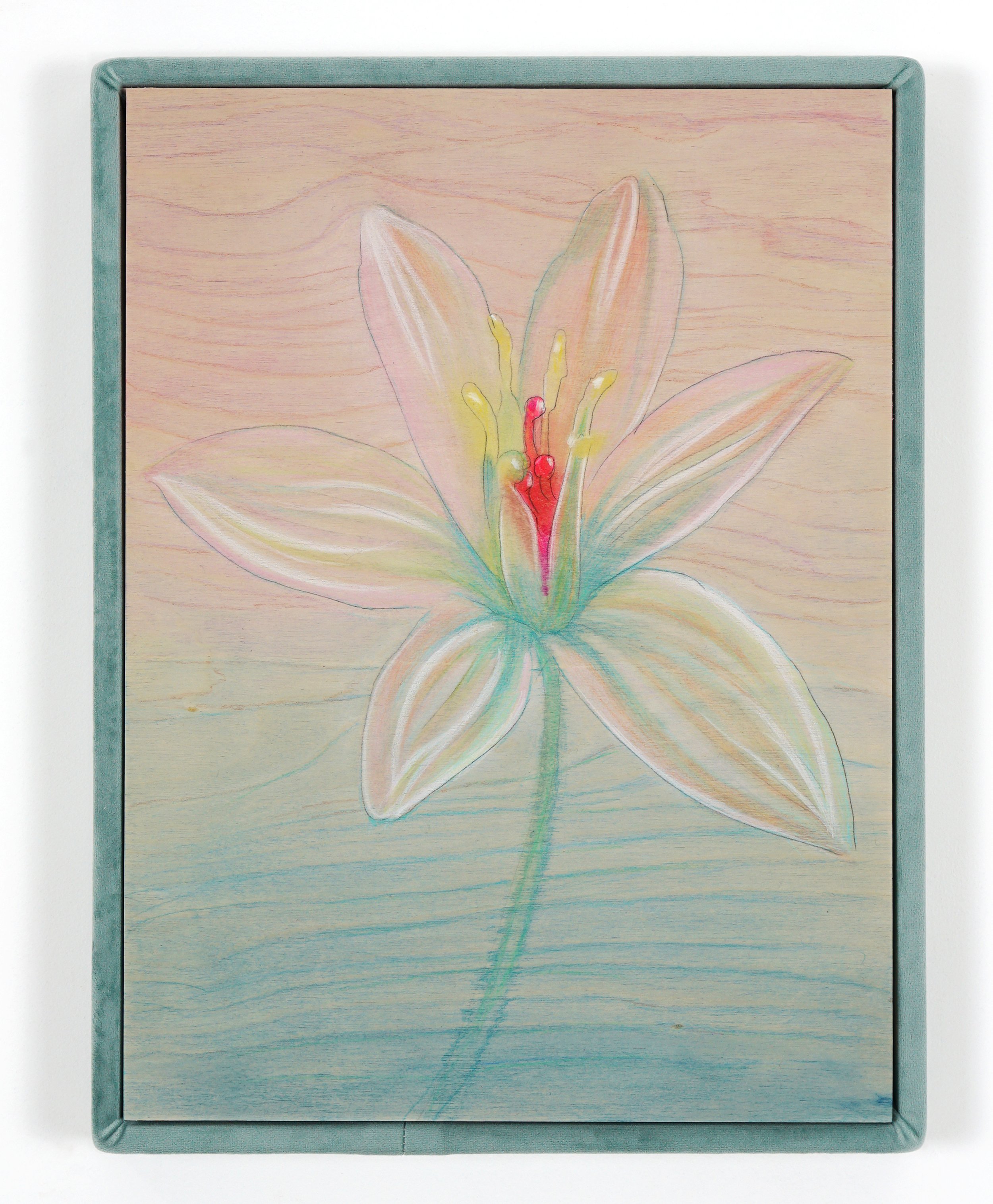
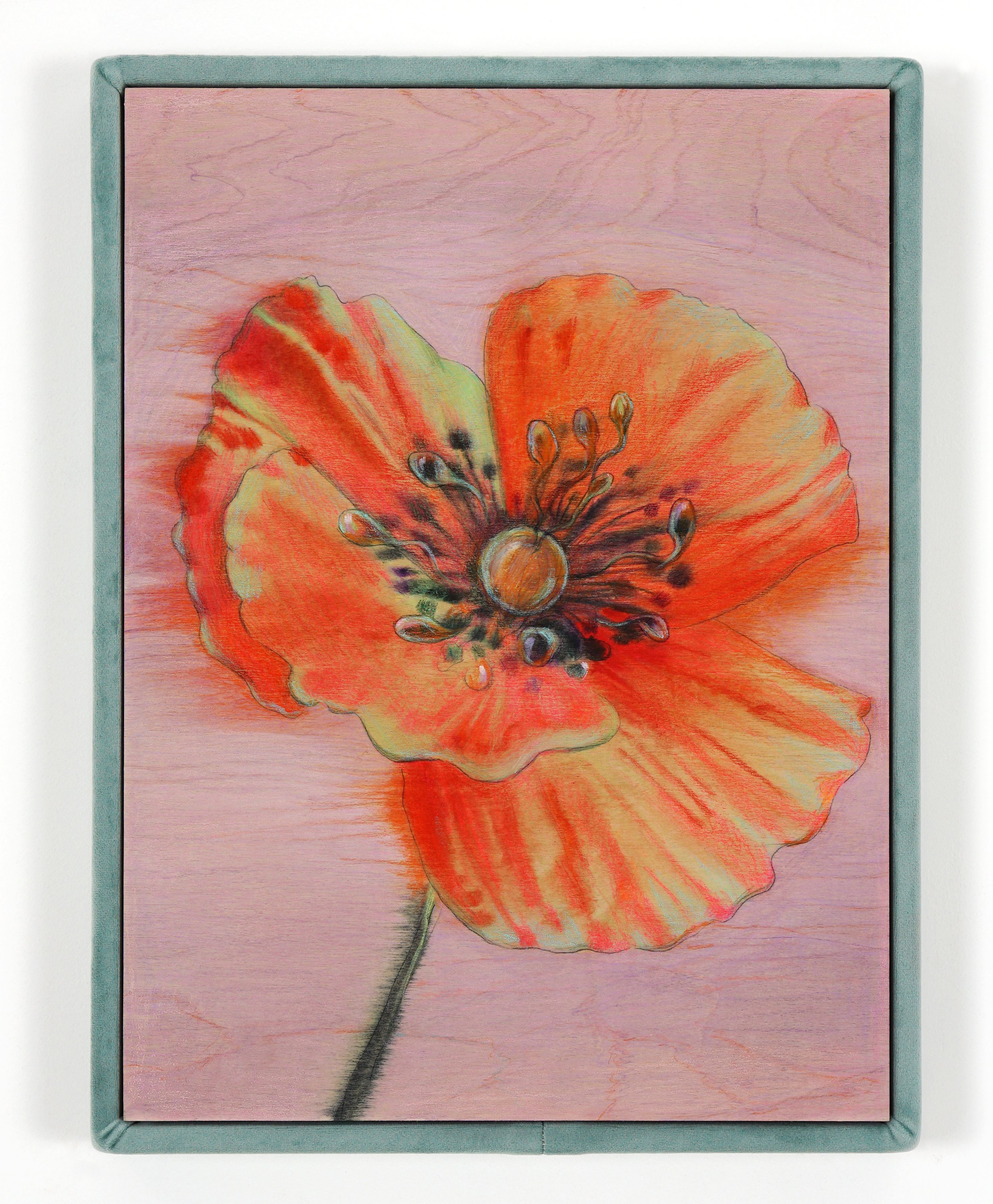
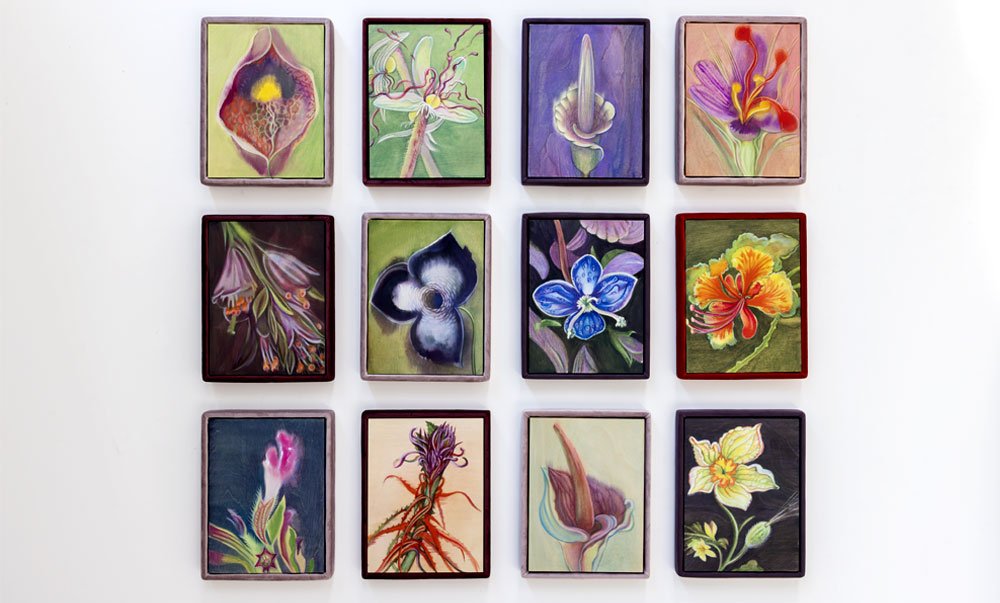
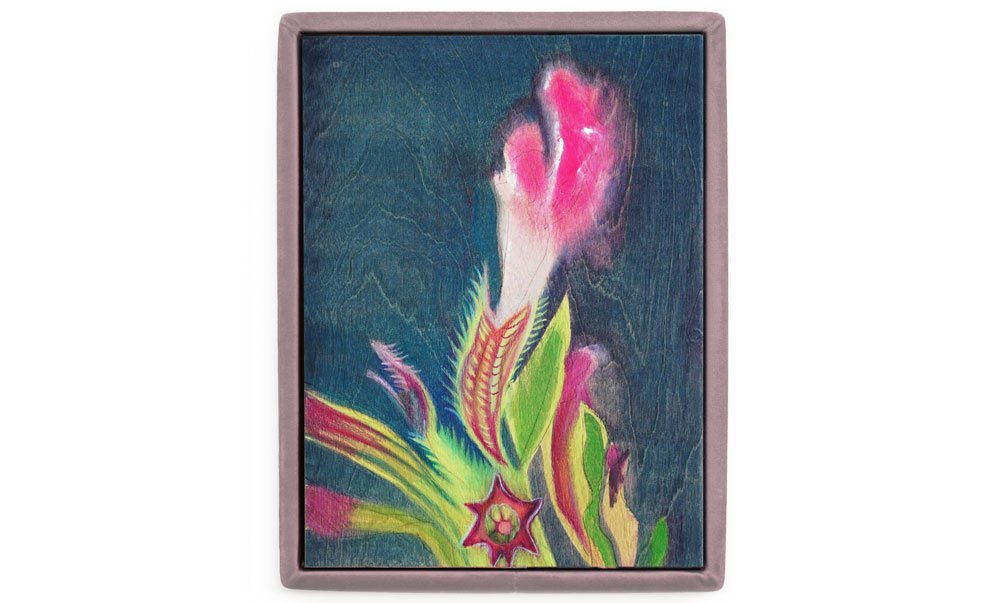
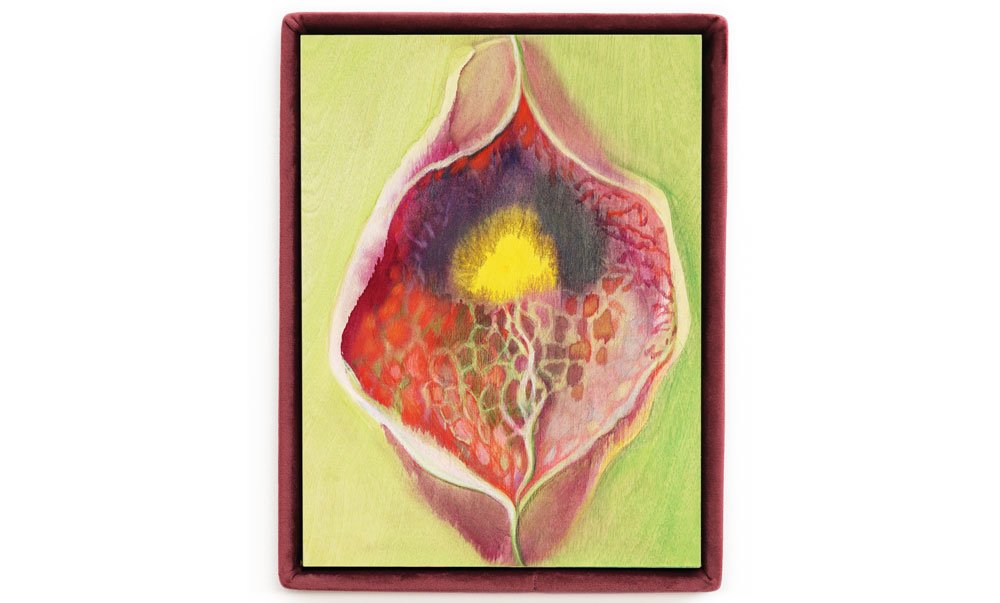
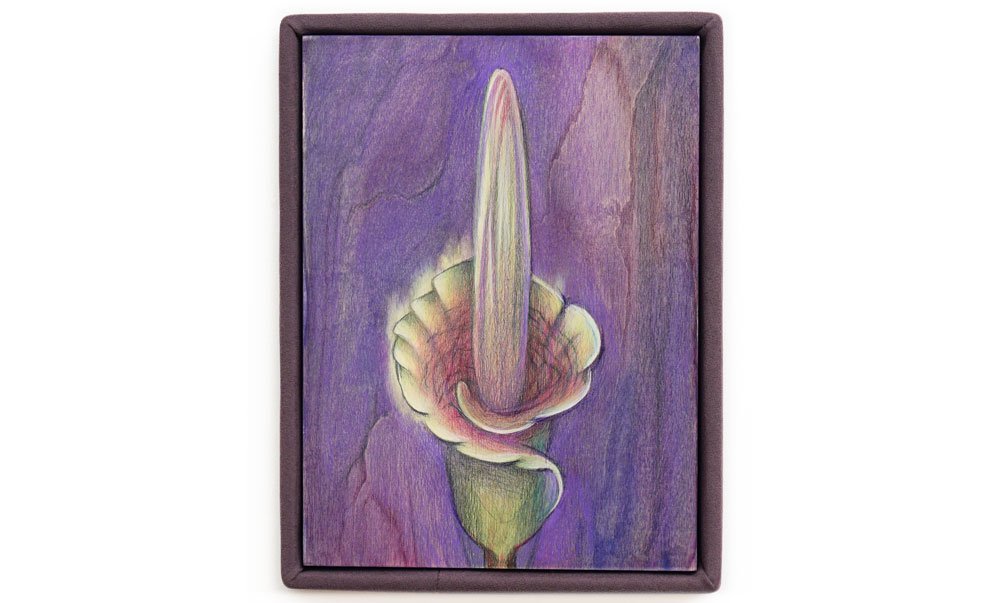
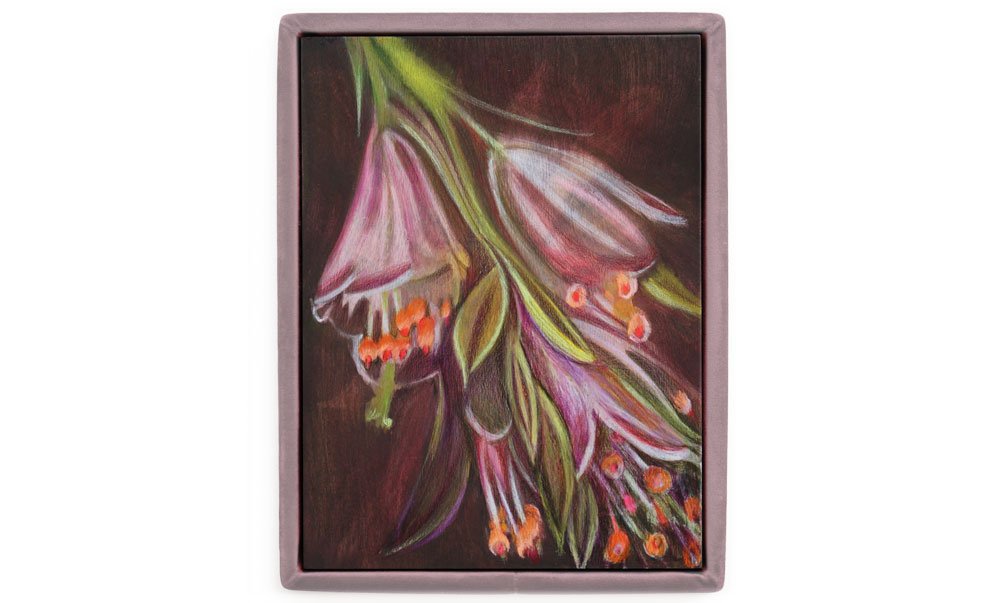
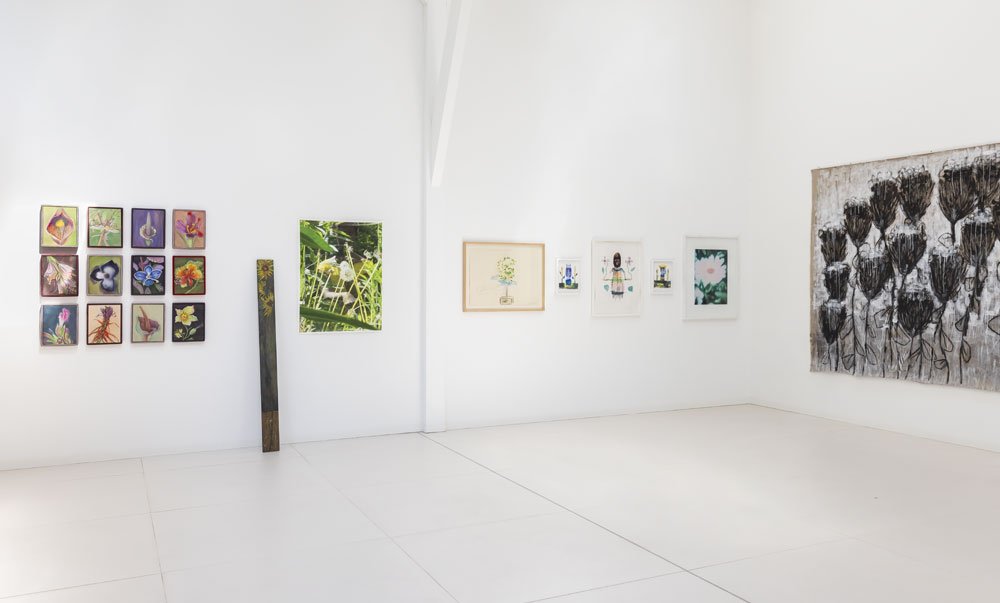
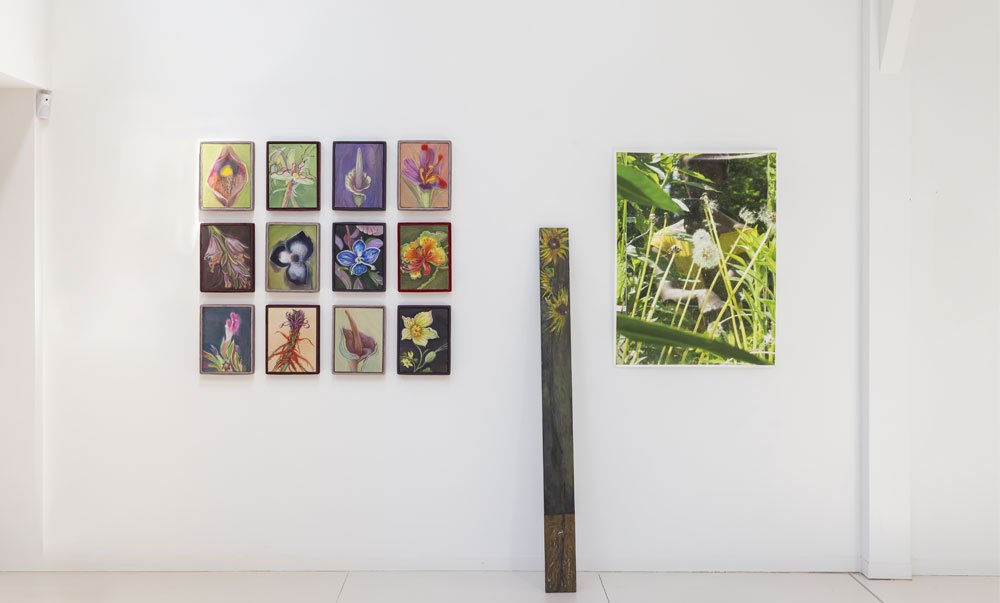
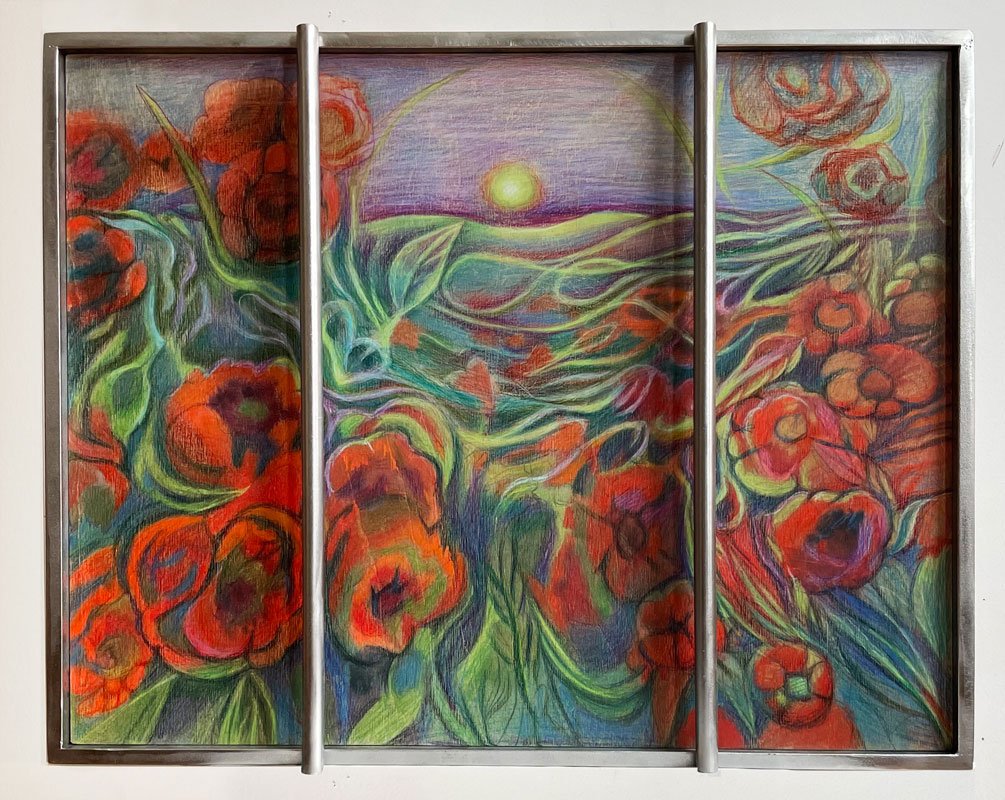
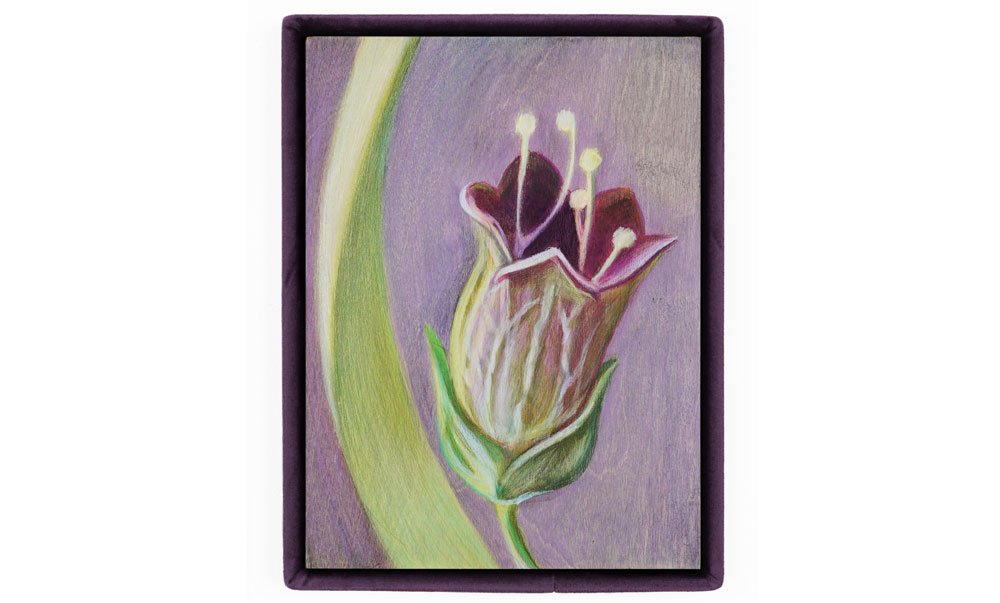
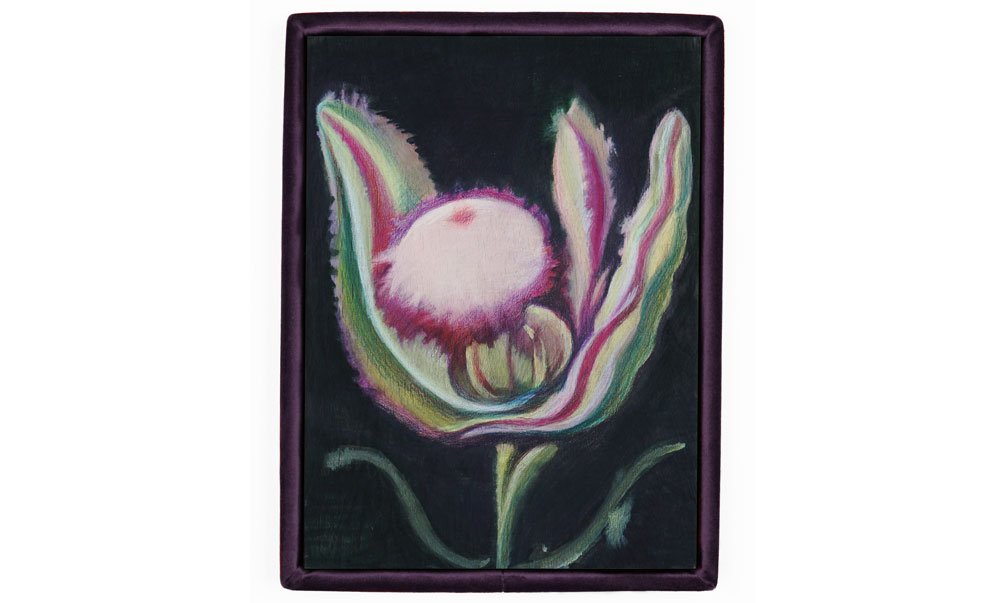
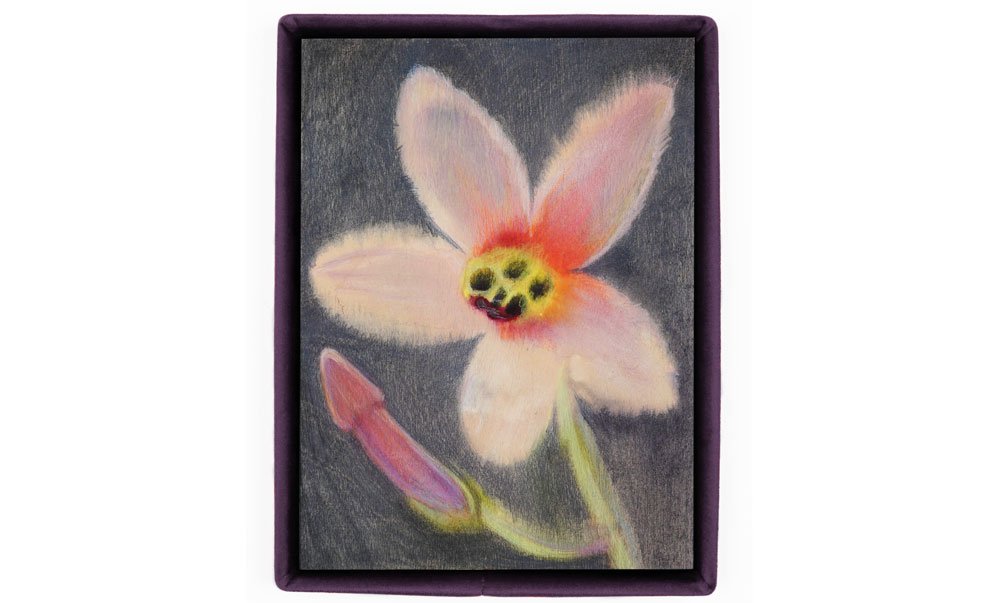
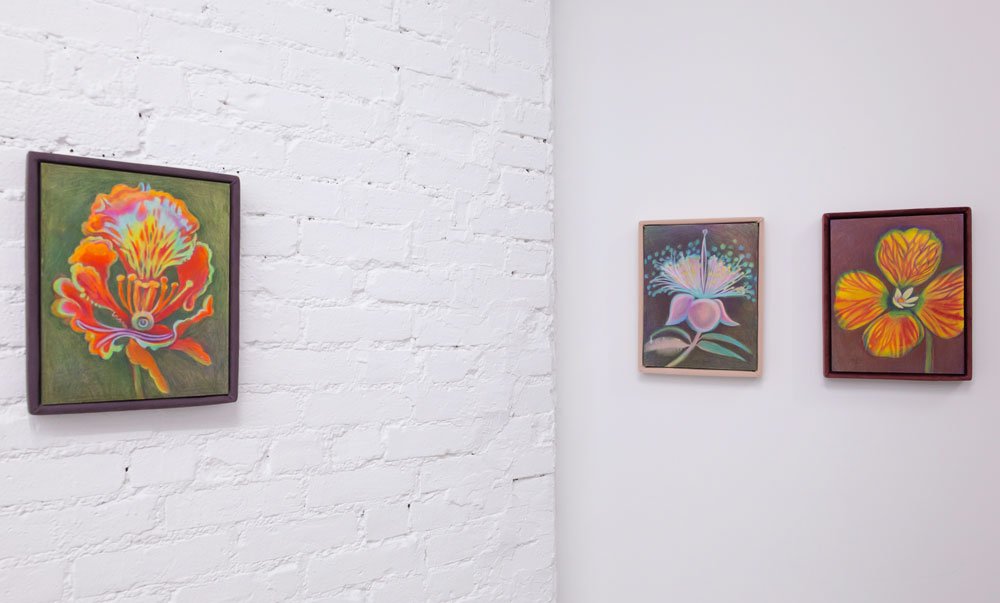
Alina Bliumis’ Fertility series, opening at Hofudstodin in Reykjavík, Iceland on August 20th, forms the second chapter to Bliumis’ Plant Parenthood paintings, which premiered in a solo exhibition held at SITUATIONS, NYC (2023), and were subsequently included in a group exhibition titled Supra Nature at Galerie Anne de Villepoix, Paris.

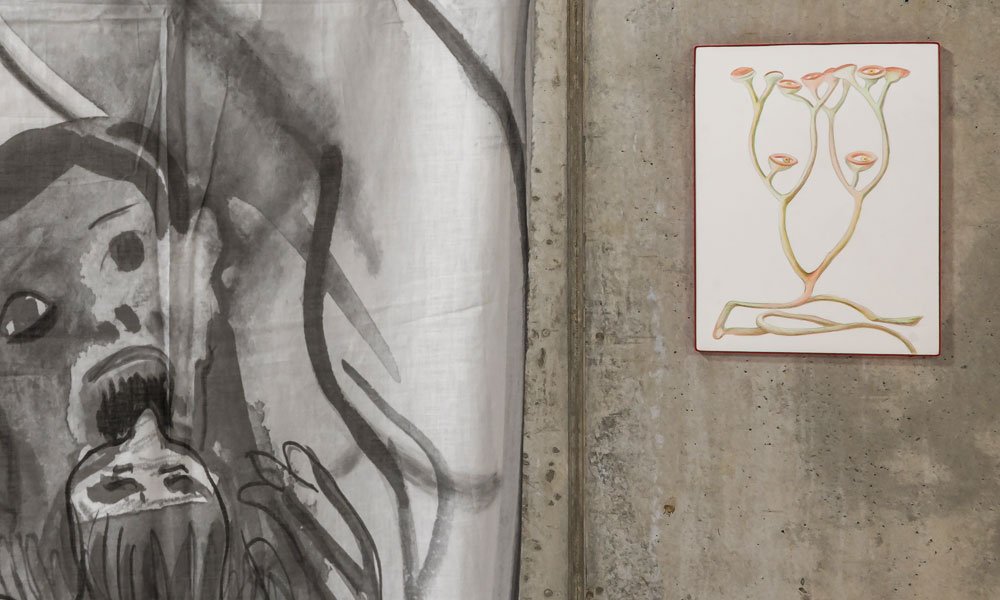
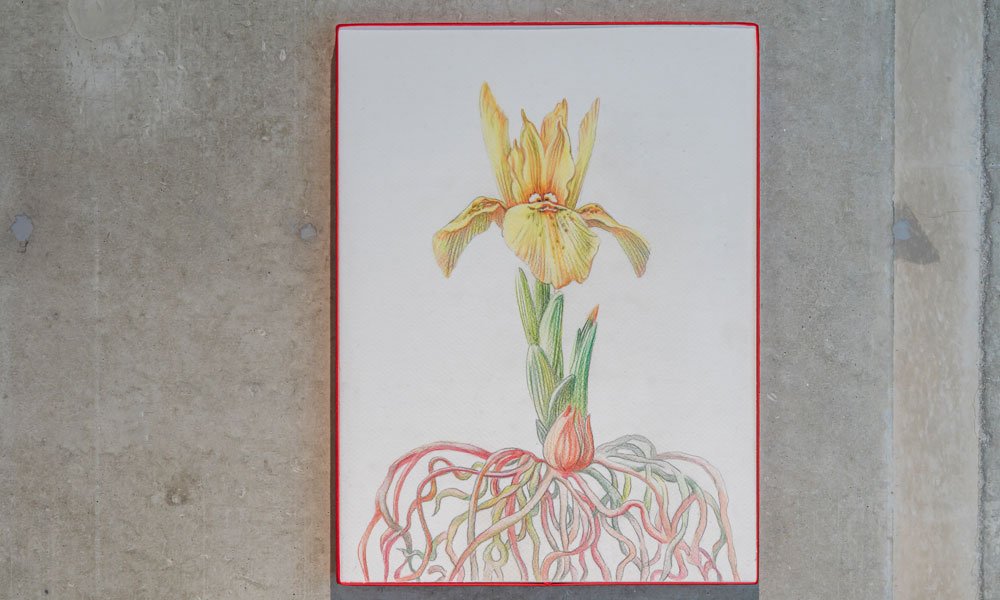
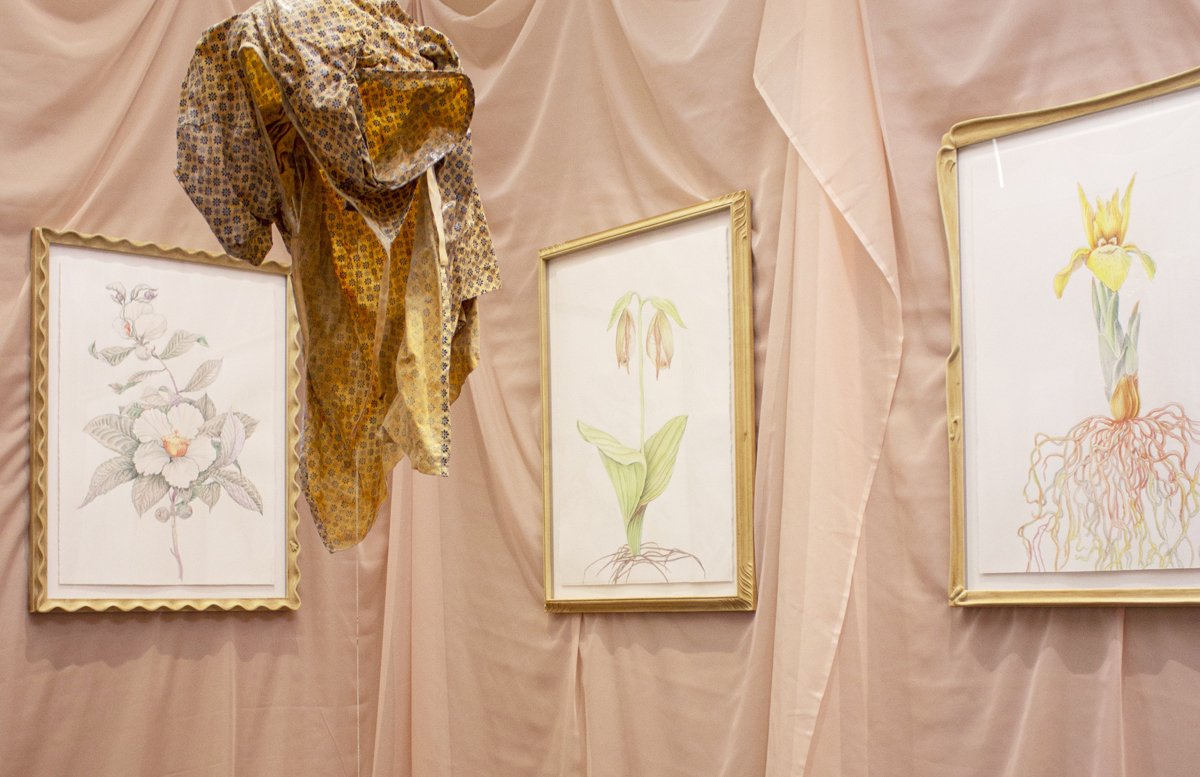
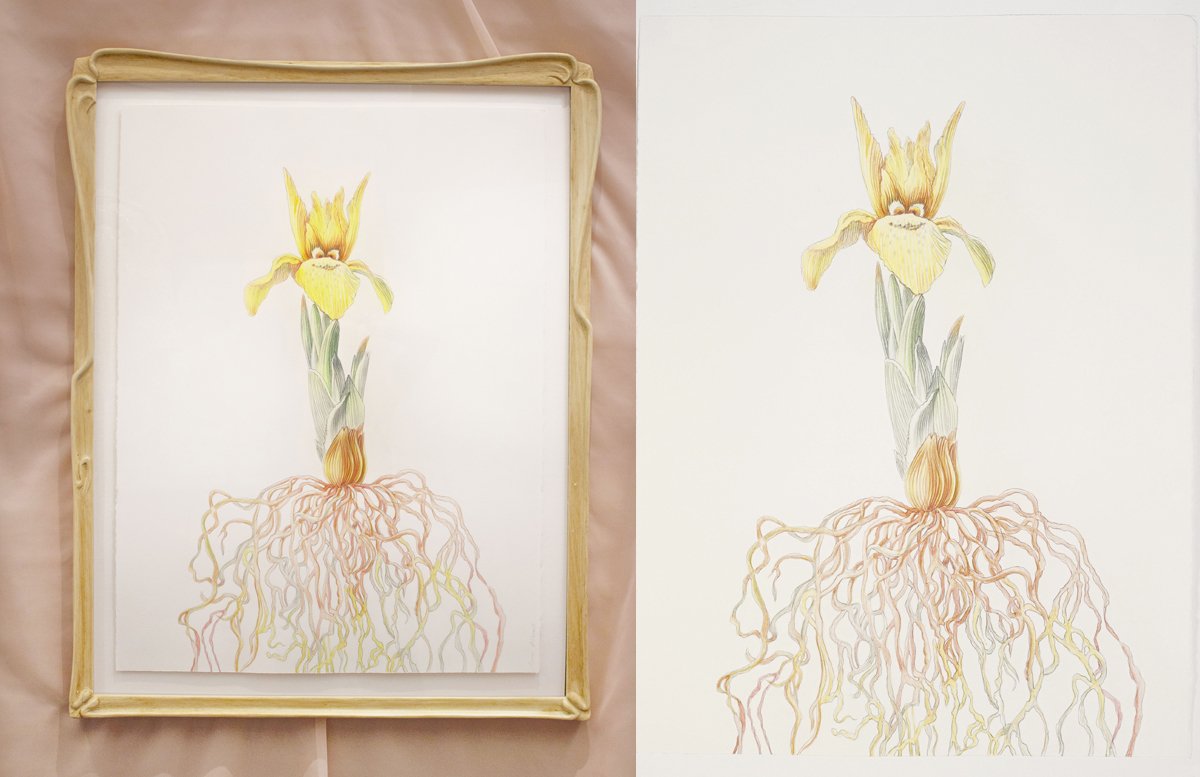
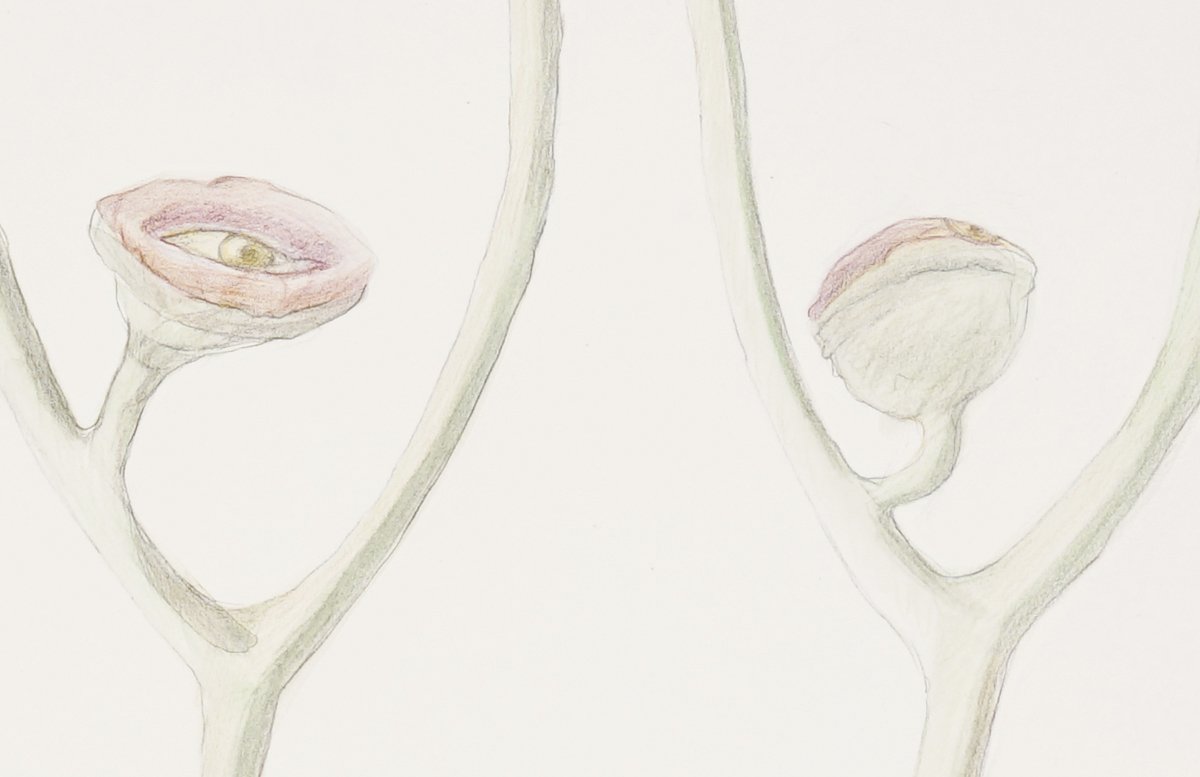
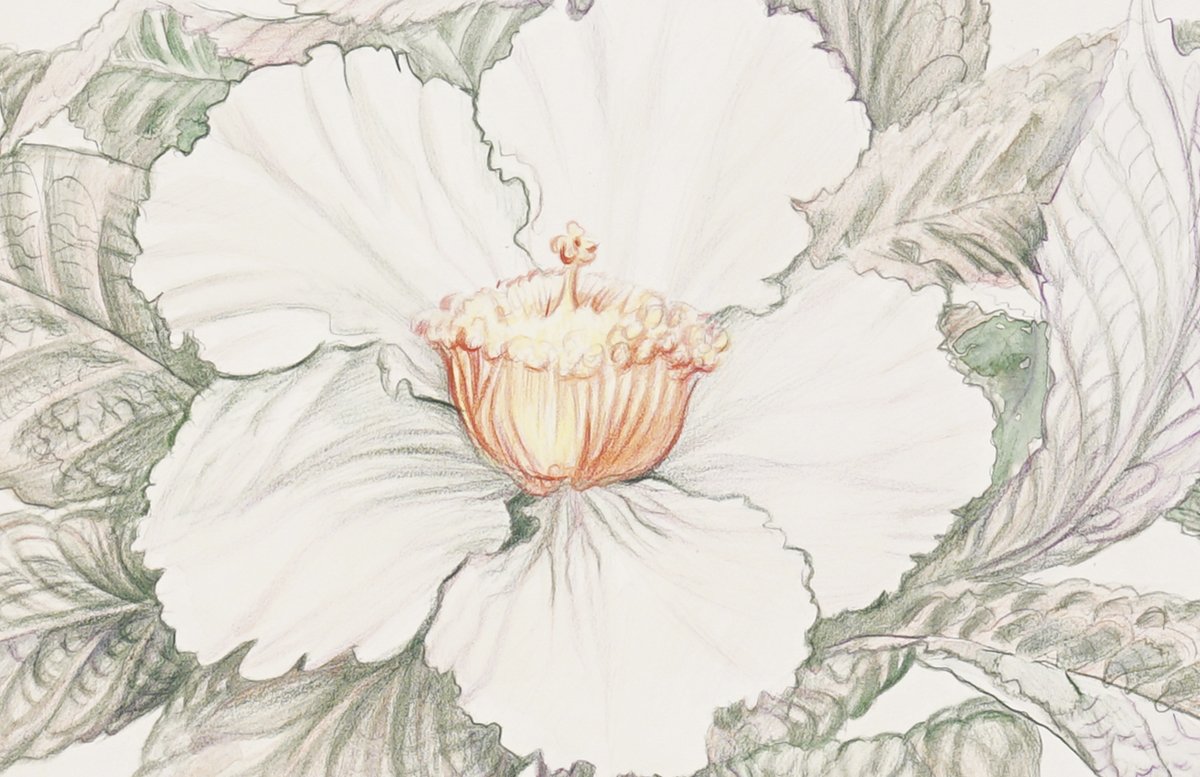
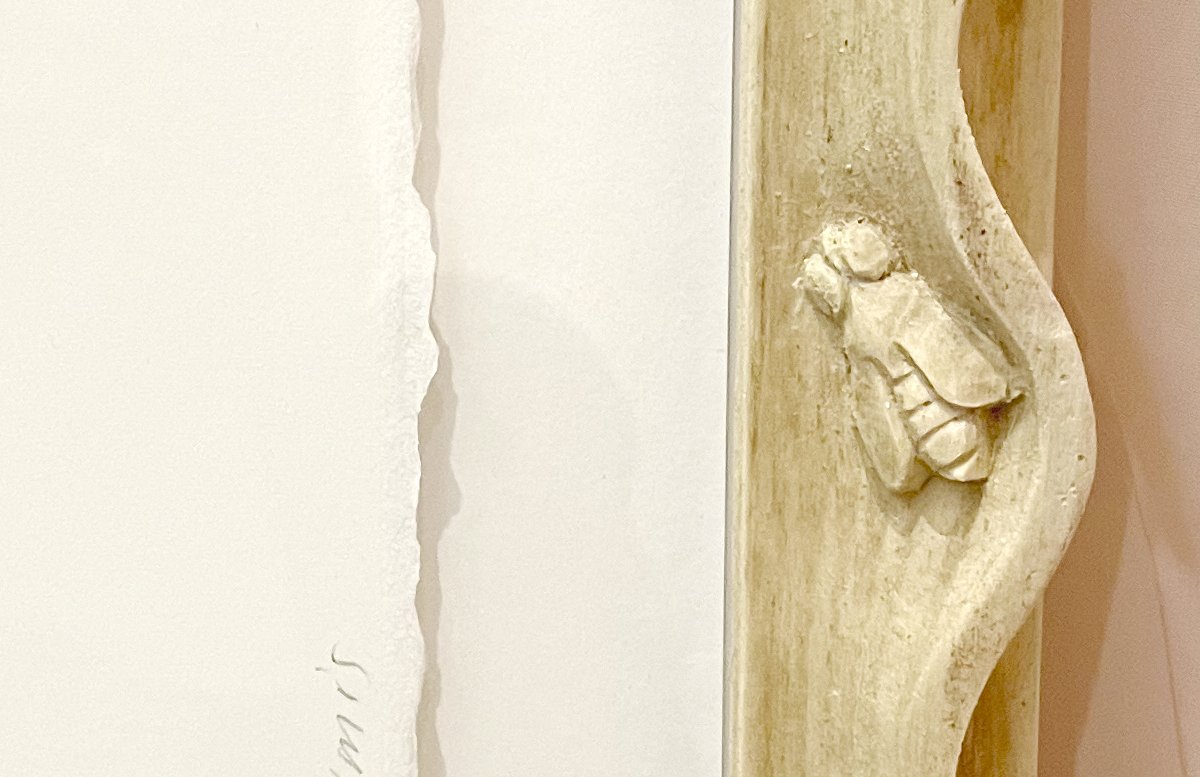
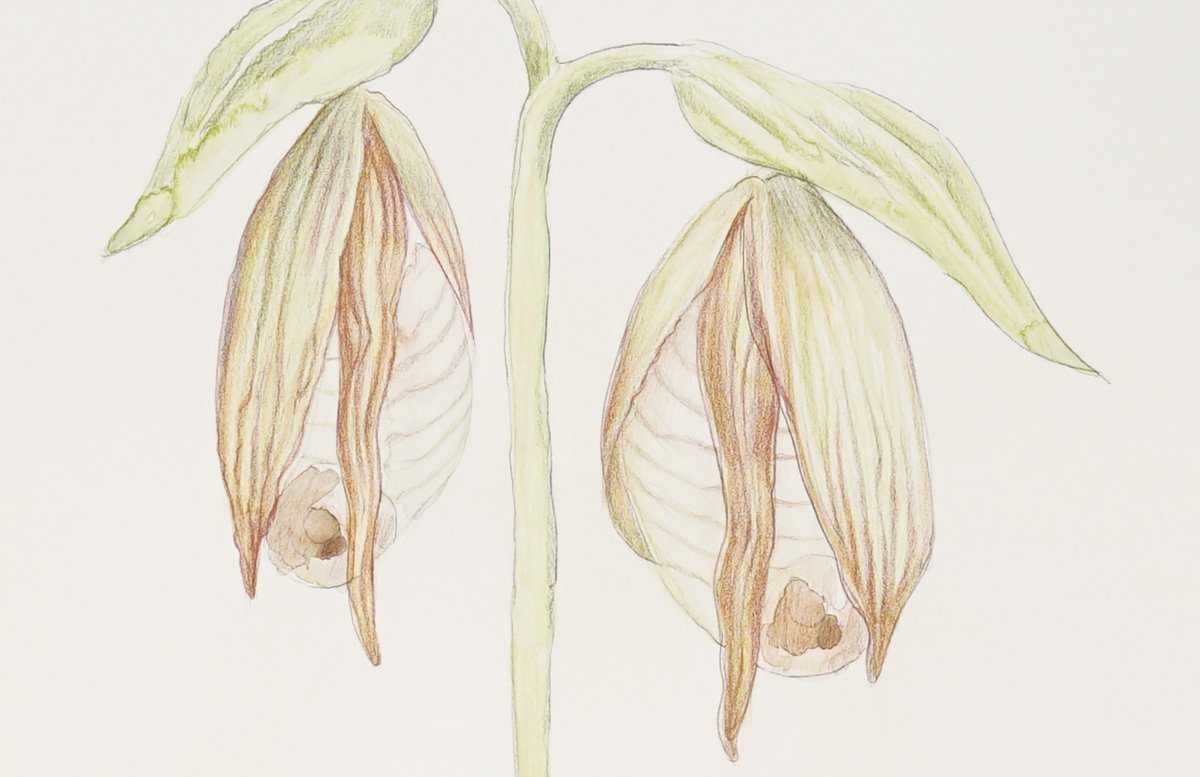
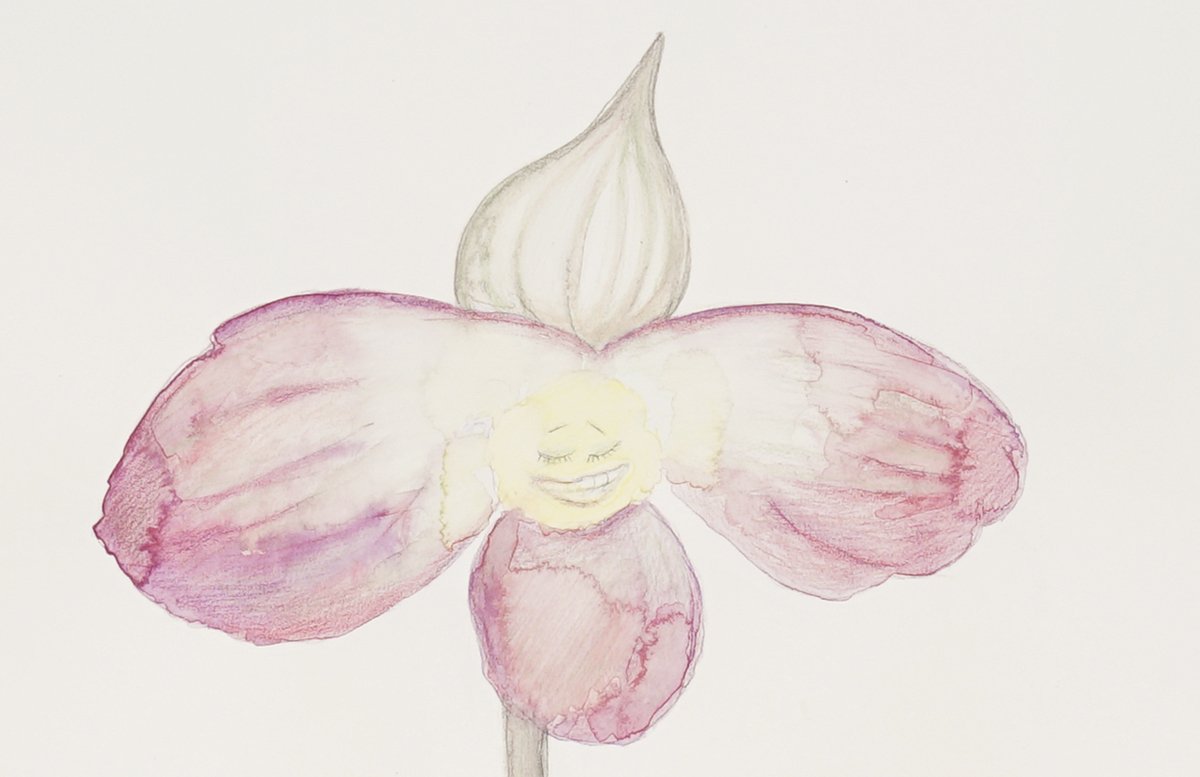
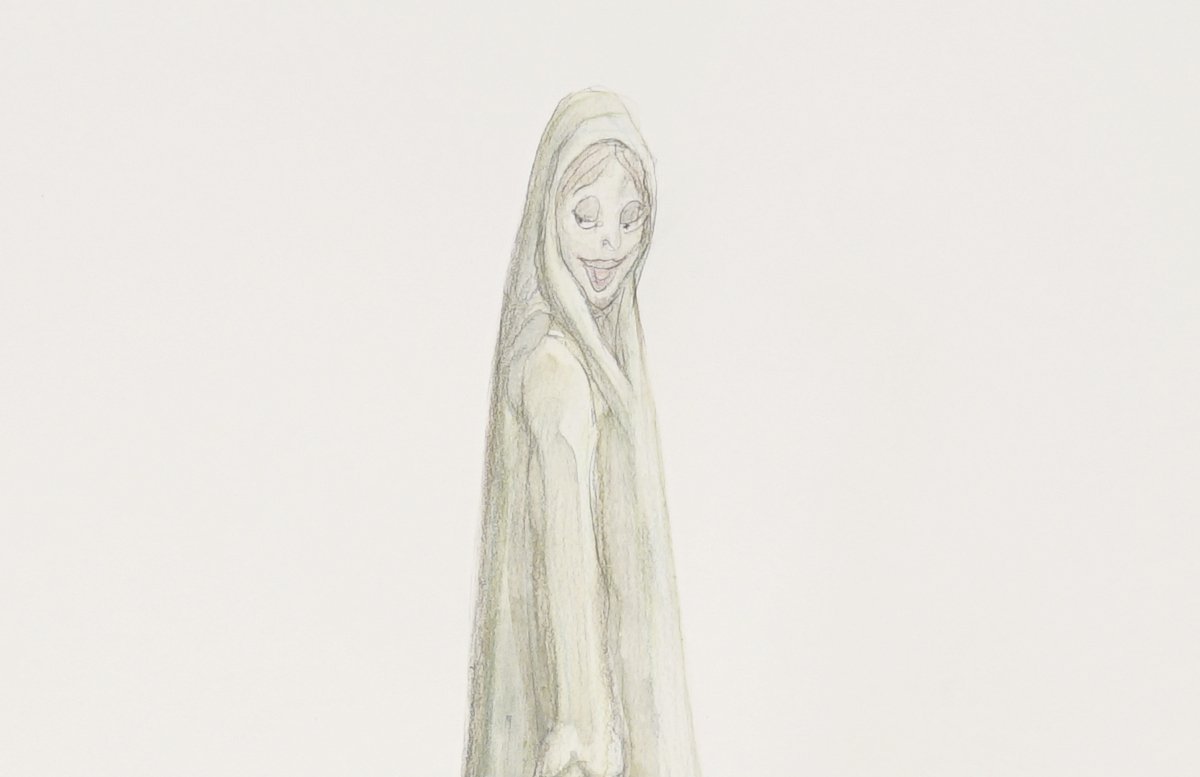
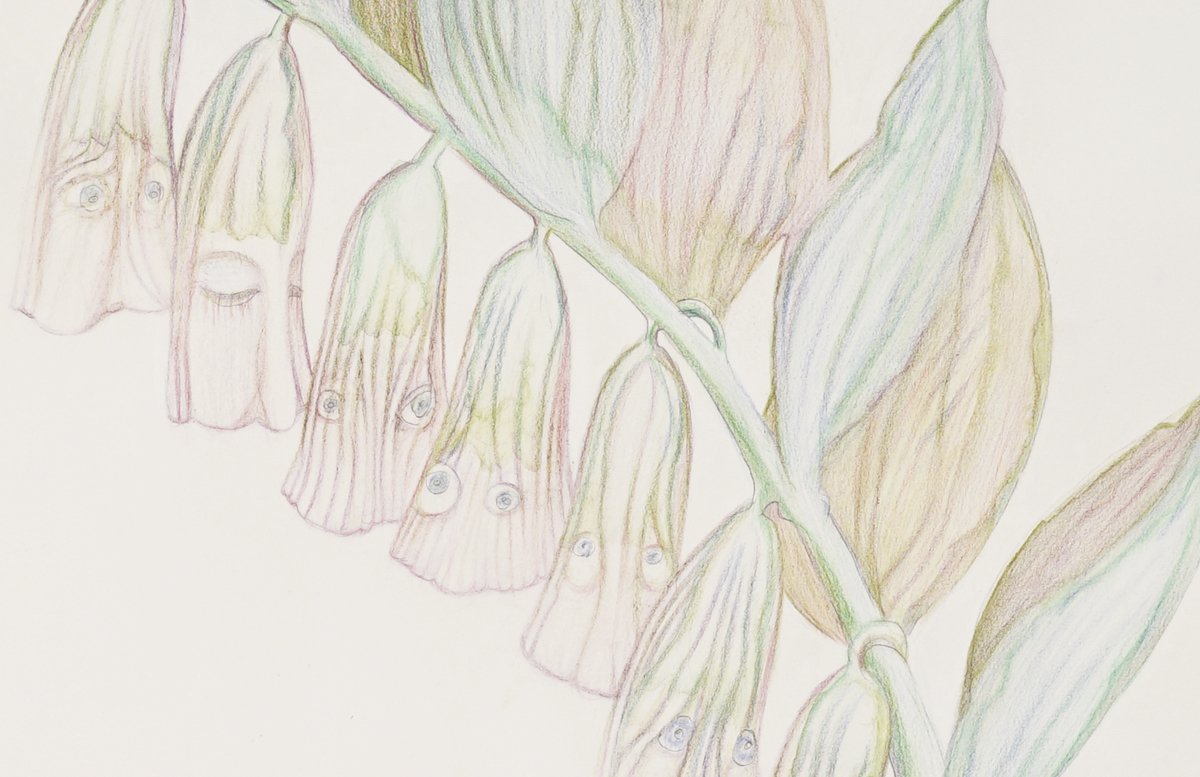
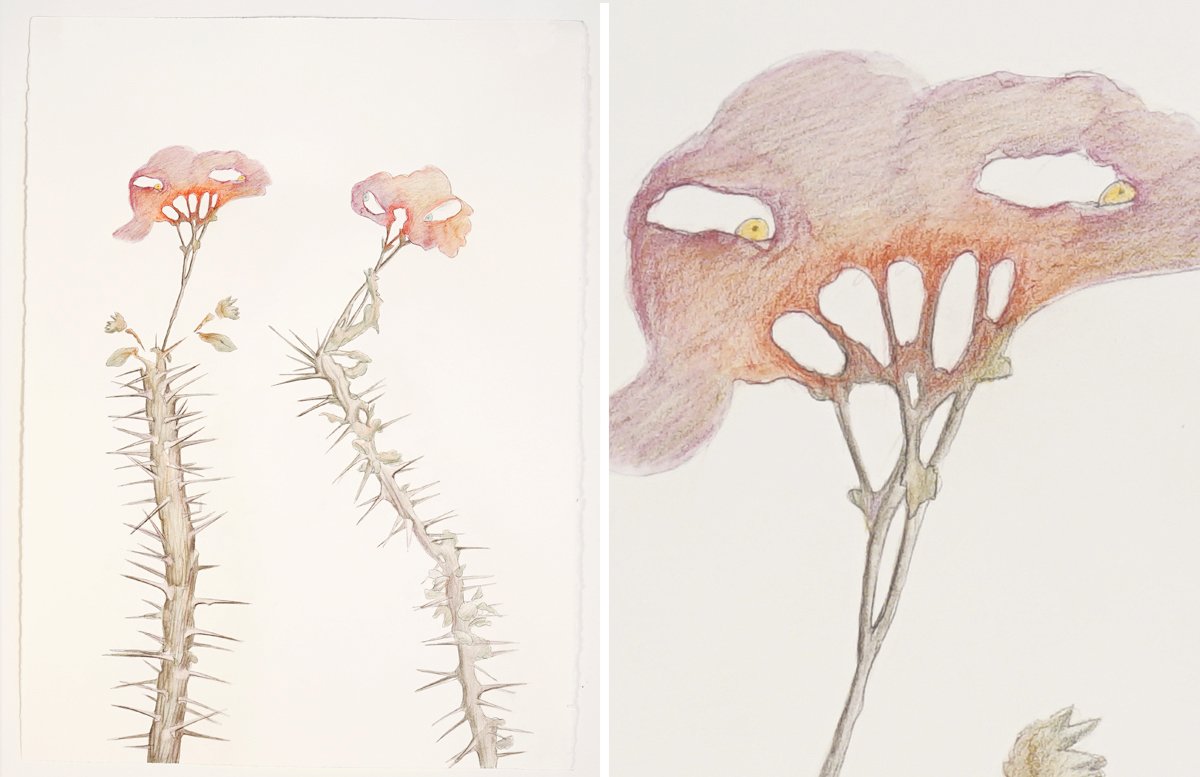
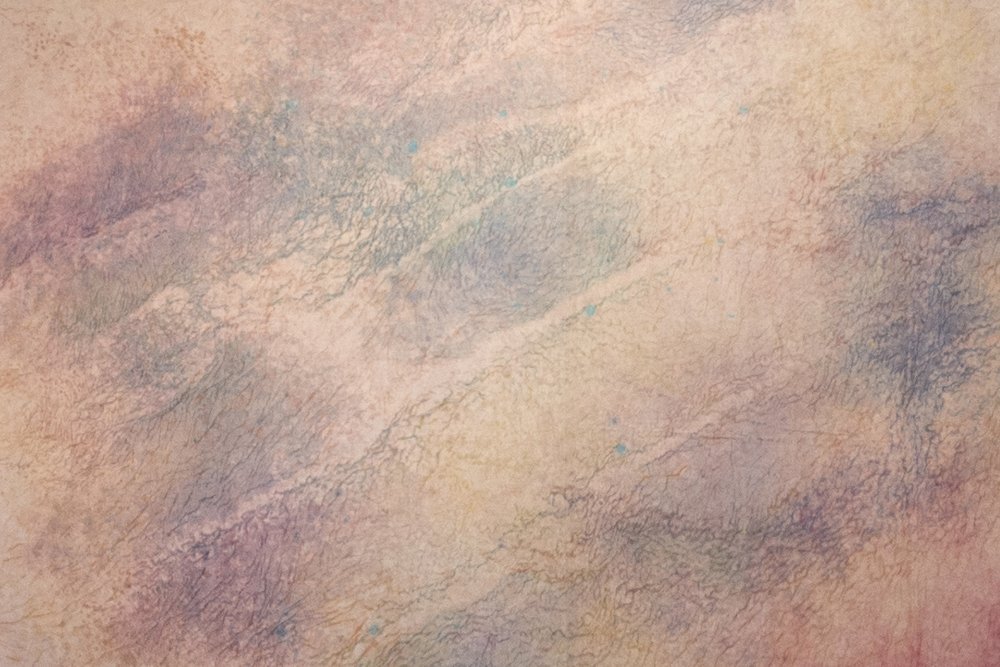
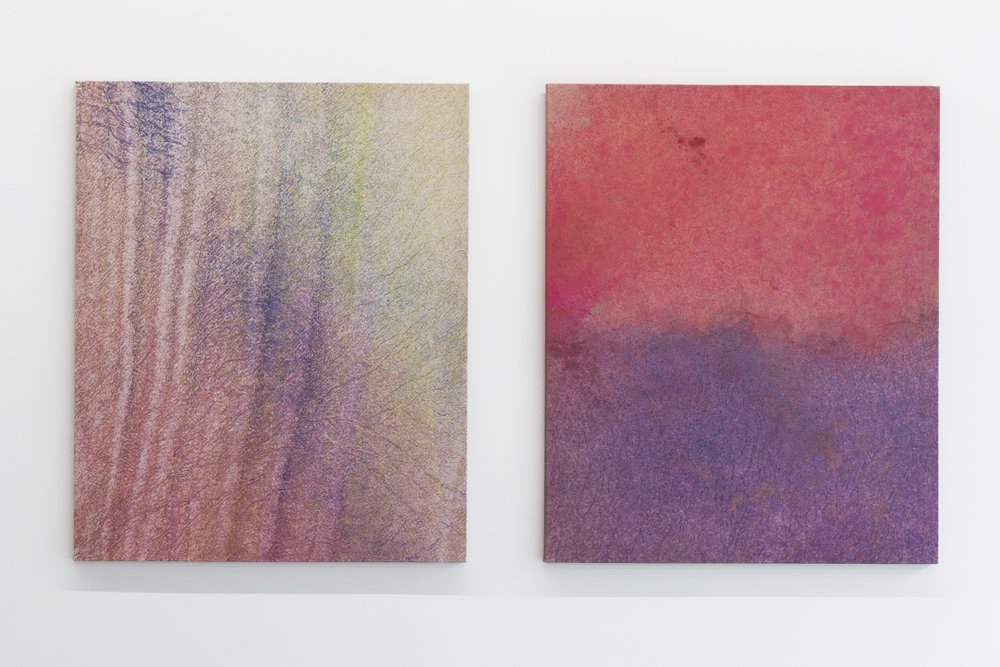
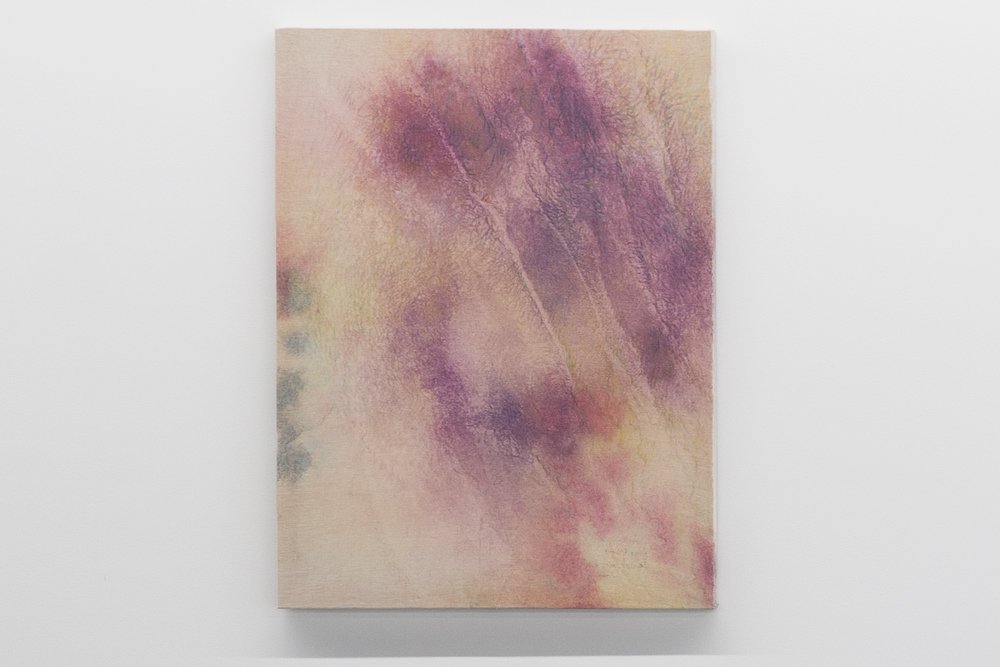
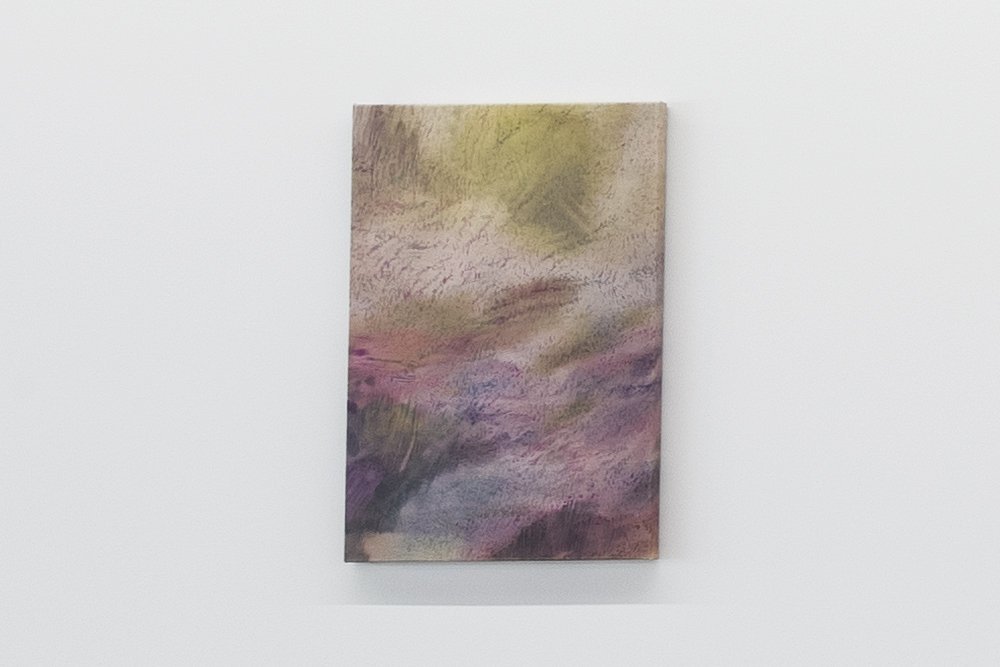
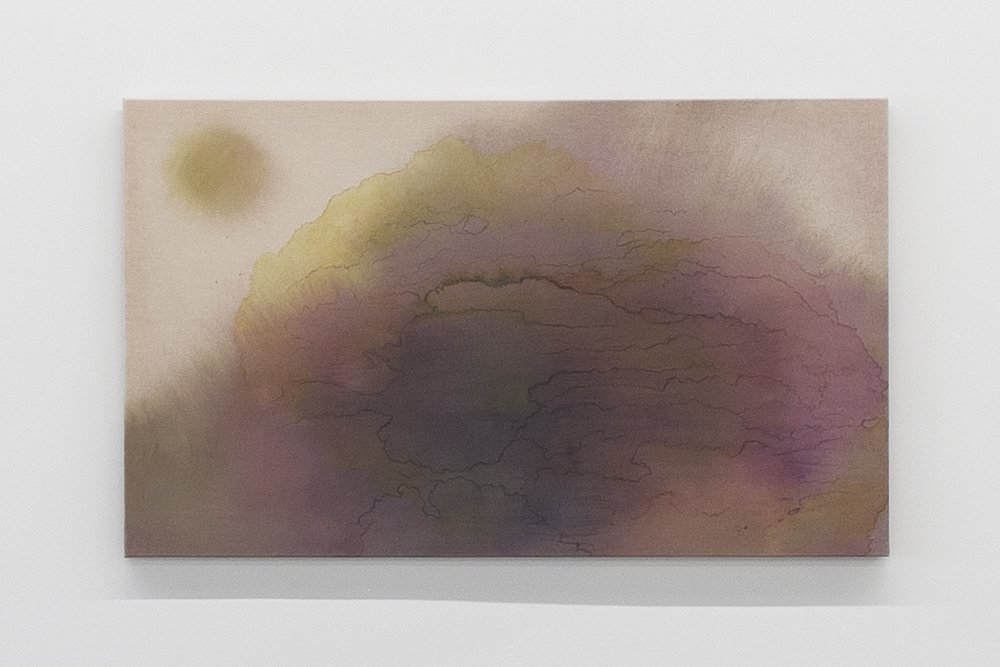
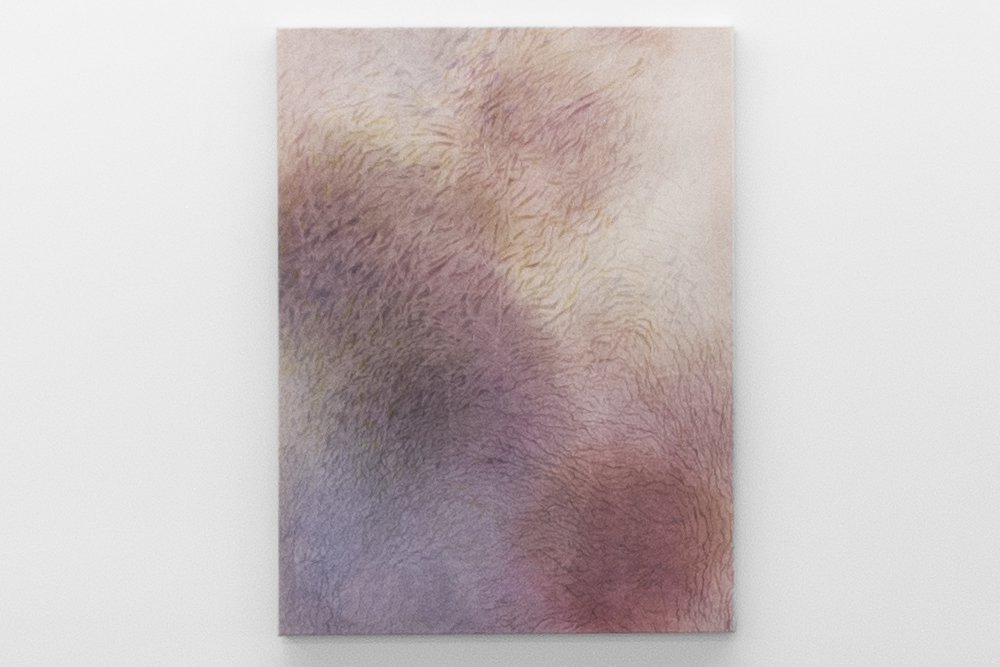
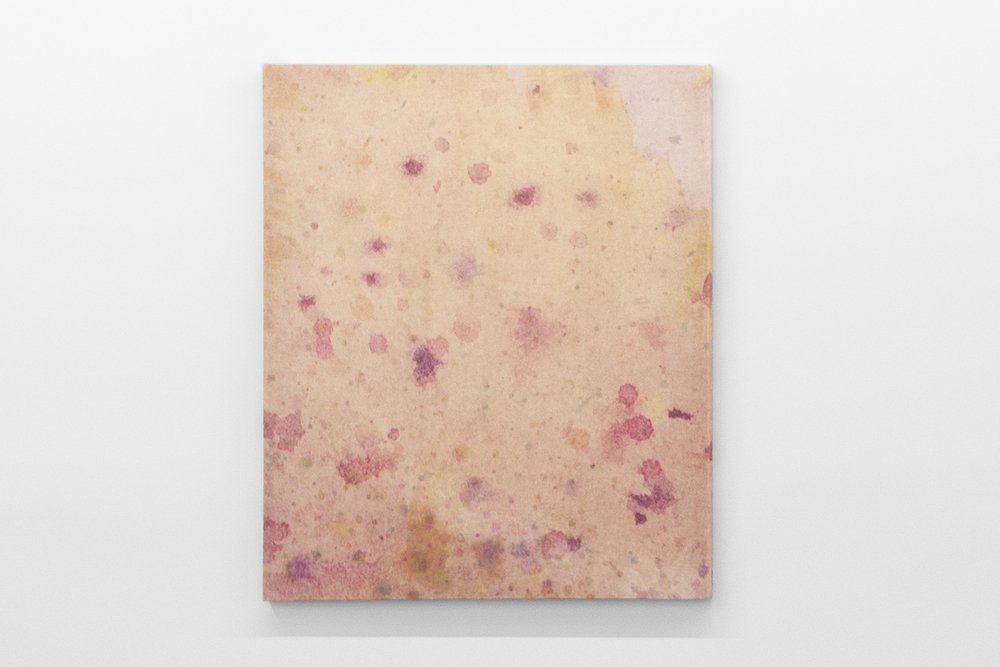
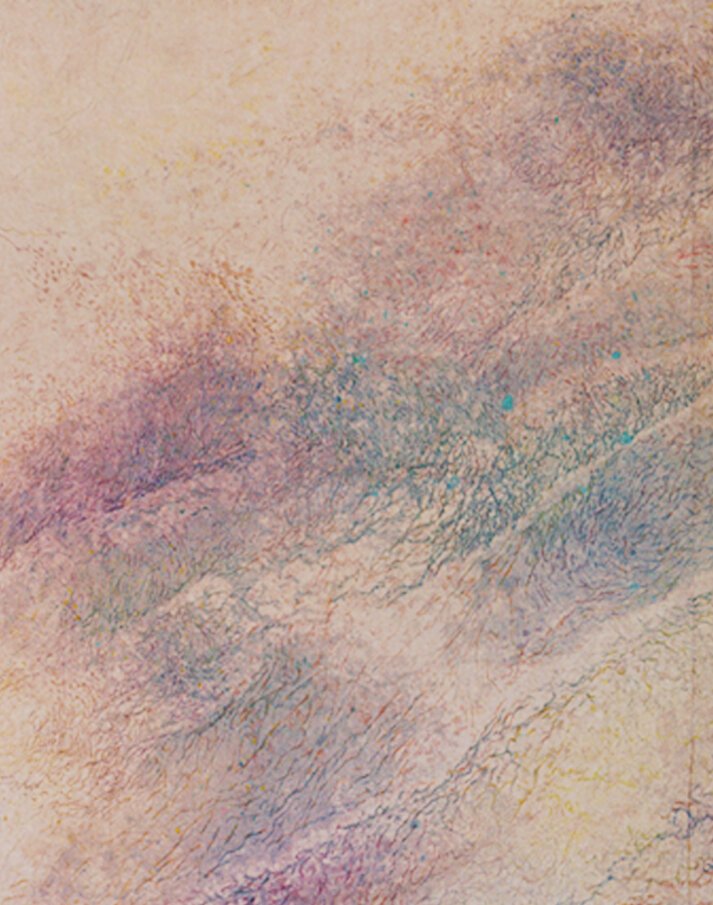
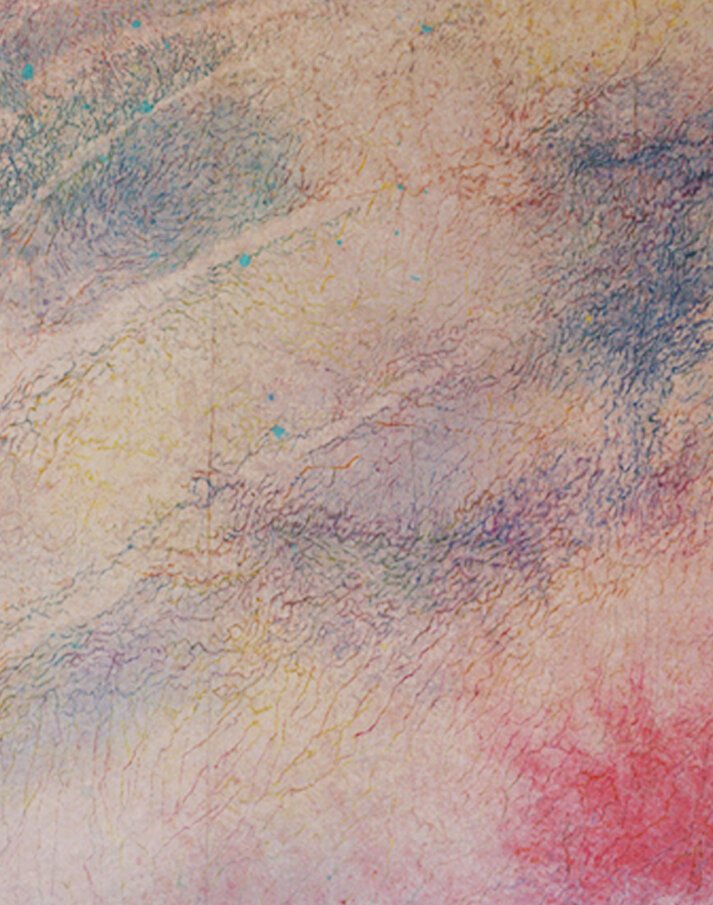
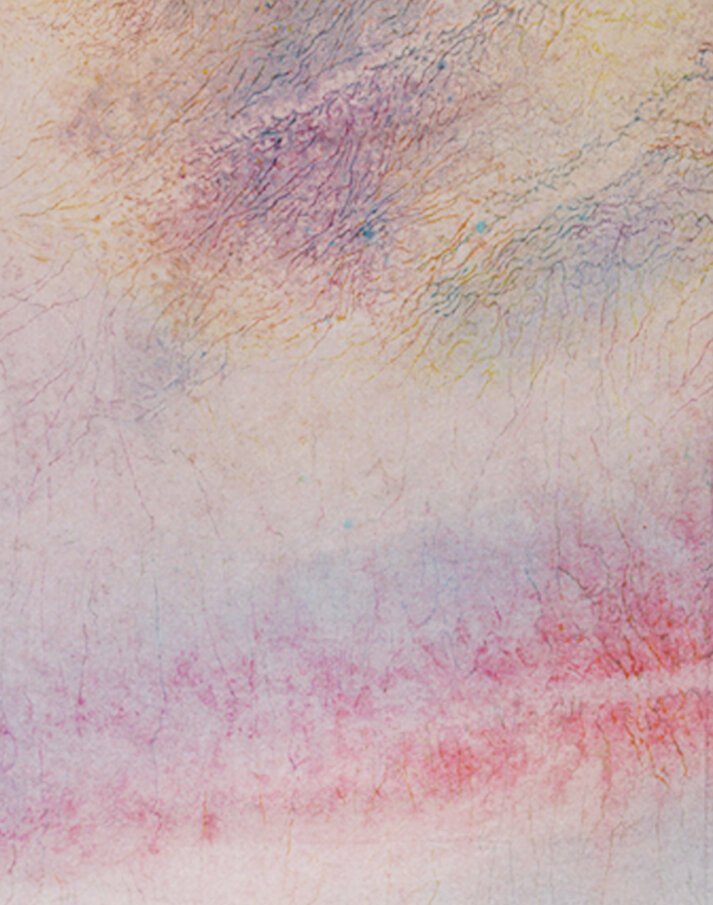
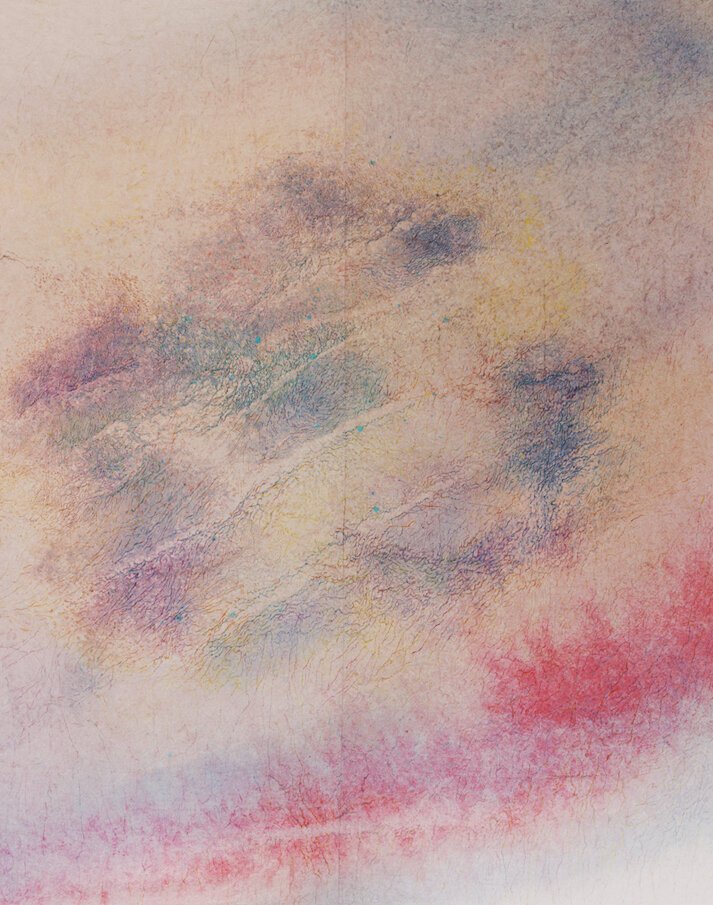
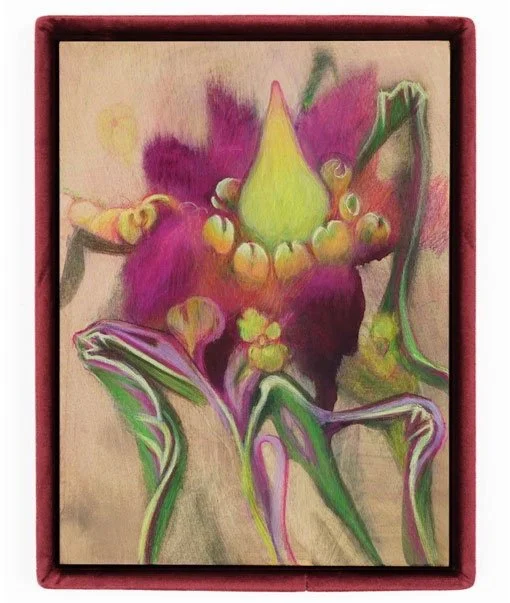
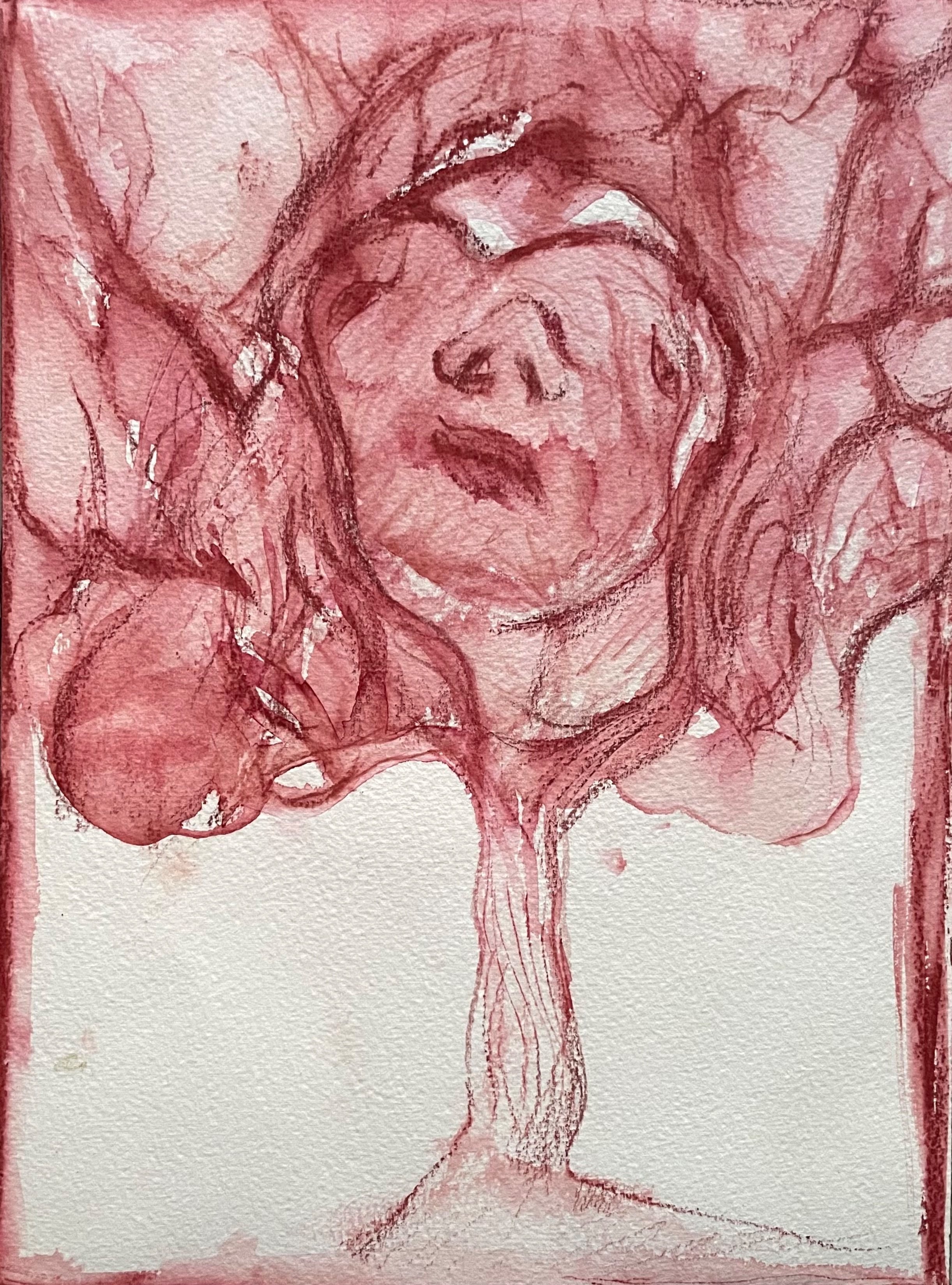
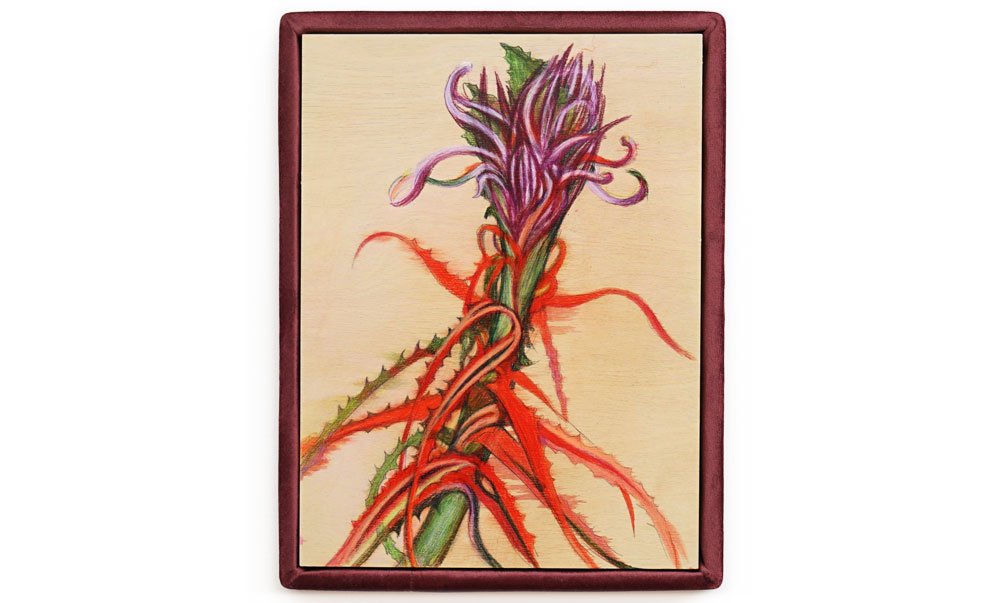
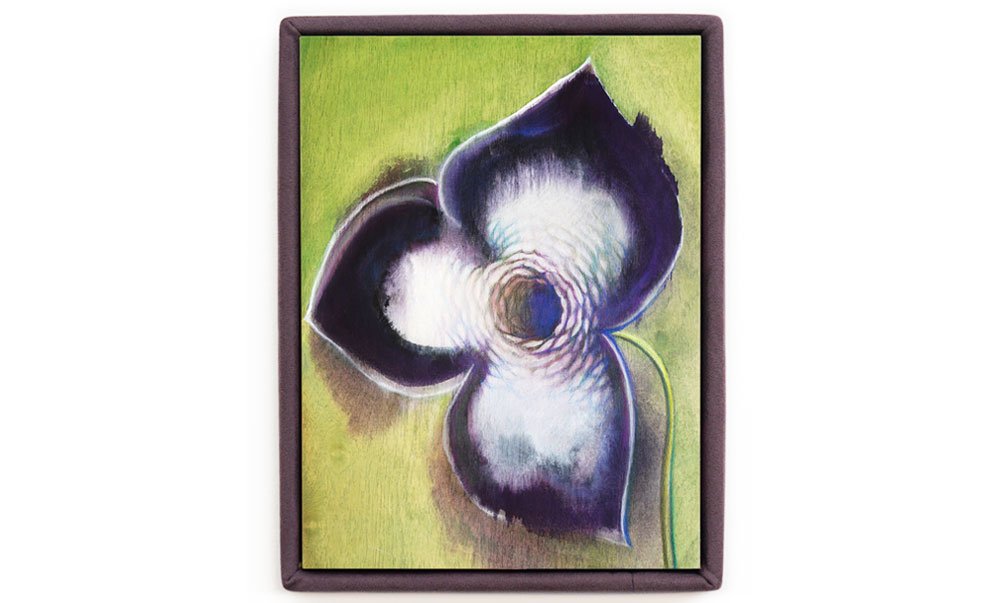
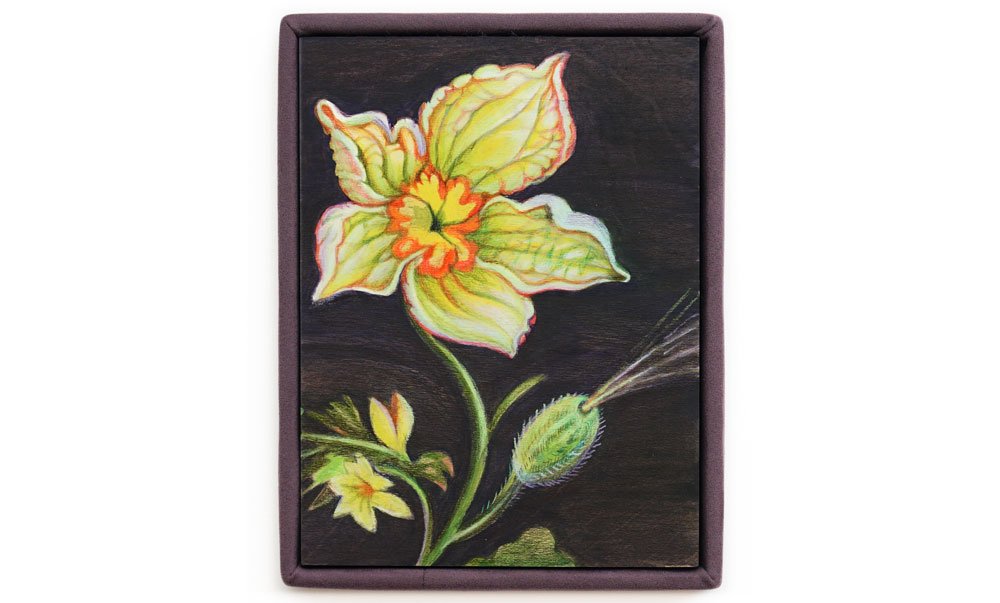
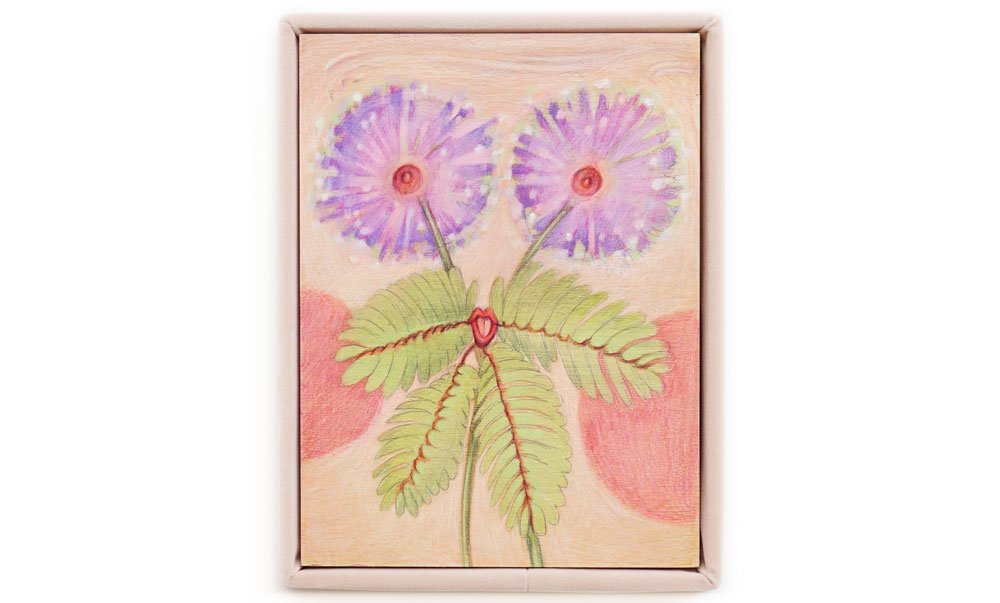
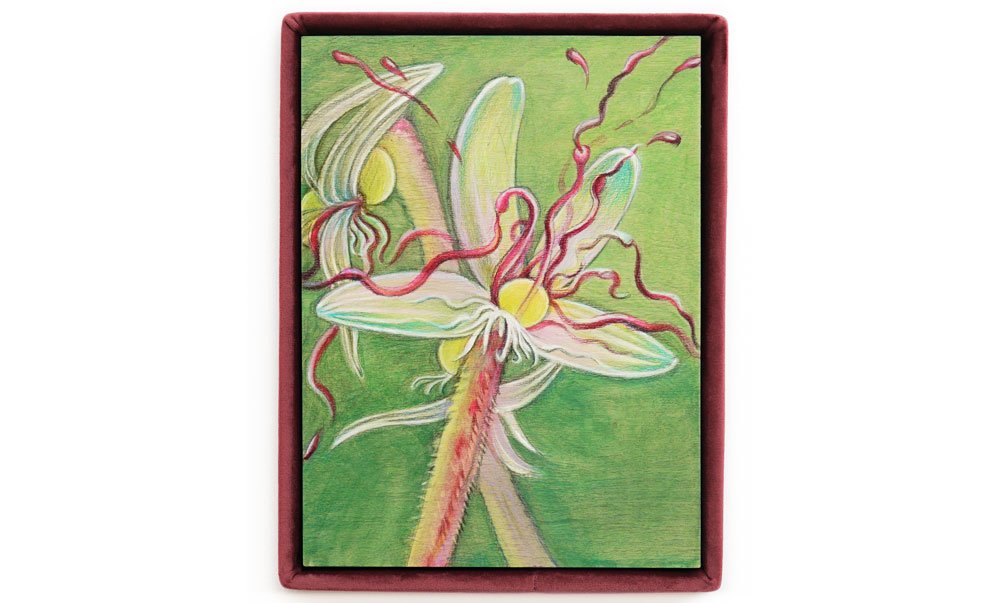
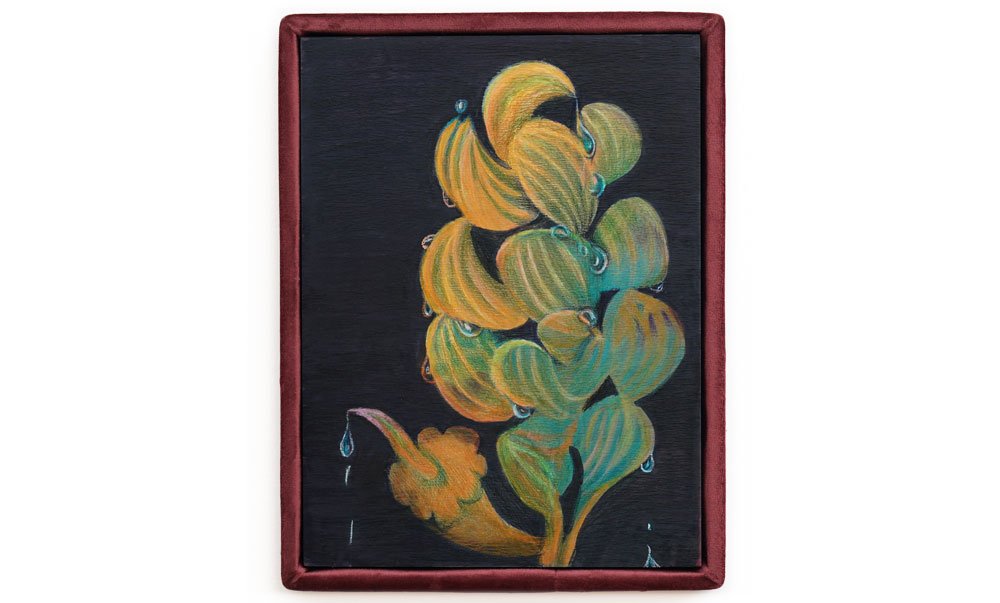
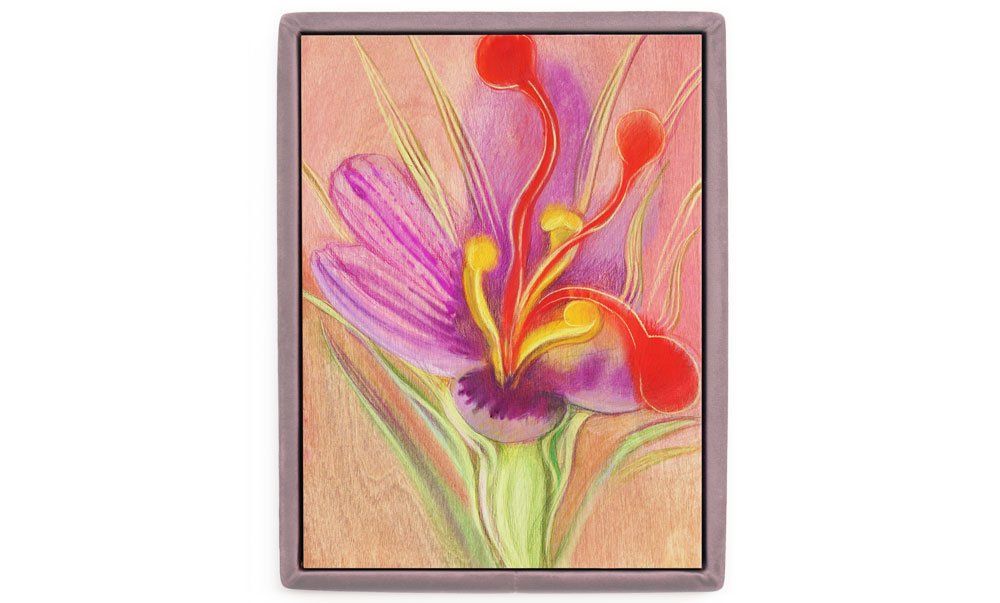
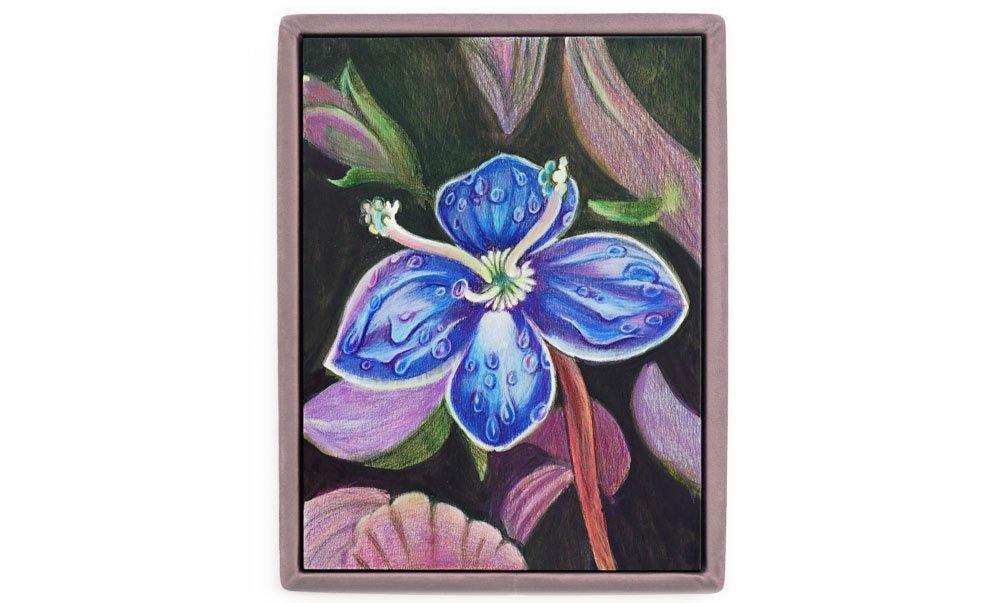
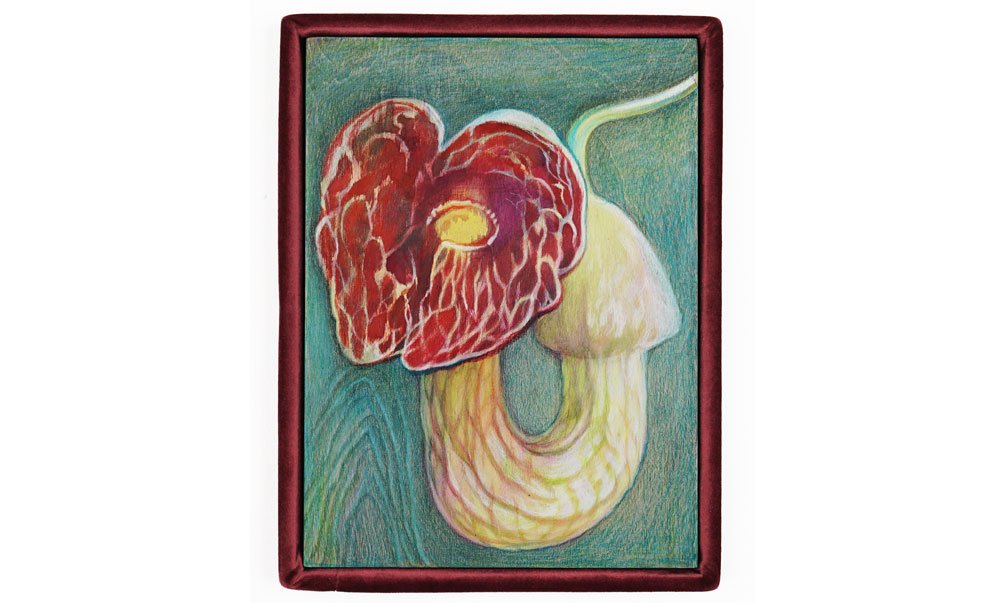
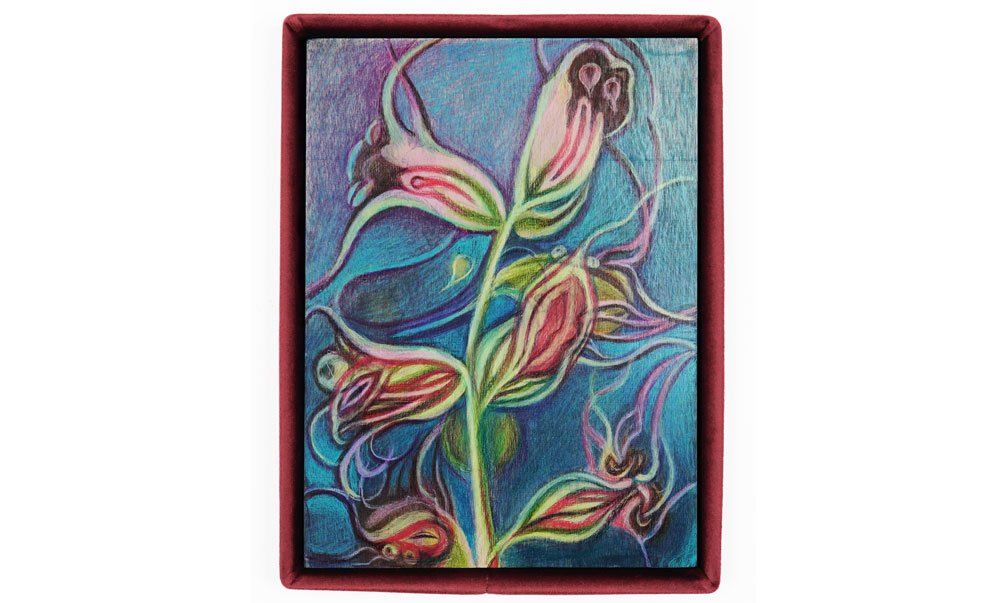
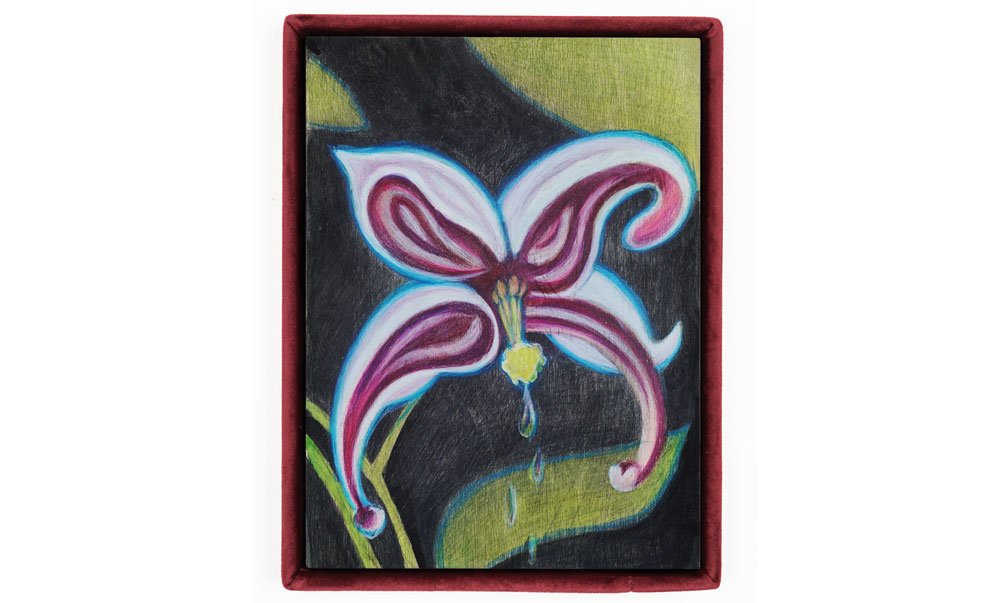
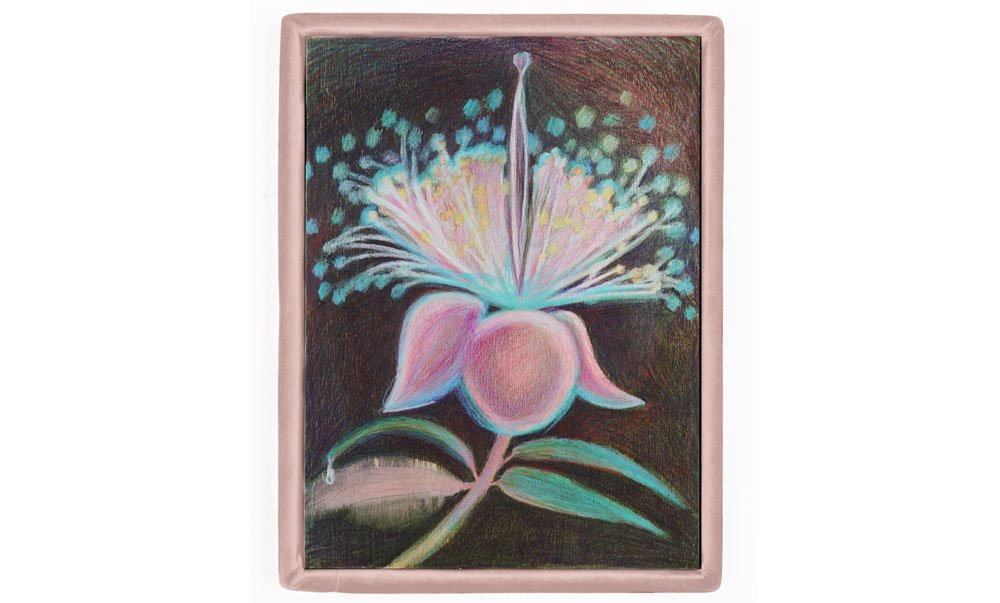
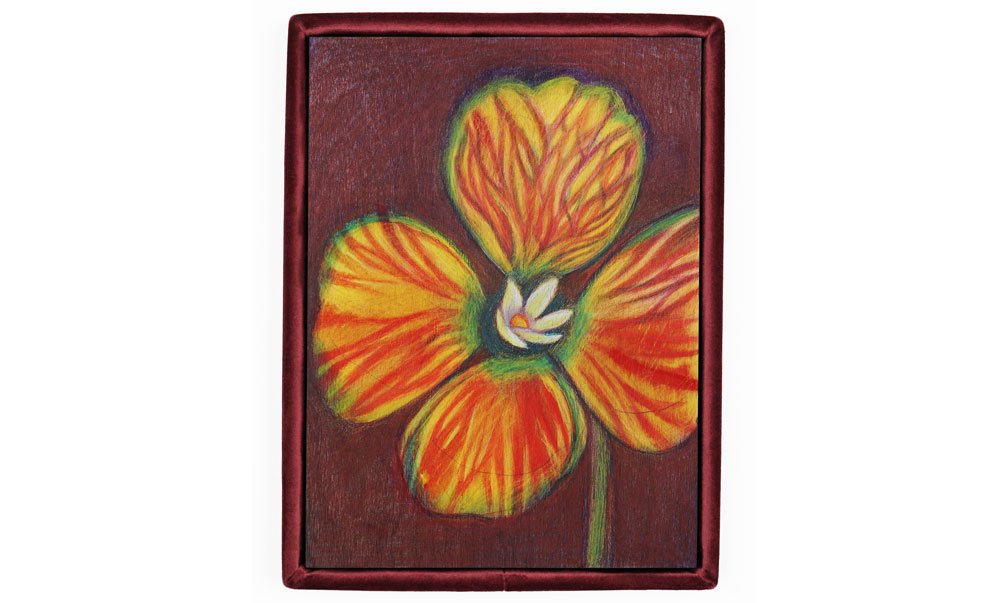
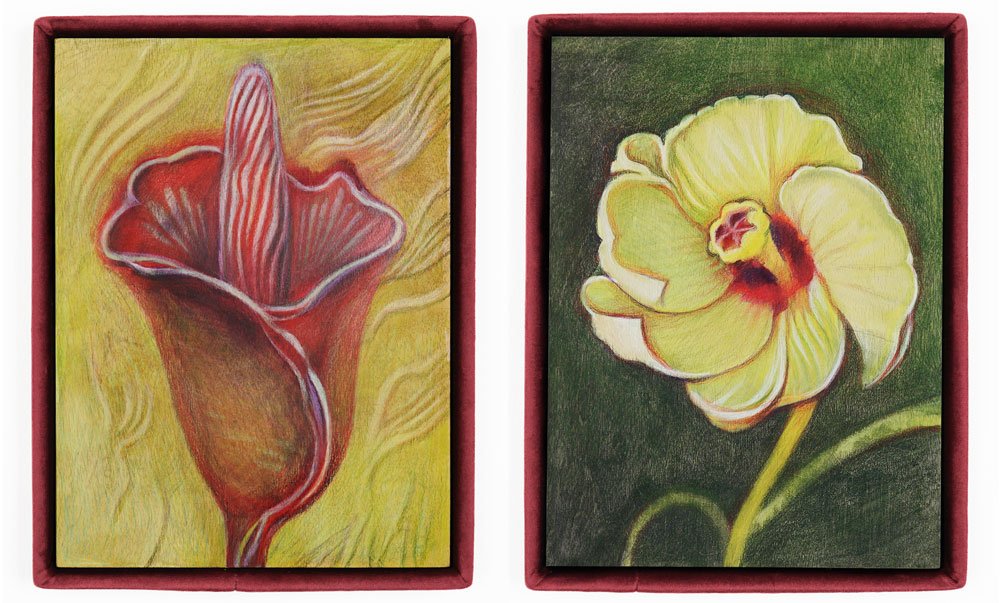
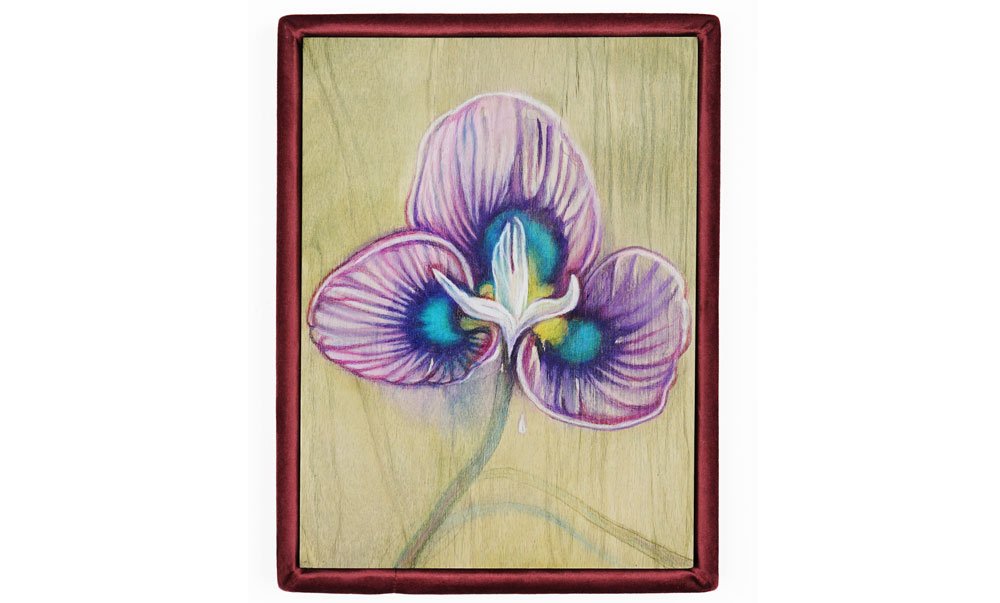
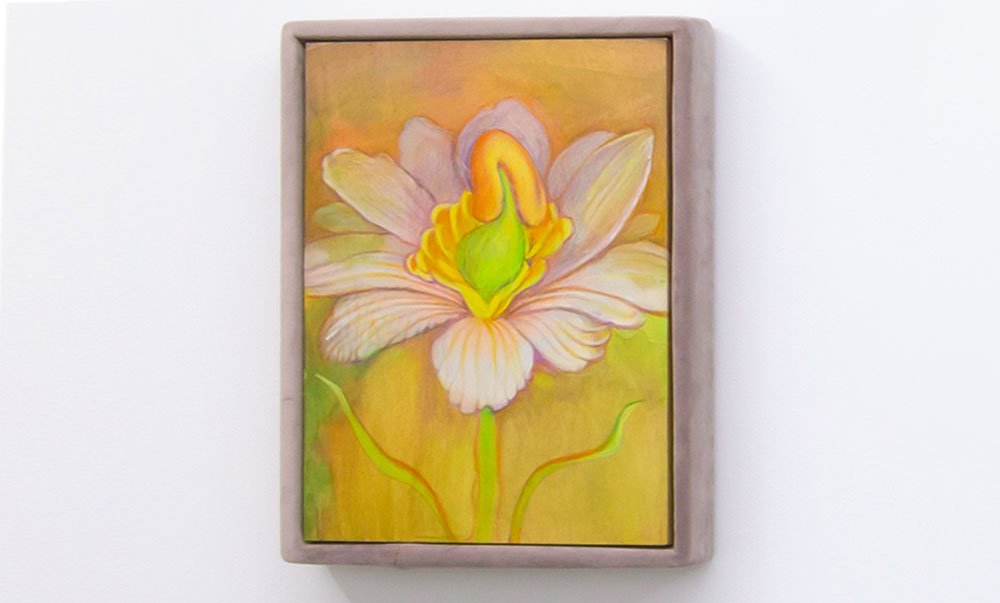
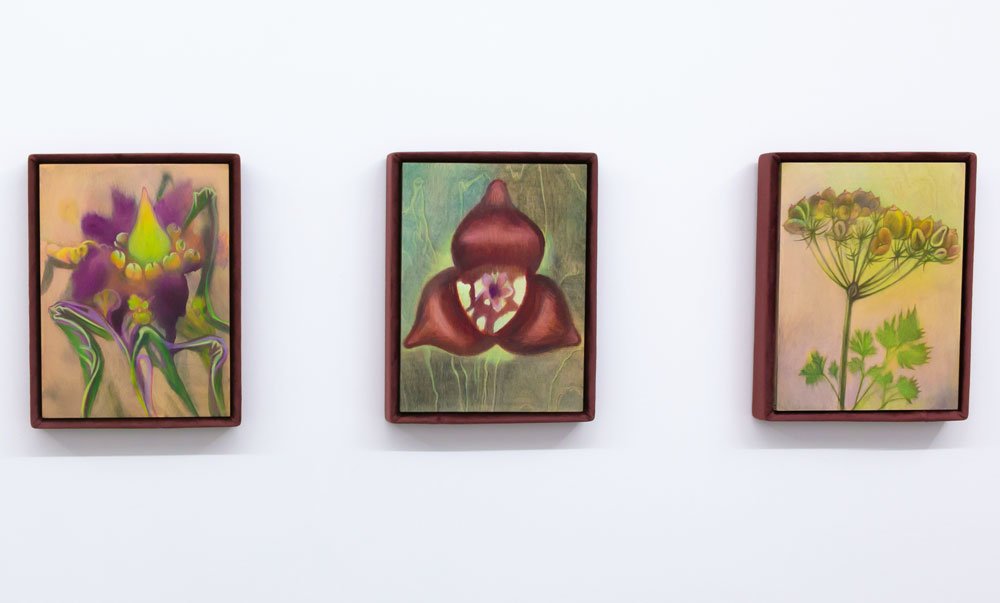
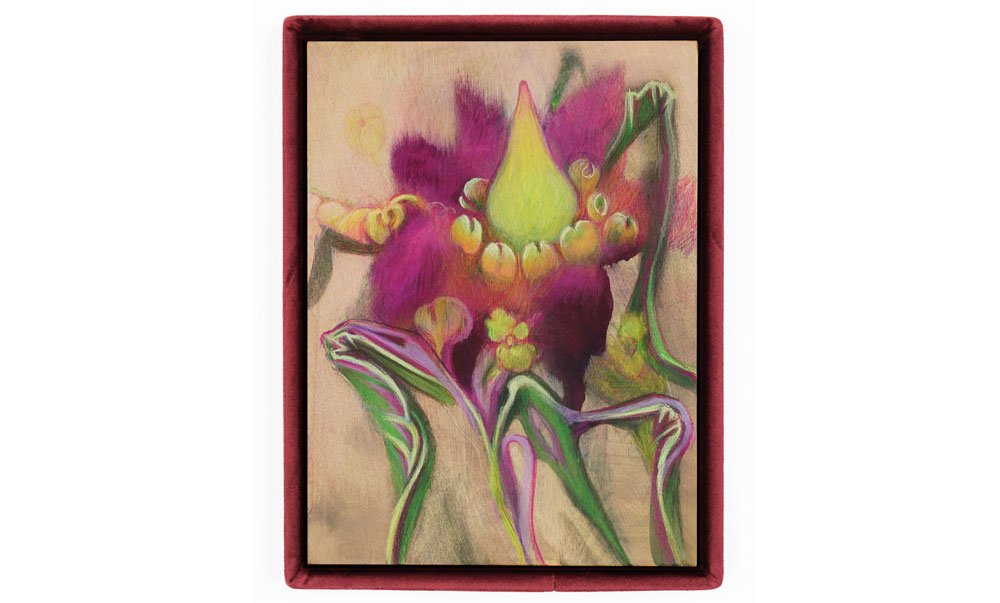
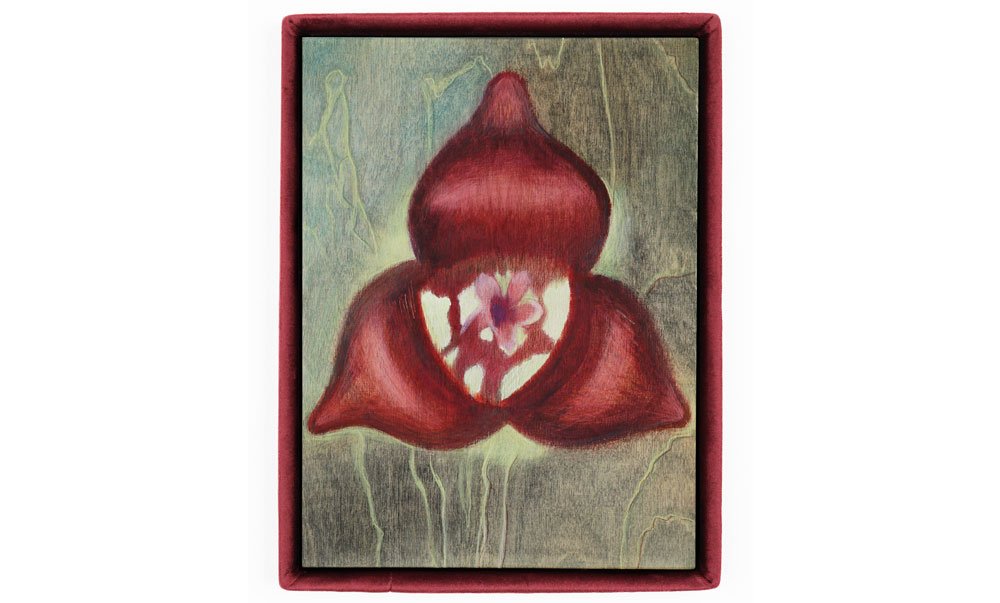
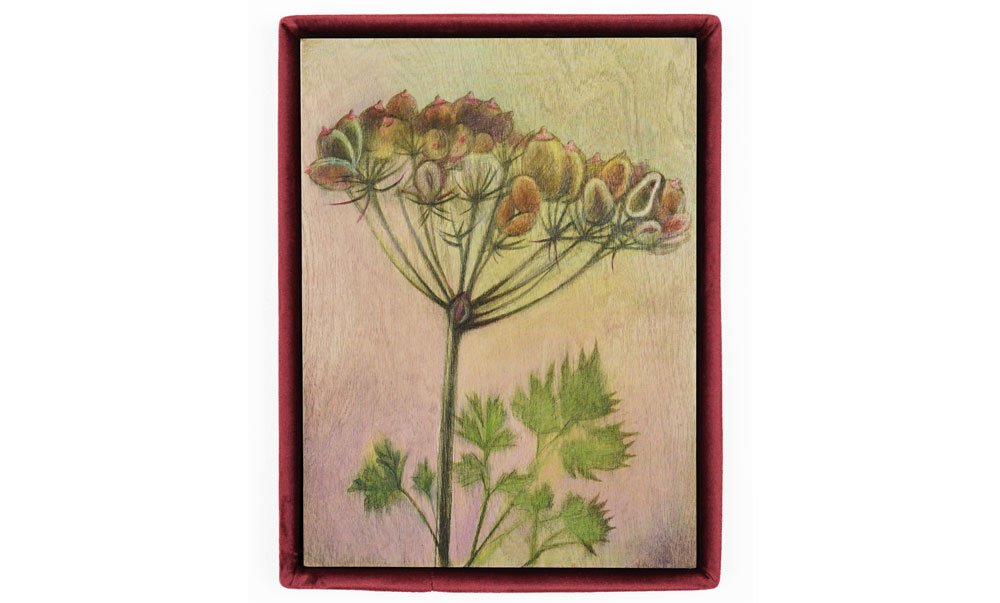
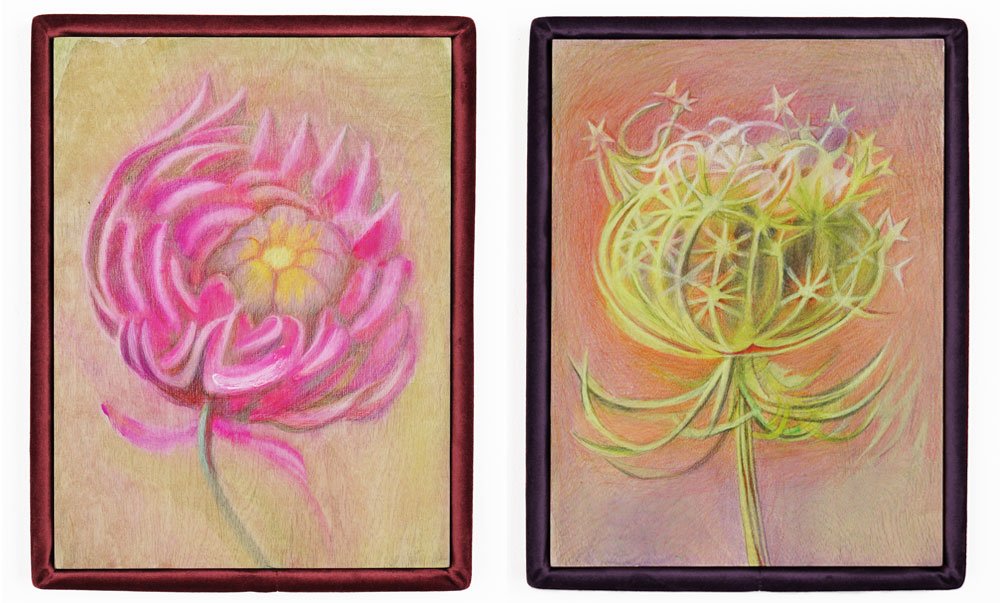
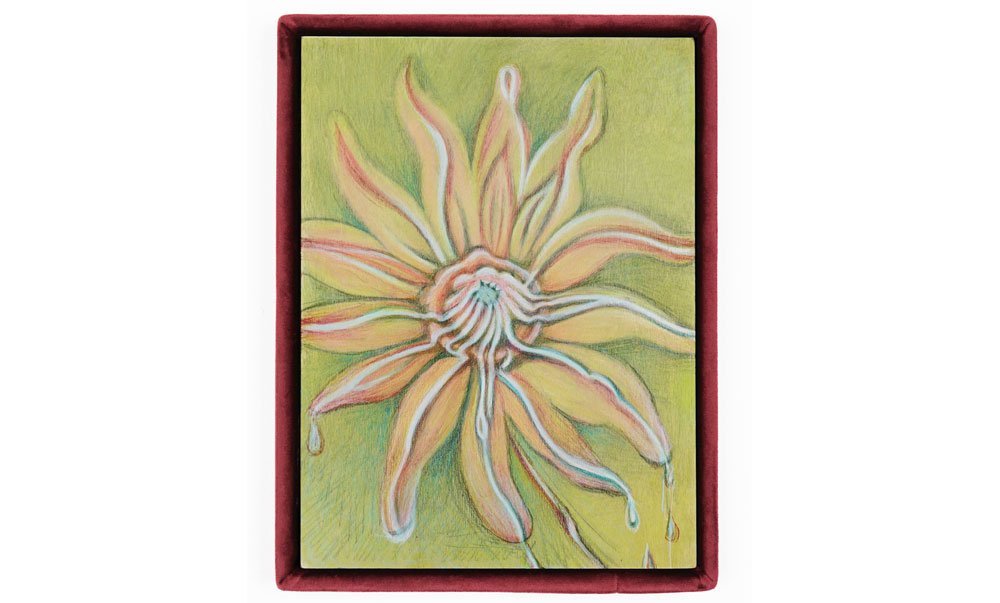
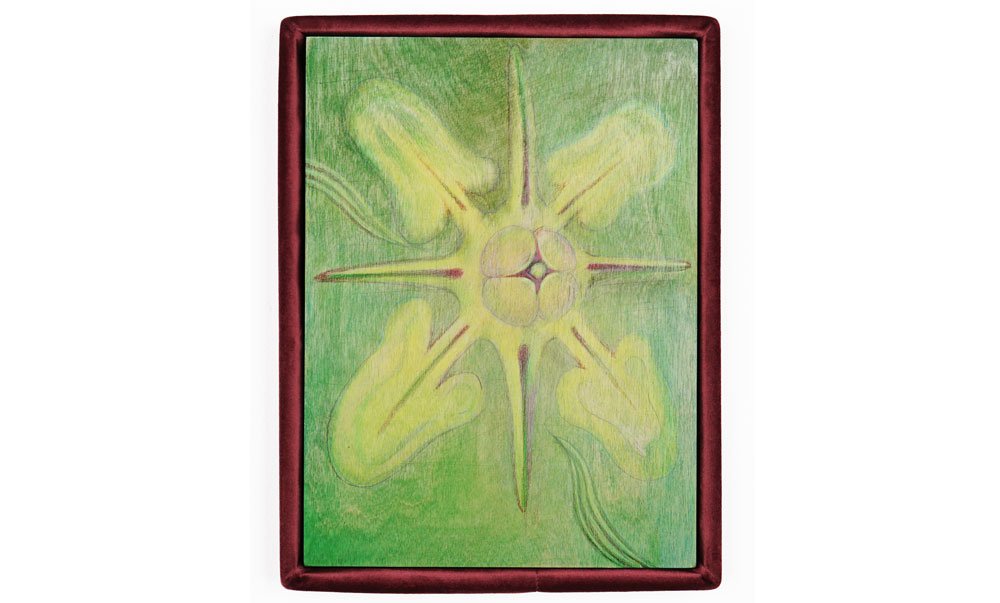
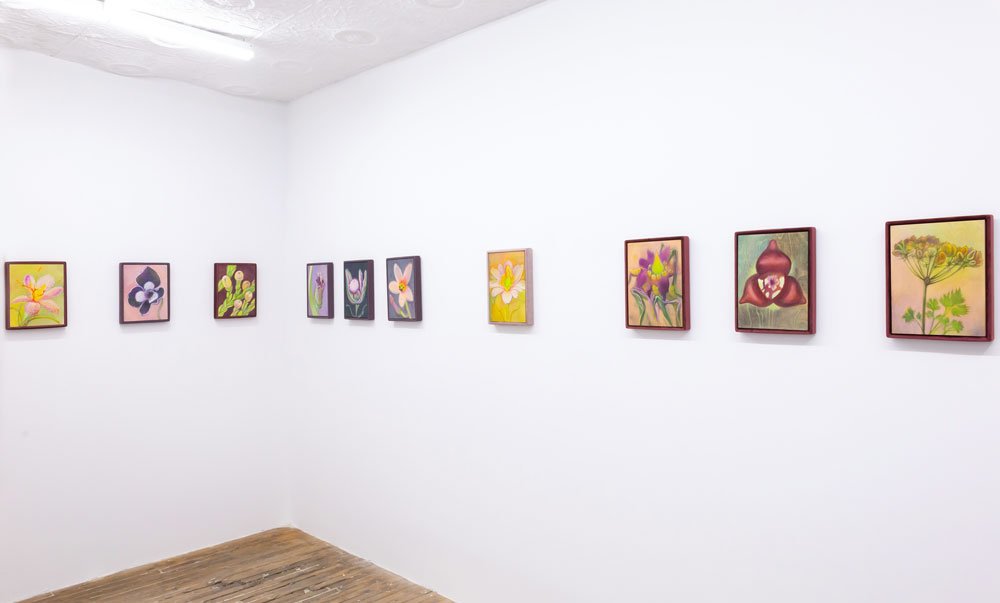
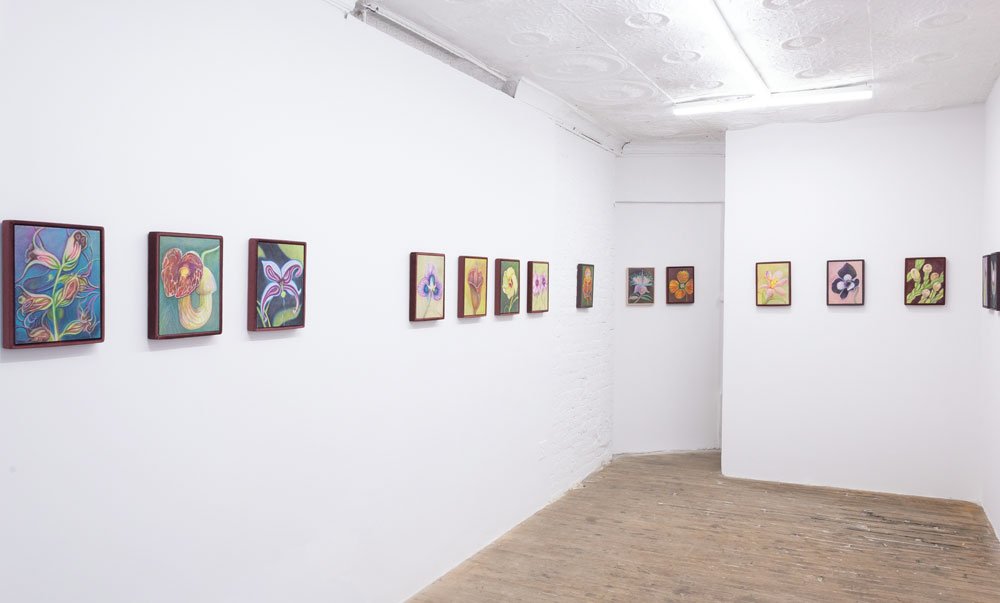
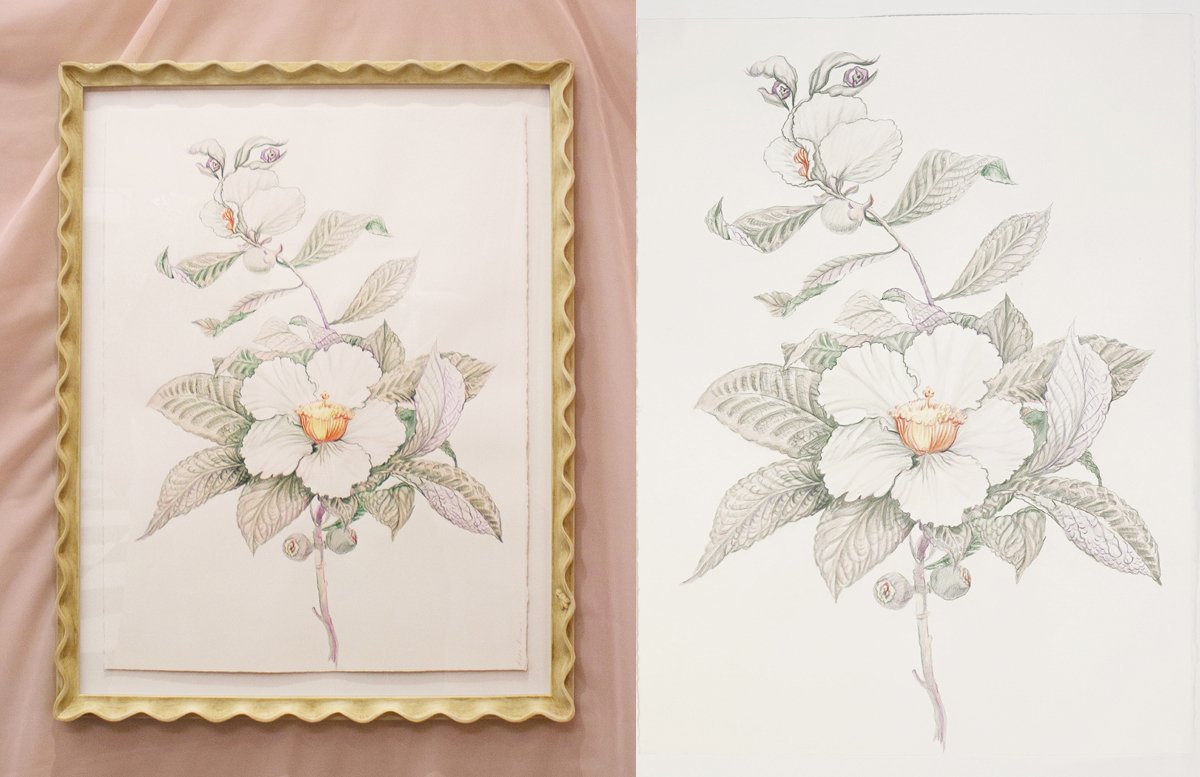
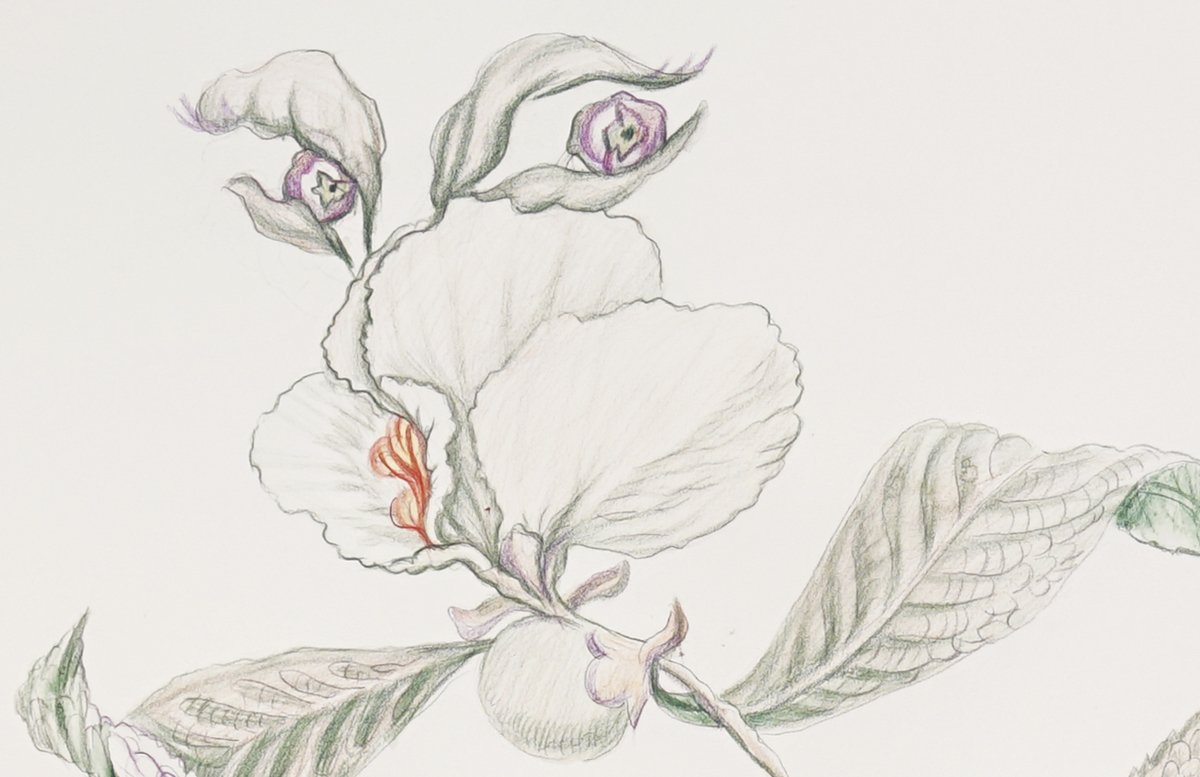
For this exhibition, Bliumis renders various plants which have been used as folk remedies throughout history to aid in pregnancy, such as Red Clover and Maca, in watercolor pencil and washes on wood panels and held within artist-made velvet frames. The artist portrays her subjects in a manner that emphasizes and exaggerates their inherent sensuality, drawing parallels between human and botanical reproductive anatomy. 

While the flora depicted in her previous Plant Parenthood series are known to have been used in various folk medicines to terminate pregnancies, in this chapter, Bliumis continues her research into the history of women using herbal medicine aimed at increasing fertility. Both series underscore that, regardless of legal restrictions and social pressures, women across cultures have and will continue to find methods to maintain agency over their bodies and reproductive decisions. The desire for motherhood and abortion may initially seem like opposing concepts, yet the core principle shared in both Fertility and Plant Parenthood is the belief in a person’s choice over their own body and health. 

Before the professionalization of medicine transferred power over pregnancy, labor, contraception, and abortion care from pregnant people and midwives to male doctors, natural fertility aids and herbal abortifacients were widely used as family planning methods. In ancient Egypt, Greece, and Rome, for example, fetuses were regarded as part of women’s bodies, and their nourishment or disposal therefore was the prerogative of the pregnant person. In large part, these herbal rituals have been shielded from the gaze of patriarchal eyes. 

Bliumis’ paintings mirror the work of our foremothers who used botanicals as medicine. Without context, a viewer might only see flowers, but with knowledge, the viewer begins to understand the power and self-determination preserved by these plants. 

images:
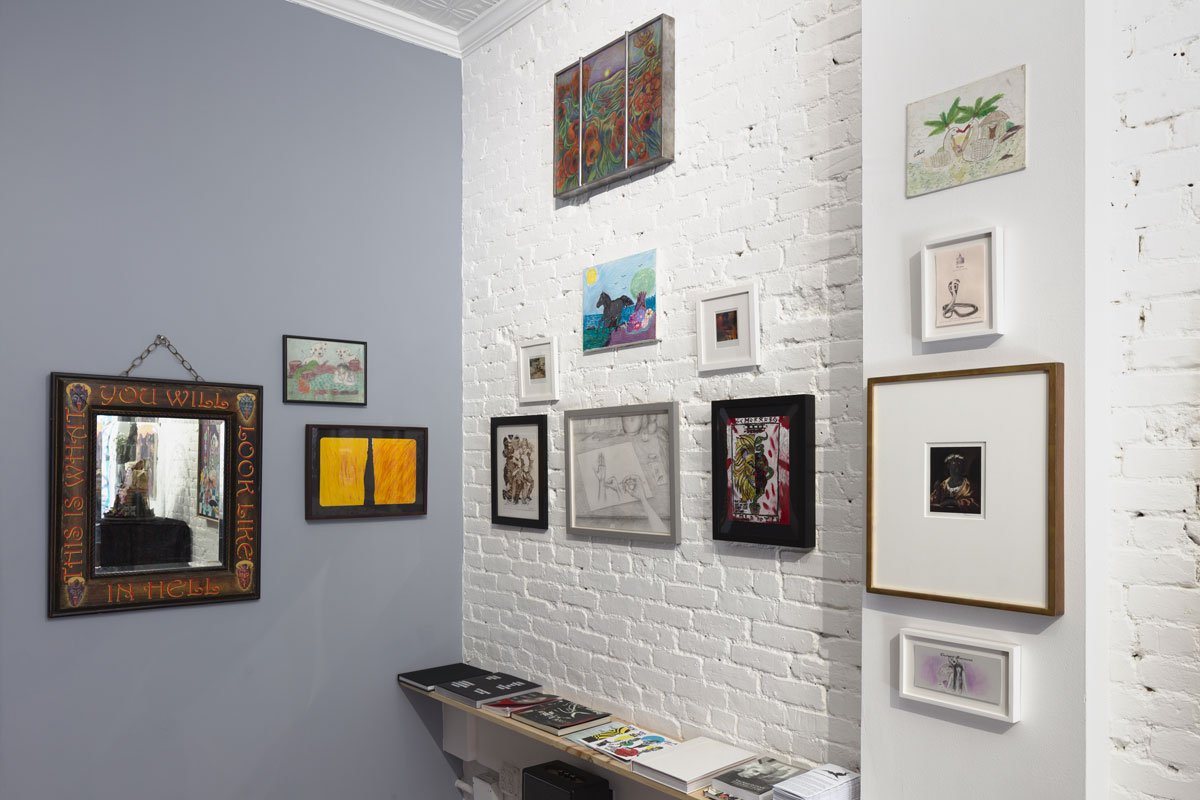
Plant Parenthood, Fertility Flowers series, 2023
watercolor of wood panel, artist’s velvet frame
17.5x13.5x1.5 In
Each

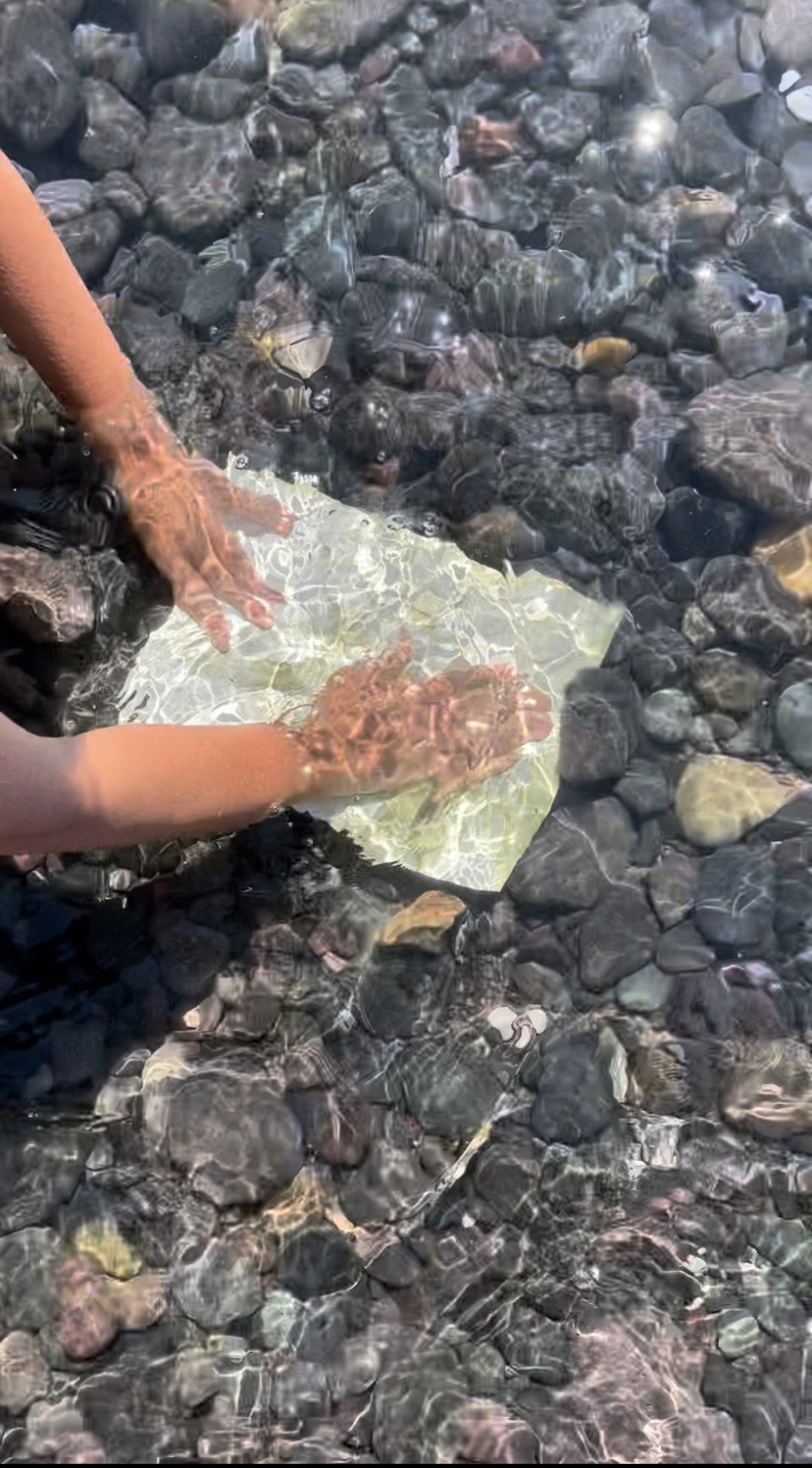
Tryfon Art Residency, Lesbos, Greece, August 2023

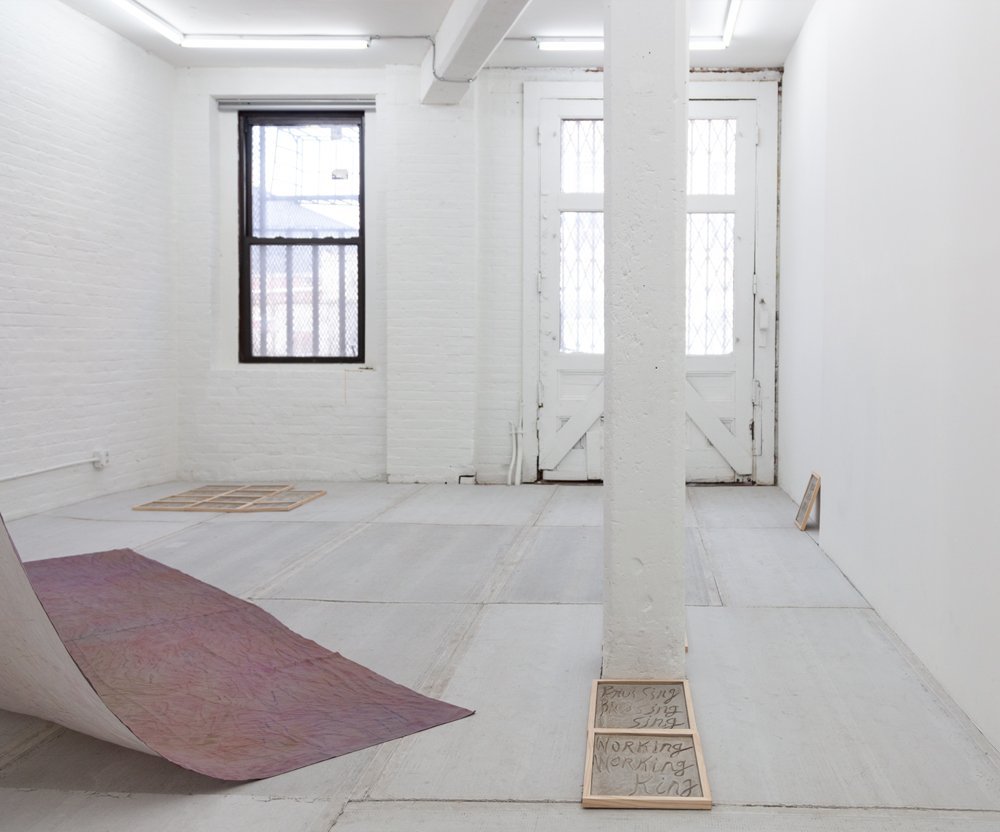
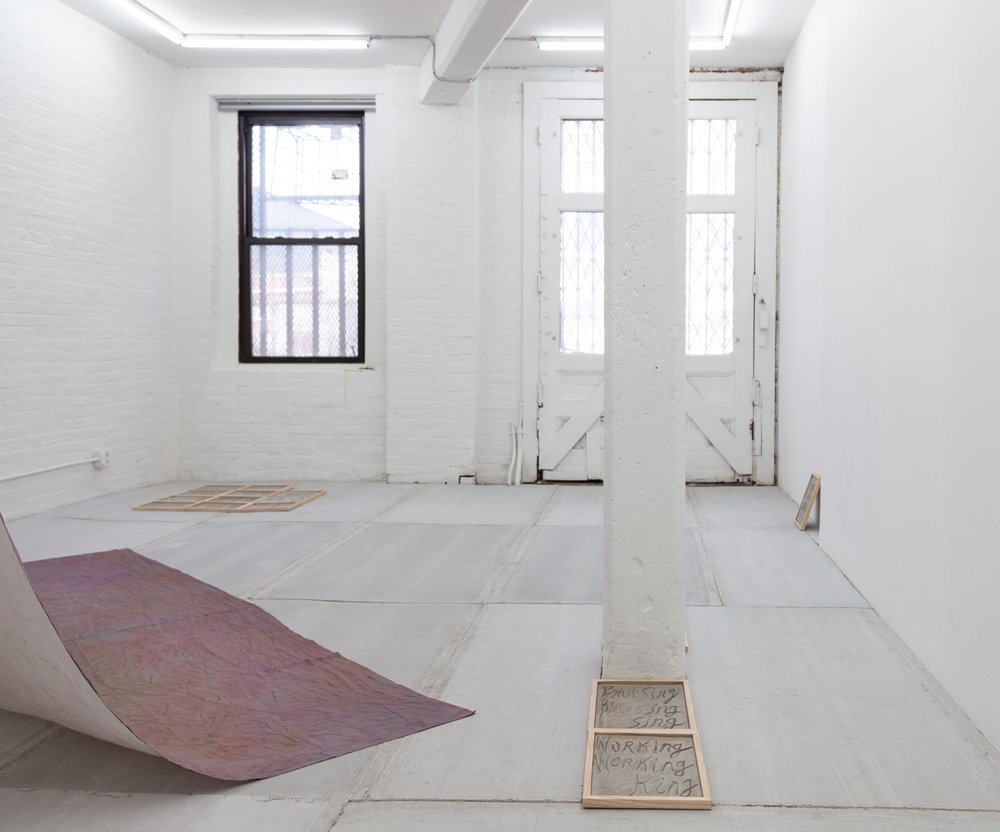
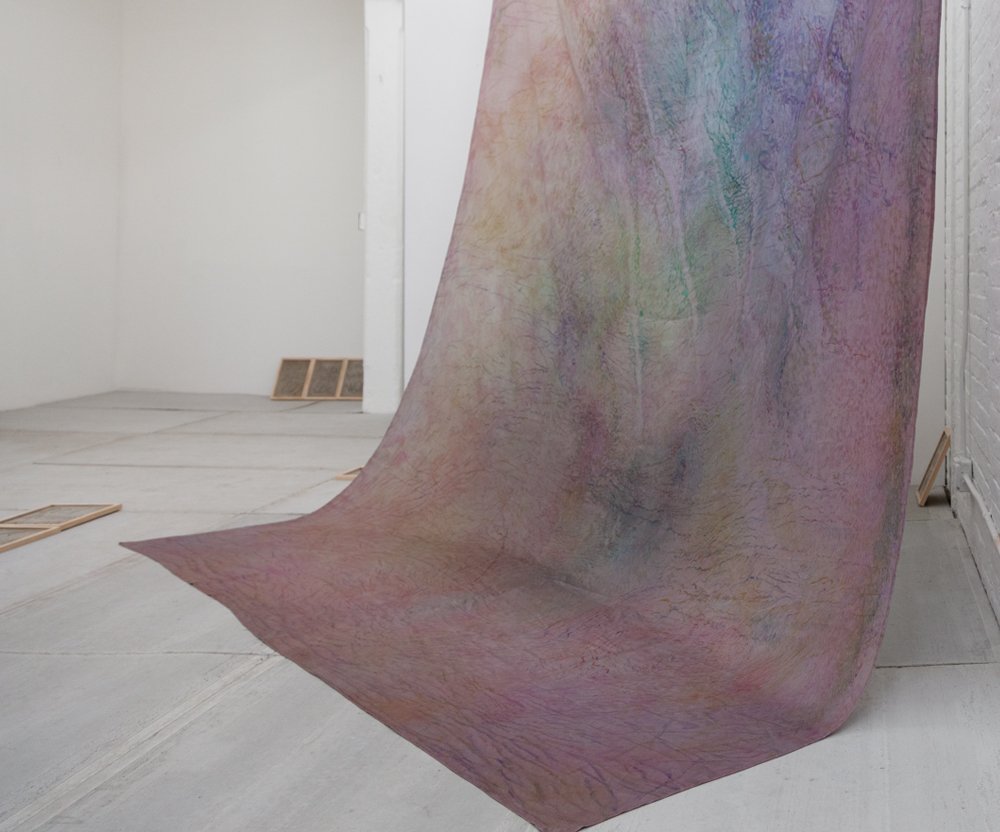
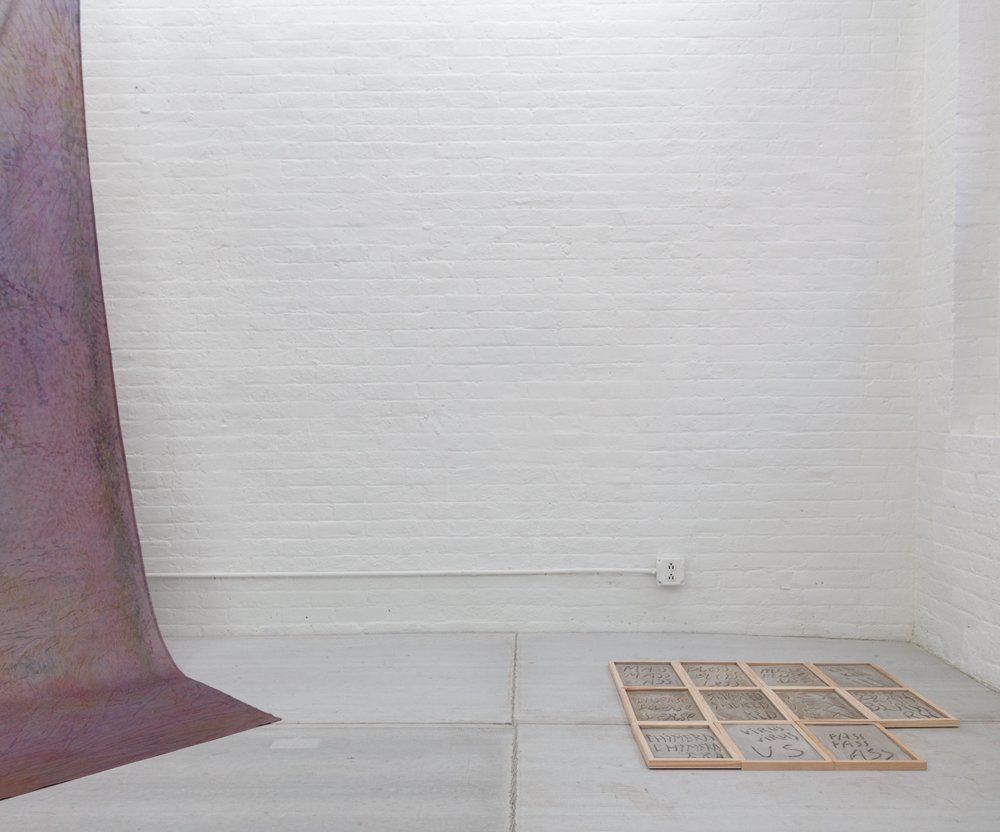
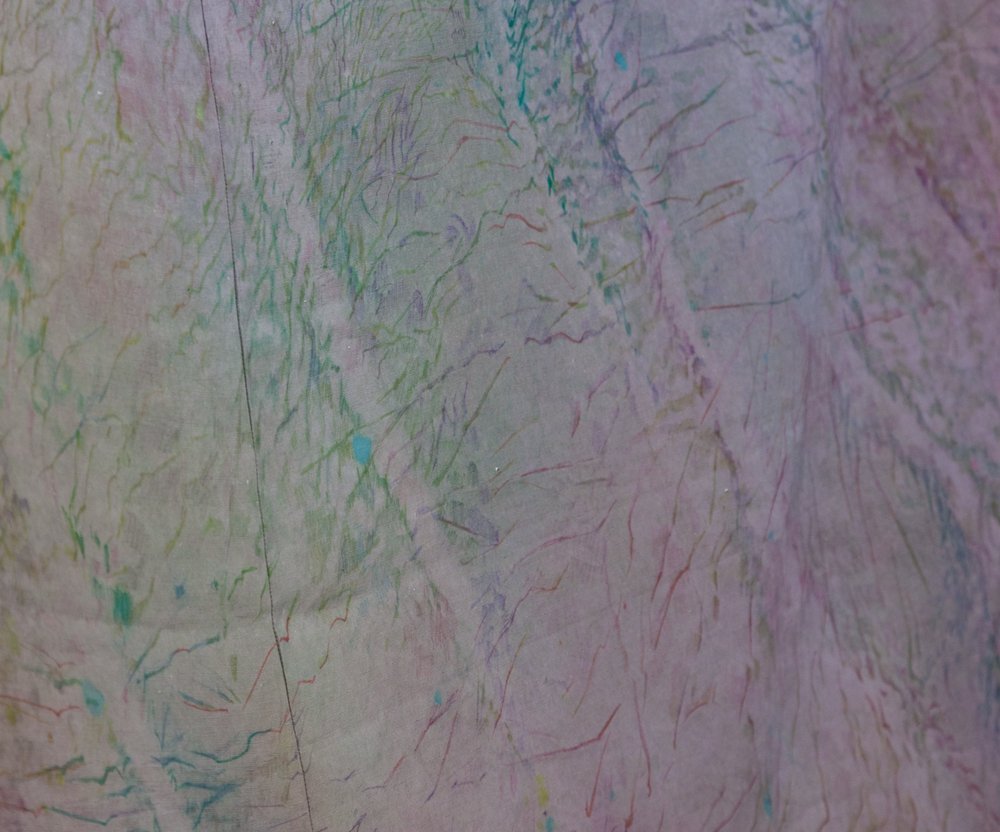
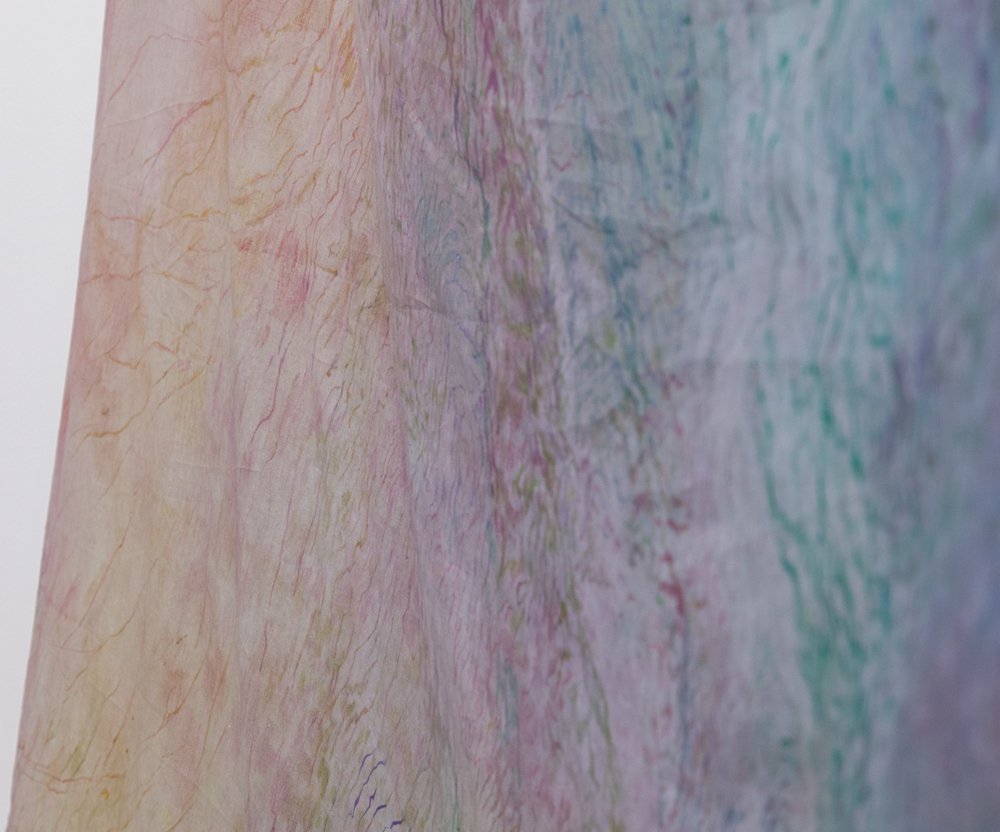
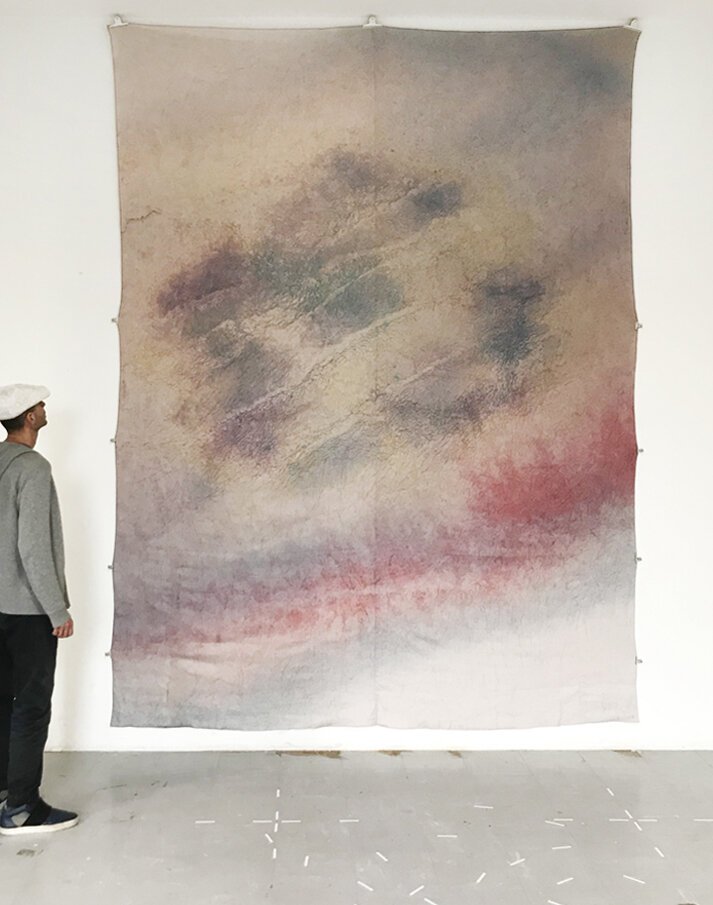
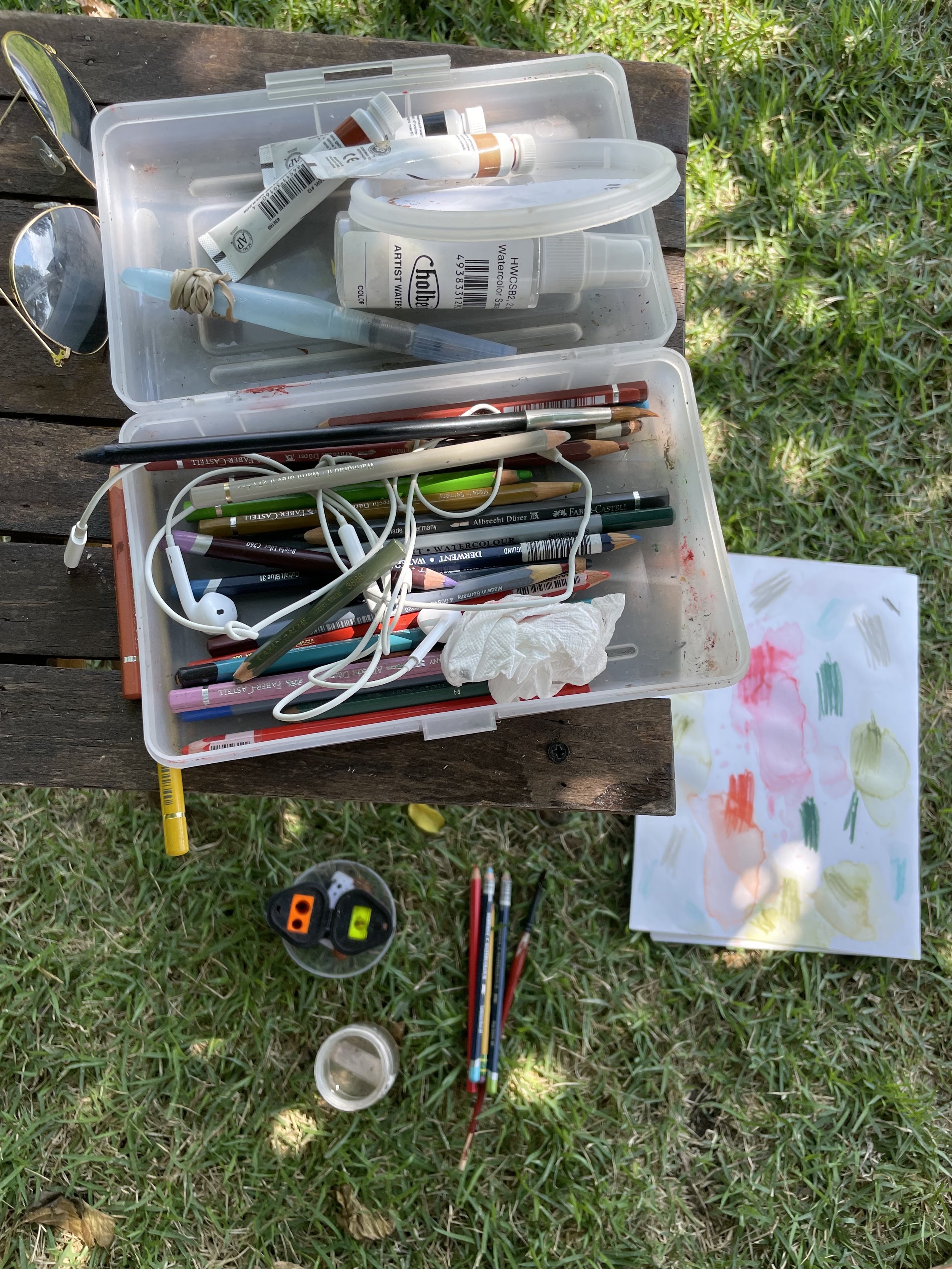
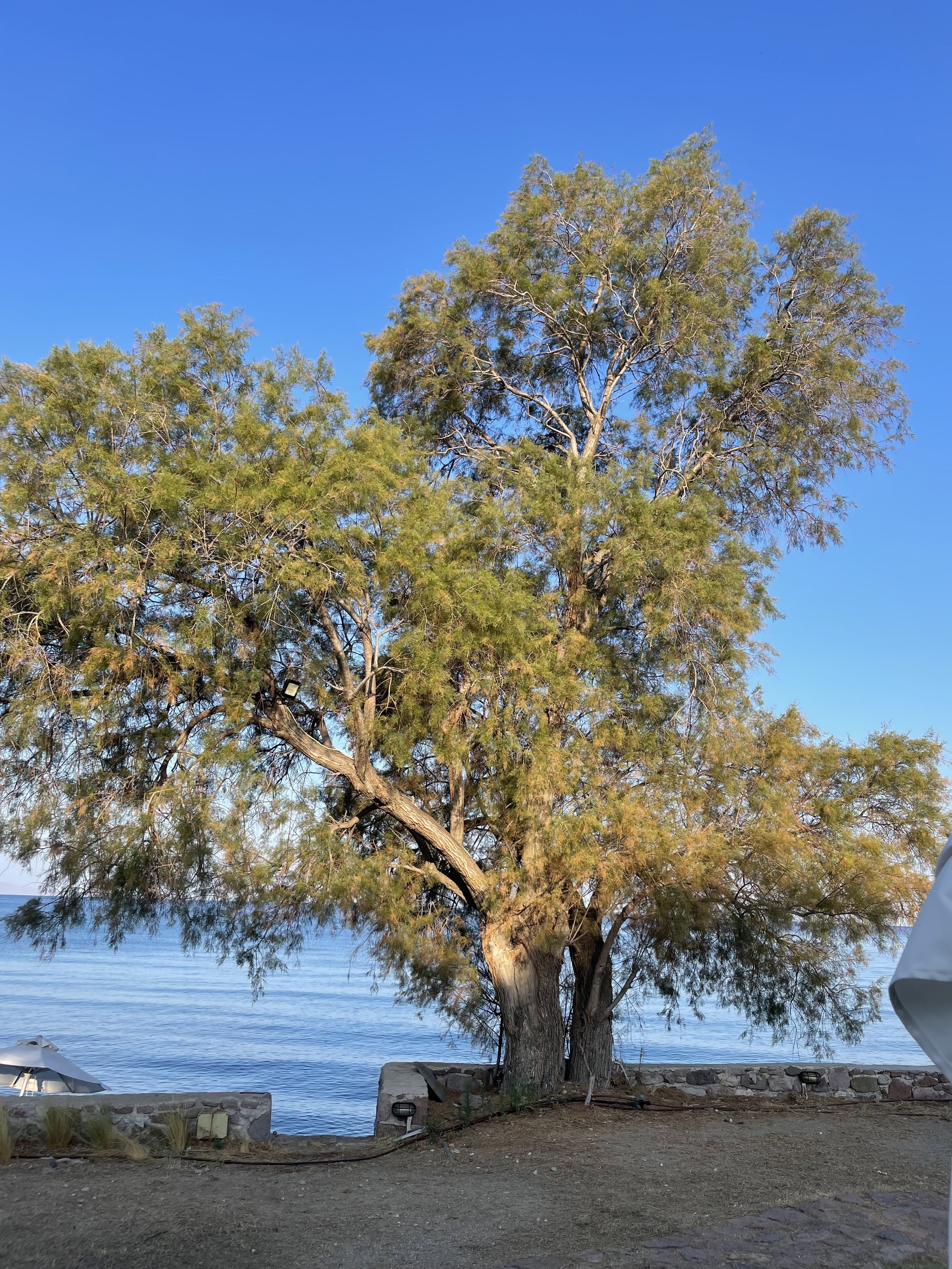
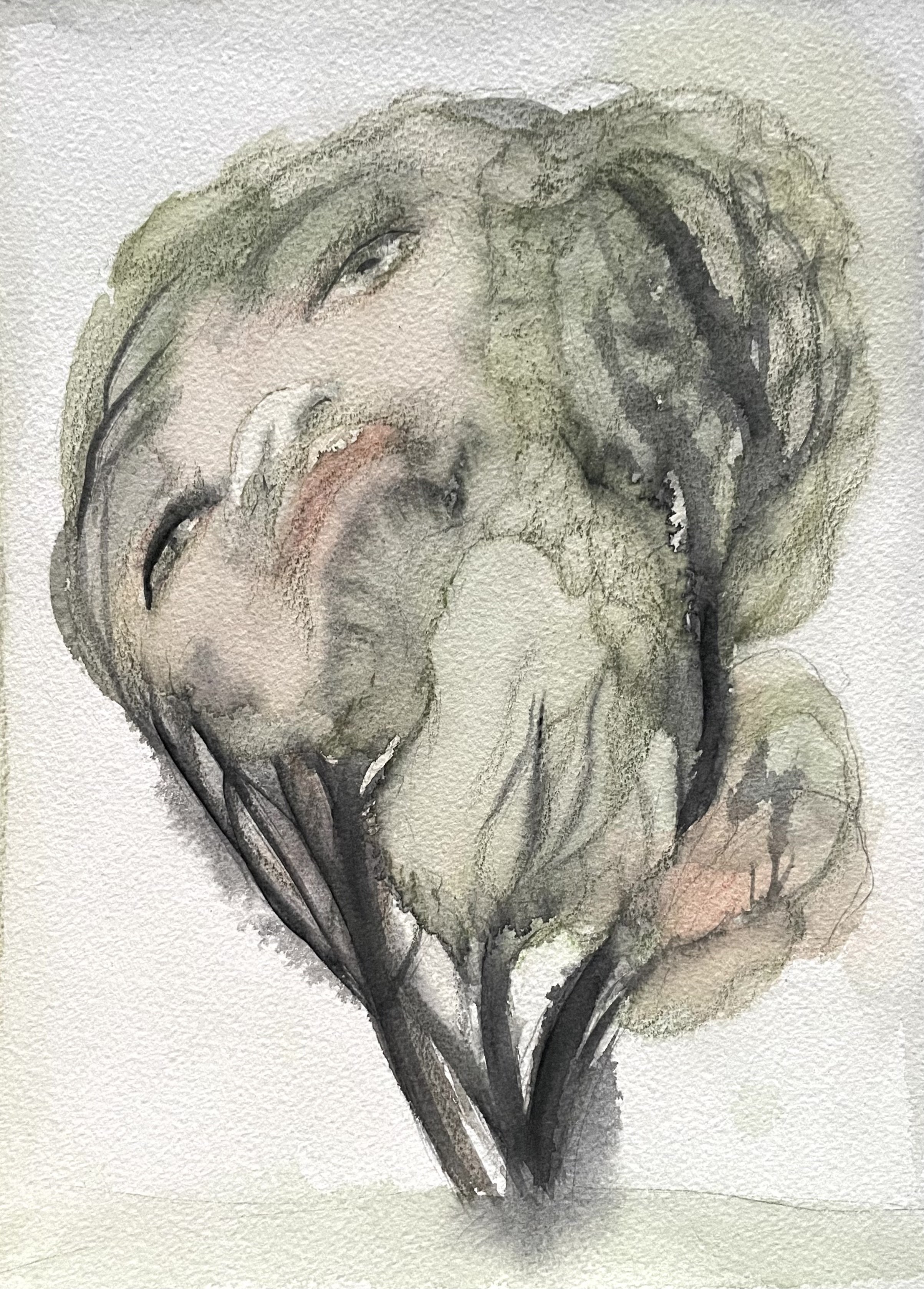
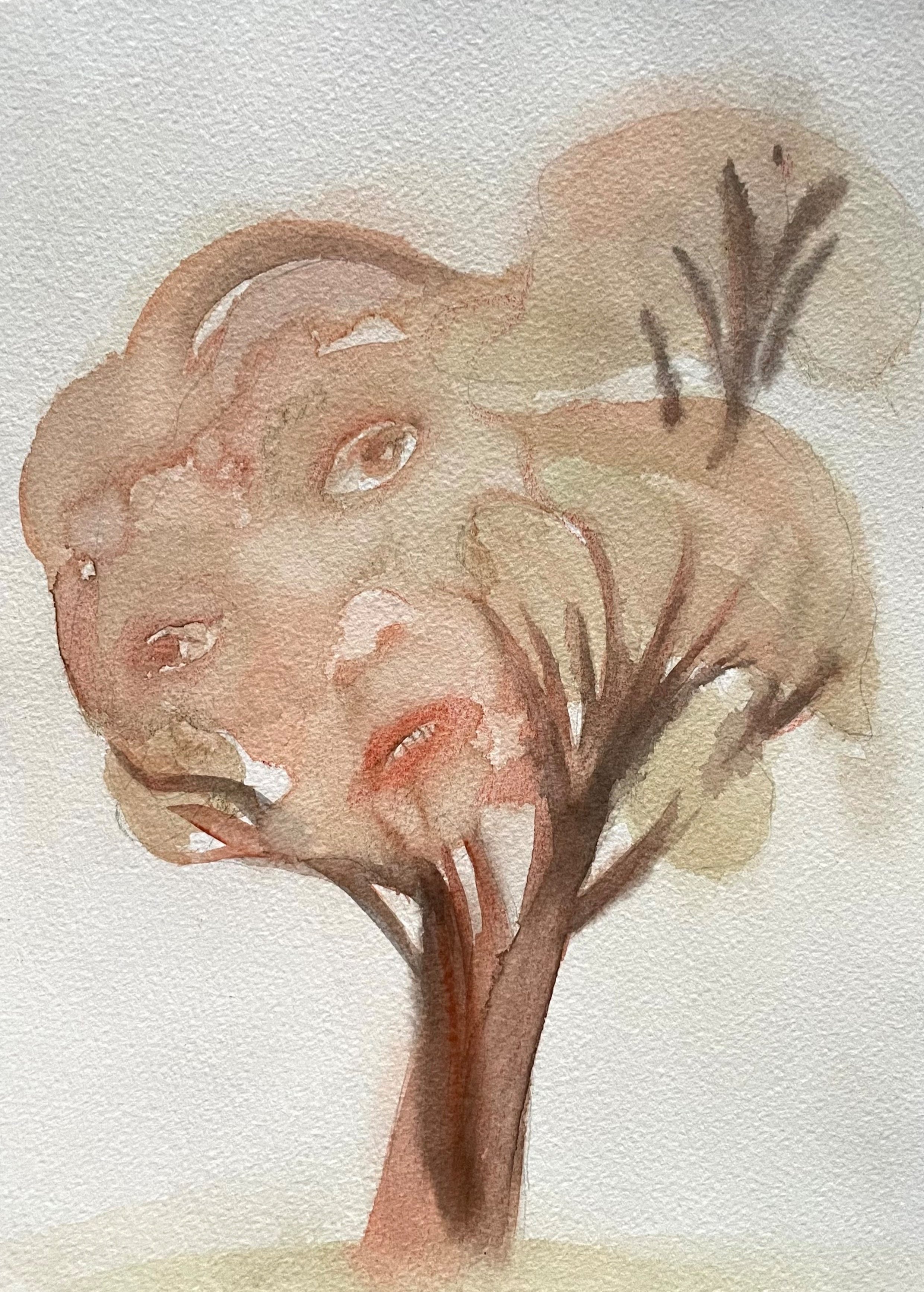
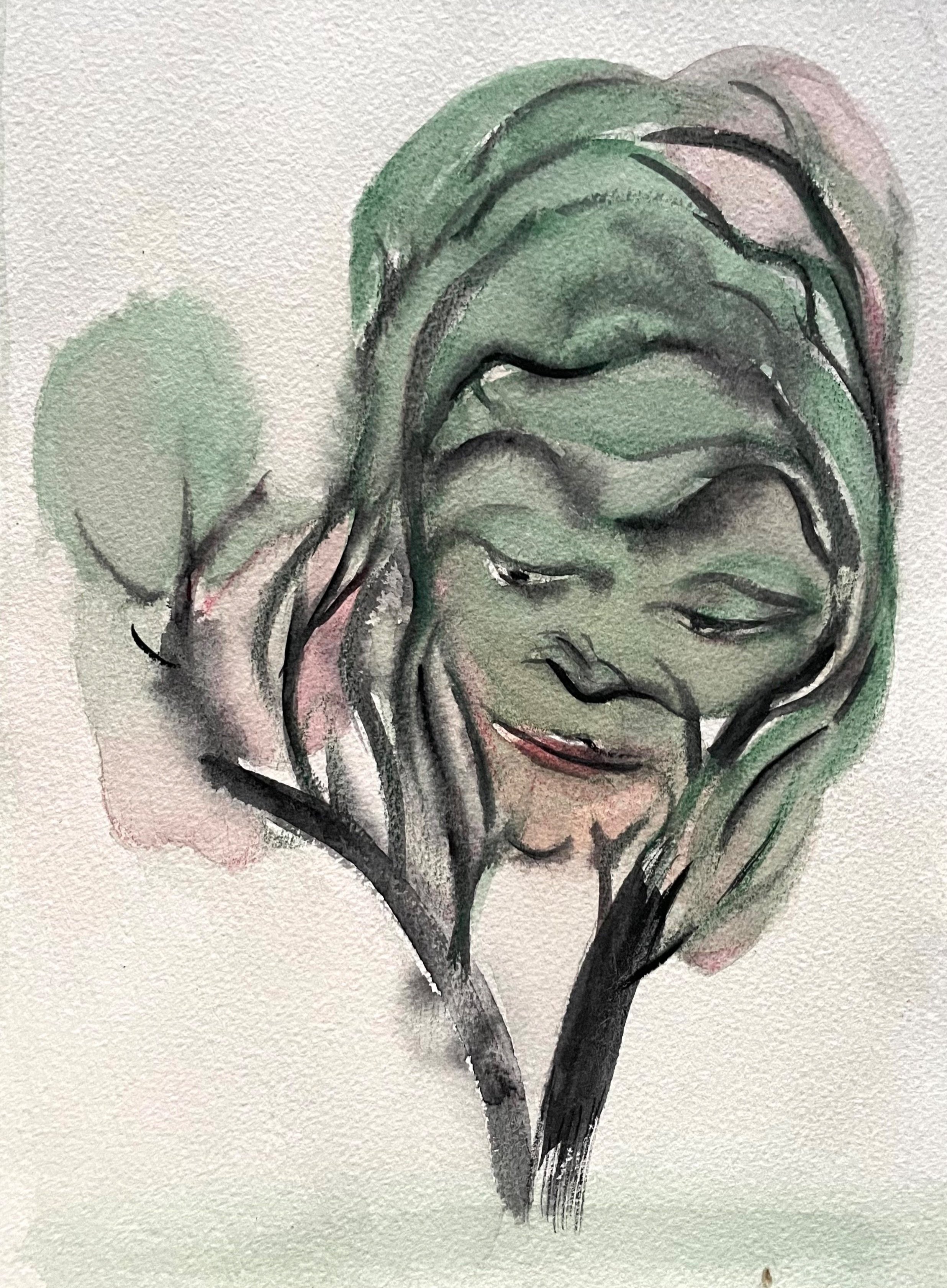
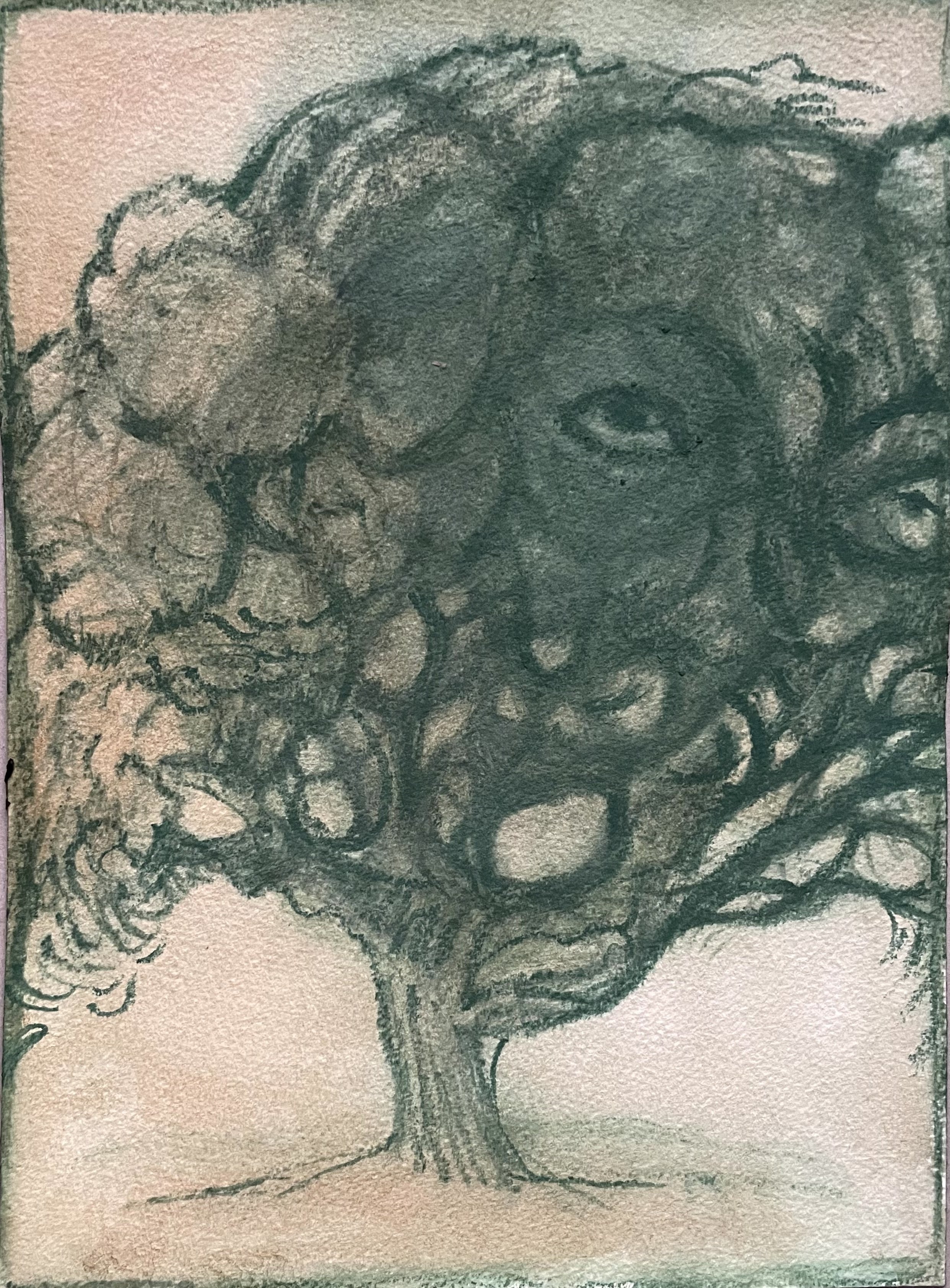
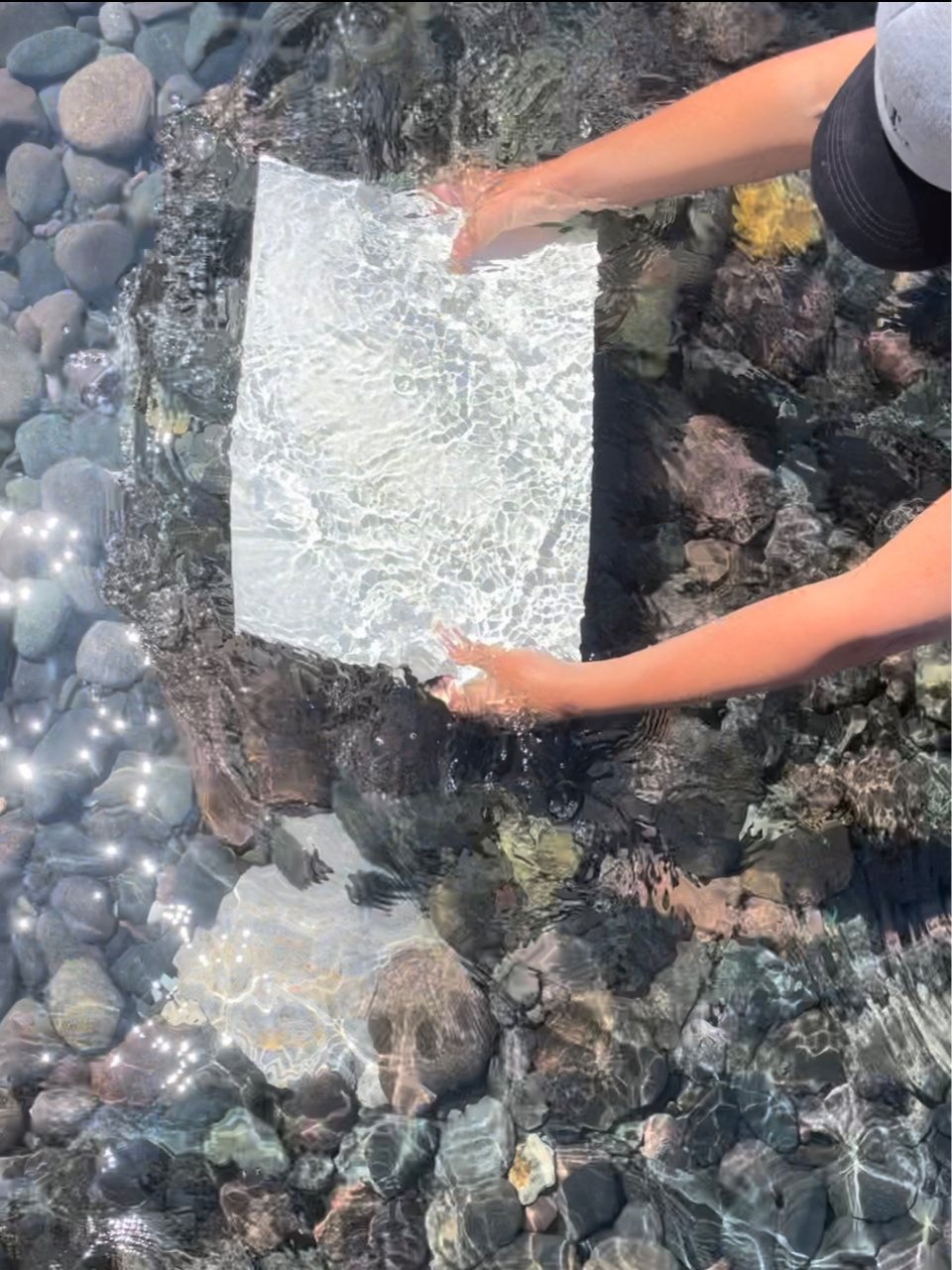
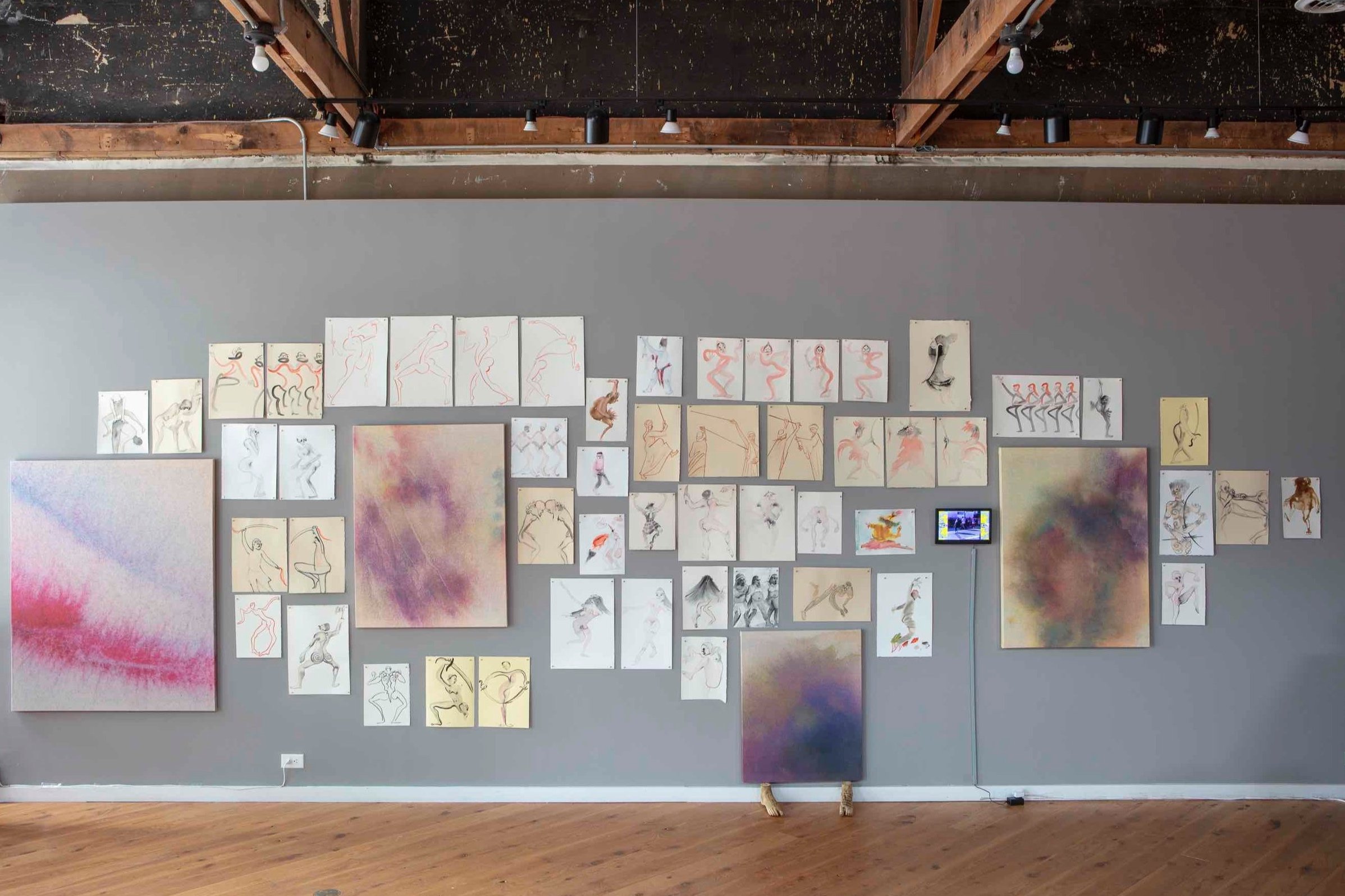
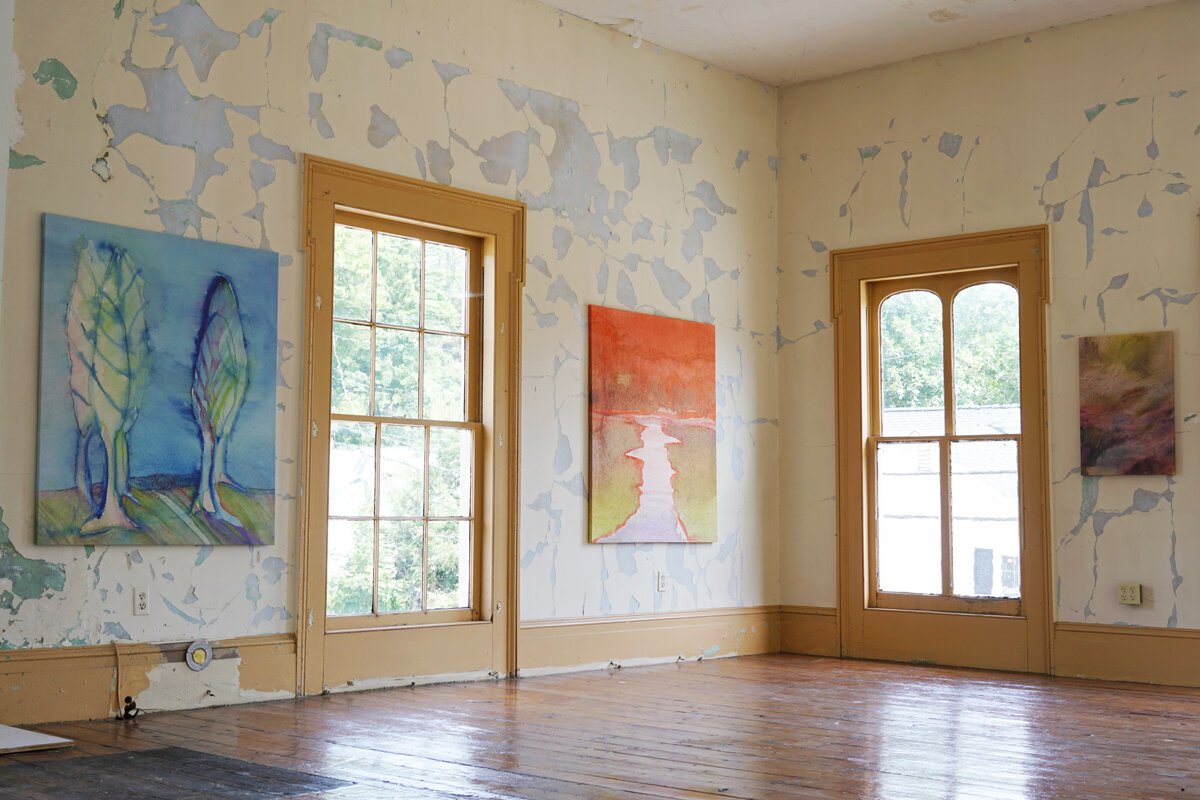
Upon my arrival to the island I was taken away by the lavish beauty of Molyvos trees spreading in a row along the beach. I set up my temporary studio in the shadow of one of the trees, coming back every day to the same spot for the duration of the residency (2 weeks+) and studying the trees in front of me;  tracing their patterns with watercolor and soaking the paper in the sea, almost like “photo developing technique” repeating the process over and over till a contour of their feminine beauty, faces or bodies, will appear in color paddles of sea washes.

Gathering at The Corner Gallery, Andes, NY Organized by: Anne Couillaud July-August 2023

Organized by: Anne Couillaud

Artists: Juliette Agnel, Nicoletta Agostini, Maikoiyo Alley-Barnes, Ok Hyun Ahn, Fabienne Audeoud, Hemali Bhuta, Mireille Blanc, Alina Bliumis, Jeff Bliumis, Nancy Brooks Brody, Dawn Cerny, Florence Chevallier, Isami Ching, Tyler Coburn, Anne-Lise Coste, Arko Datto, Jeanette Doyle, Xavier Drong, Mario d’Souza, Joy Episalla, Ben Elliot, Nihaal Faizal, Sasha Ferre, Thomas Fougeirol, Julien Gardair, David Gilbert, Philippe Goron, Andre Guenoun, Elana Herzog, Daniel Horowitz, David Horvitz, Shreyas Karle, Fabienne Lasserre, Alexander Lee, Guillaume Leingre, Zoe Leonard, Charlene Liu, Francesca Lohmann, Ariane Lopez-Huici, Myriam Mechita, Rohit Mehndiratta, Matthew Offenbacher, Amarnath Praful, Jessica Rankin, Rob Rhee, Alejandra Seeber, Aude Simone, Stephanie Snider, Mary Temple, Agnes Thurnauer, Tam Van Tran, Raphael de Villers, Melanie Vote, Carrie Yamaoka

The feeling of summer… To me, it implies friends and flowers. Leaning solely on this impression, we are presenting Gathering at the Corner Gallery in Andes, New York. Summer is the unhurried season of long utopic days spent with friends. Gathering after months of being apart in a moment of convergence, this exhibition is a reinvigorating circle of friends in the countryside. Guided by love and kinship, an economy of scale, and our interest in this way of connecting, we invited a group of artists to send us a work on paper representing the summer wildflower of their choice via postal mail.
In many cultures, flowers, real or represented, are used to express feelings. These phenomena of nature become the carriers of appreciation, love, joy, sympathy, friendship and care, while also often conveying or awakening the poetic. With the efflorescence of each bloom, there is also the idea of absolute — non transactional — generosity. In this Catskills space, a meadow of humble blooms is chorally formed and offered. A singular herbarium appears from the plurality of voices and locations gathered.
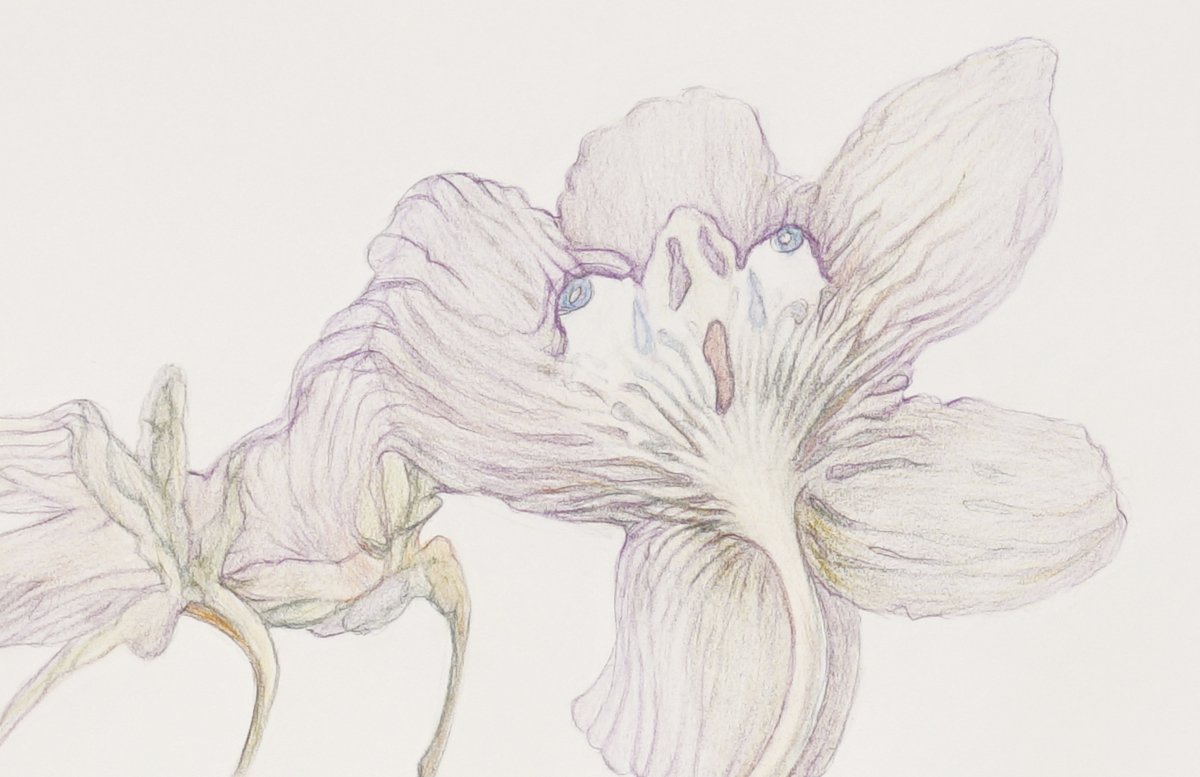
An herbarium that conveys time, observation and connection. An herbarium that embodies the idea of interrelatedness. A network, as a form of being, comes through. An archipelago of friendship appears. Friendship, a place of flourishing — and sometimes even reinvention — of the self, can also be a place where life can be transformed, even socially and politically. Friendship as a way of life: with love as matrix, it becomes a place of tangible and accessible utopia.

Boris Groys ART HISTORY OF VIOLENCE

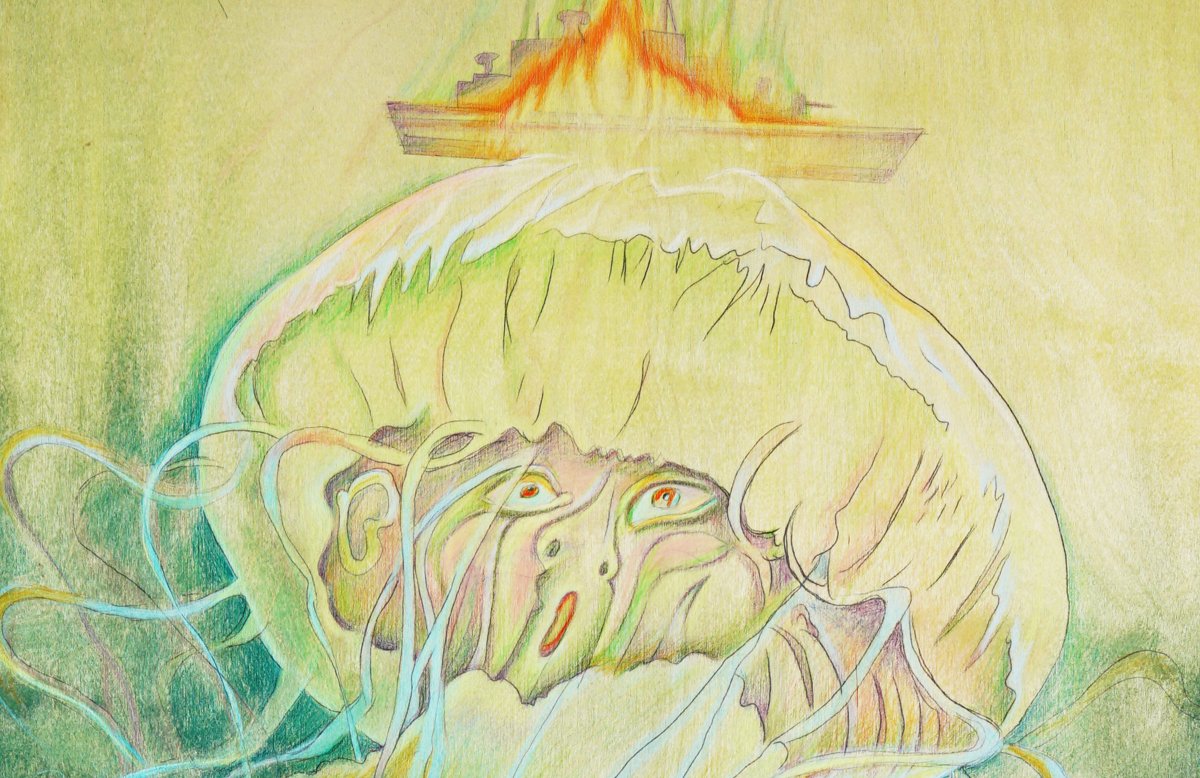
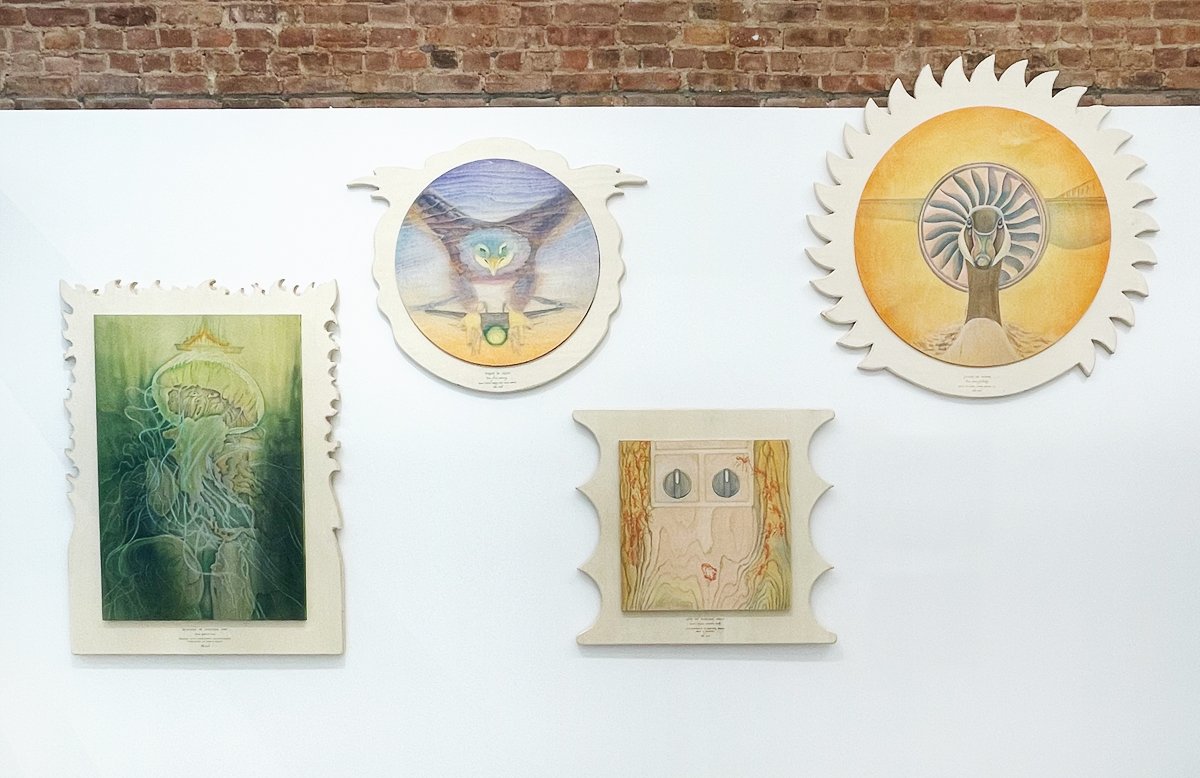
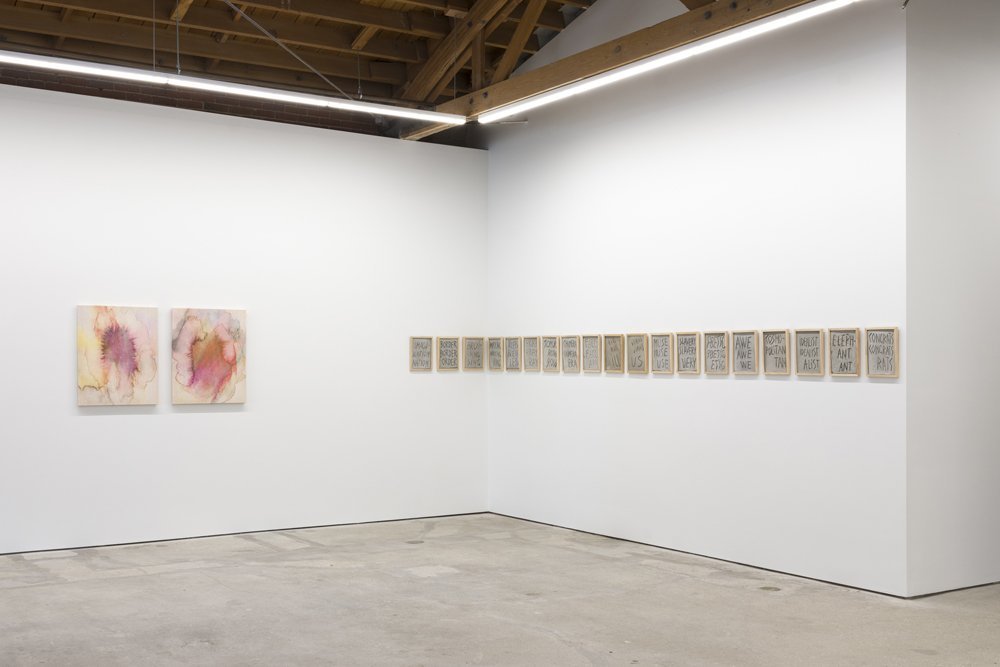
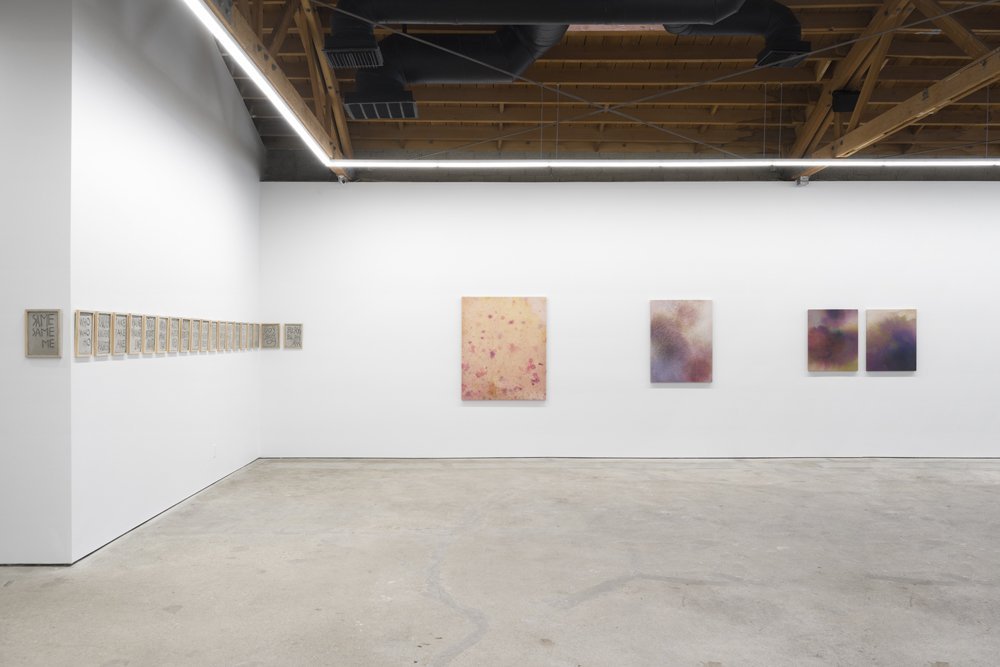
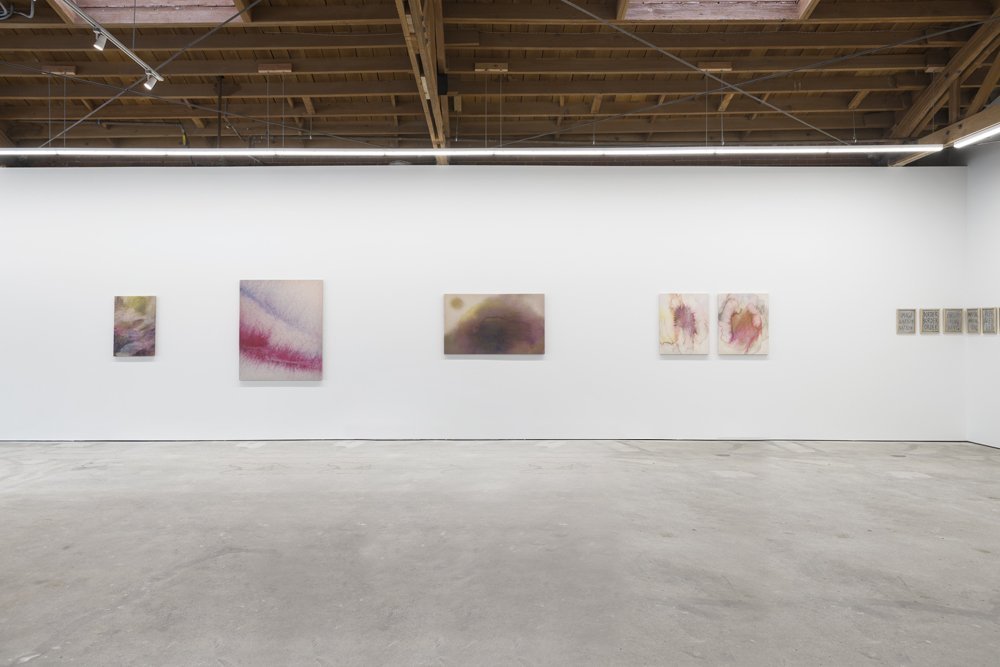
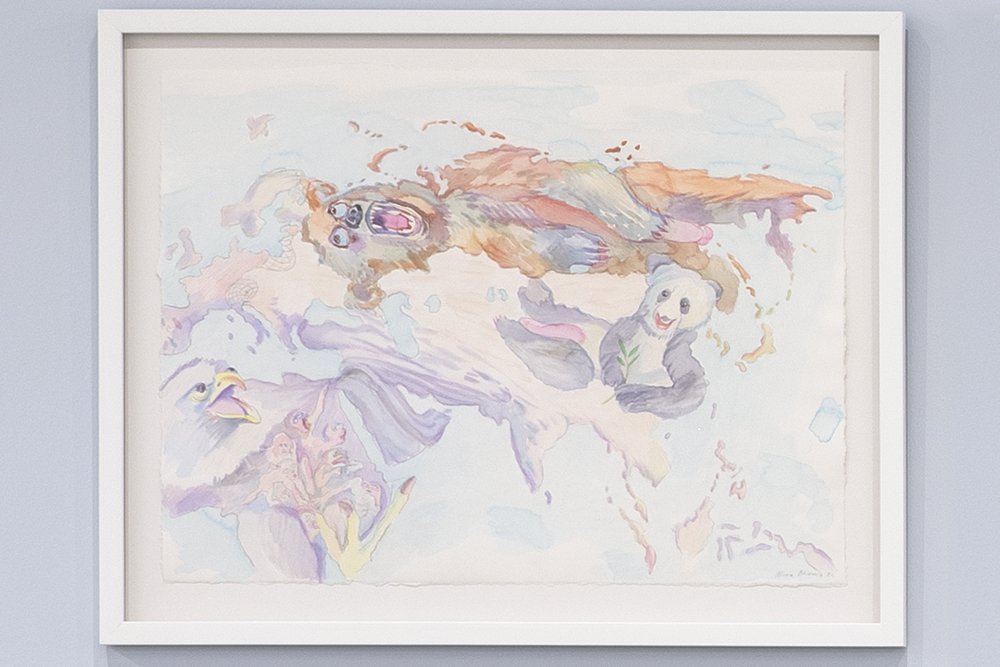
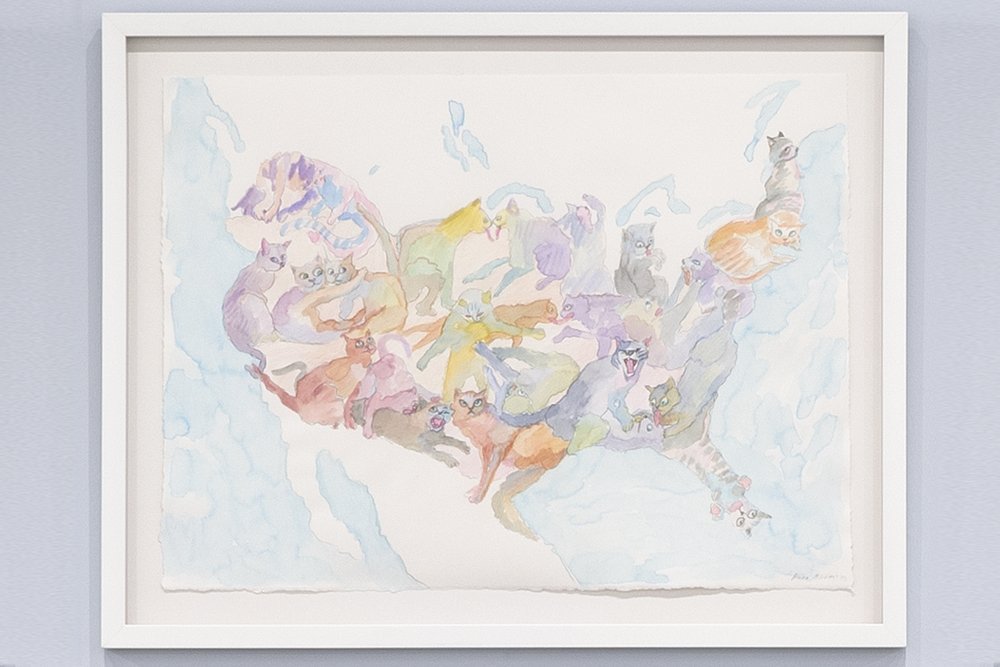
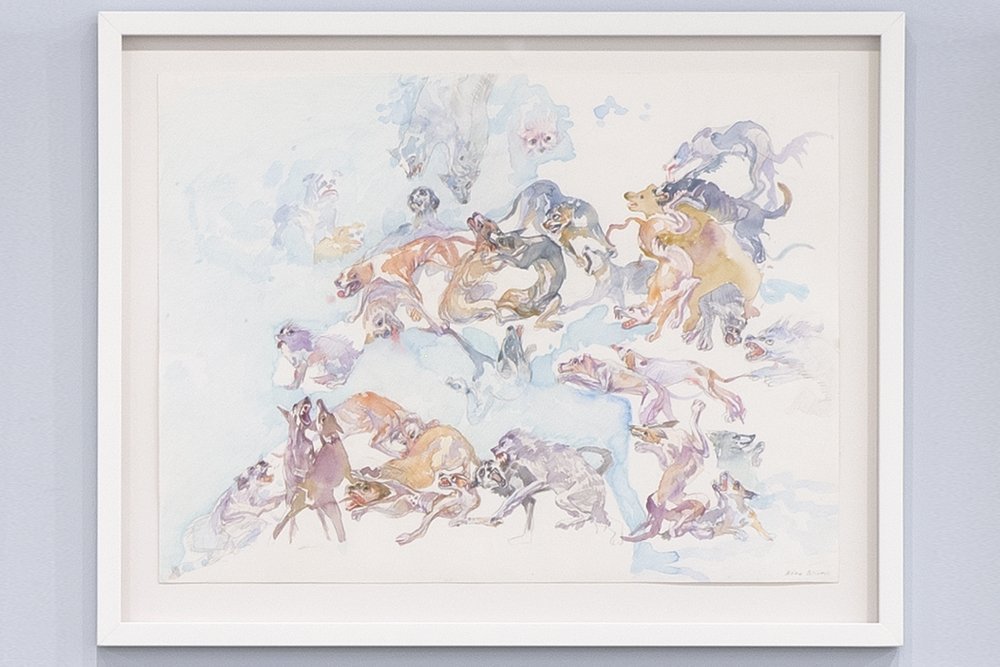
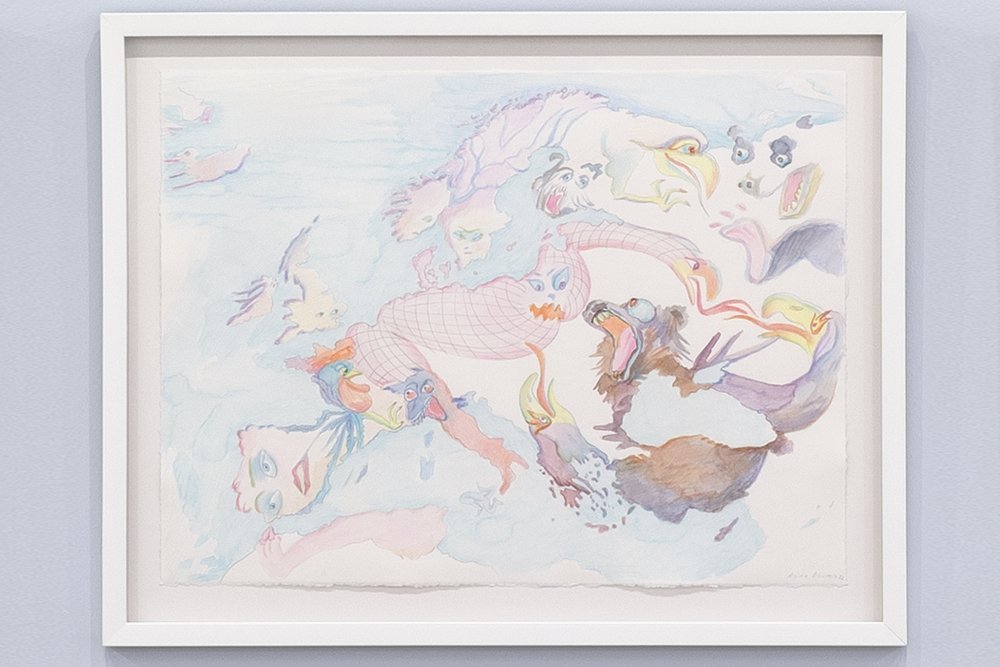
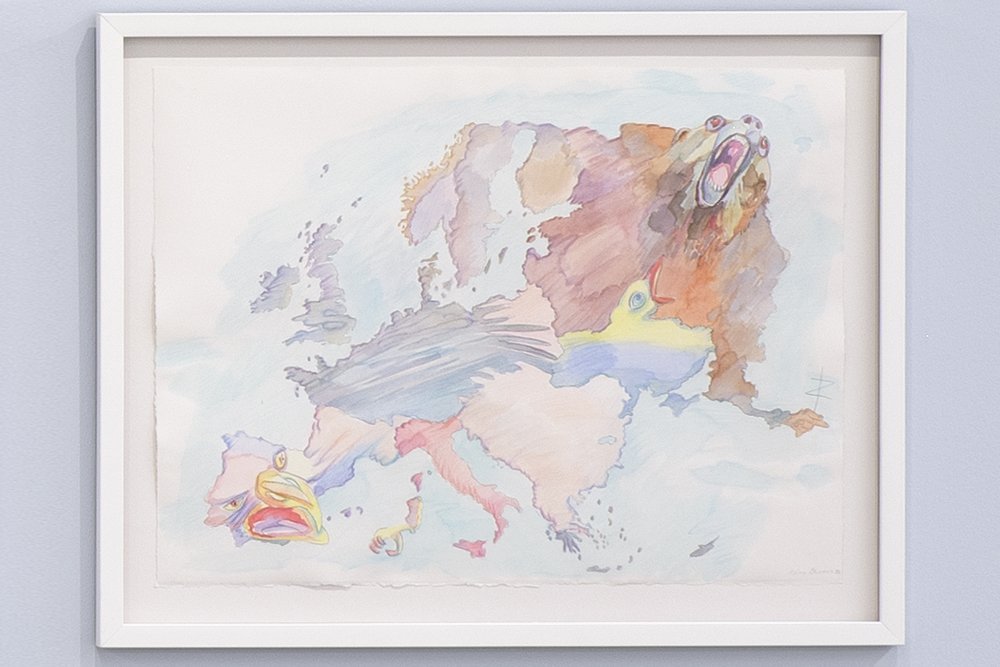
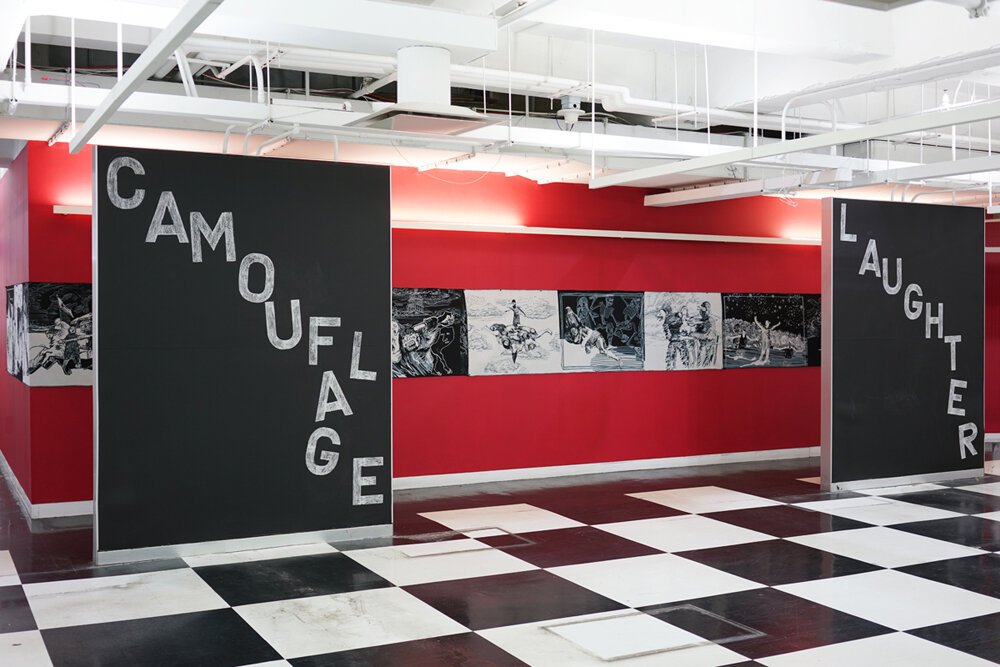
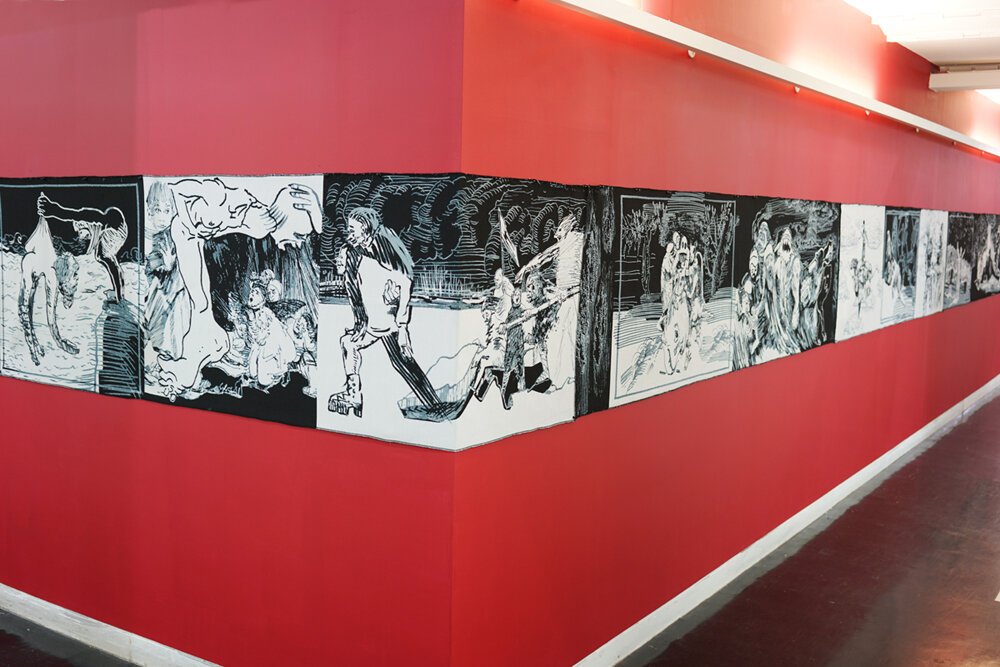
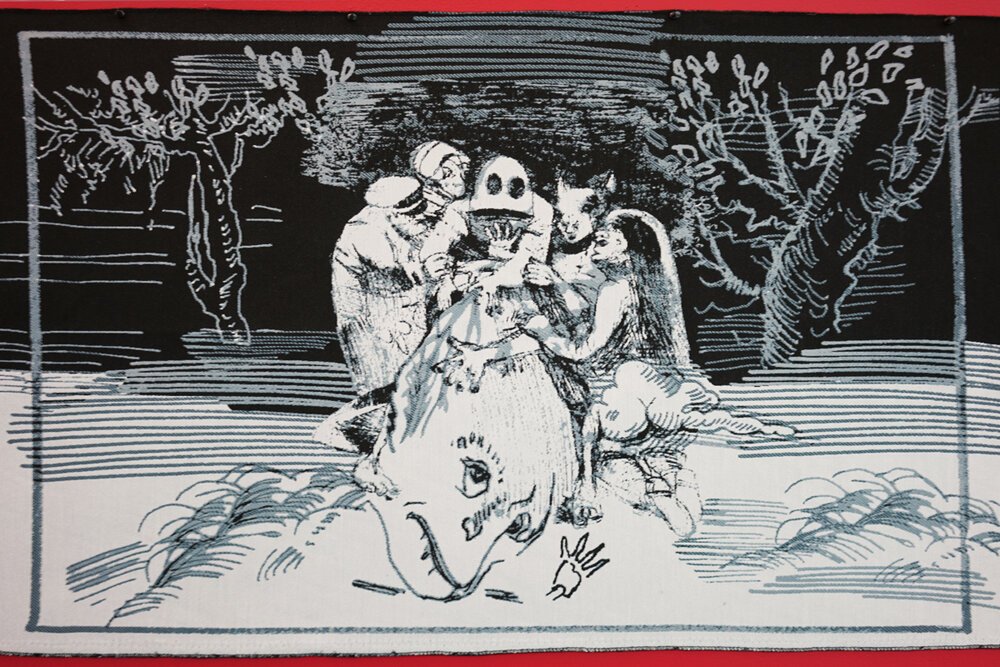
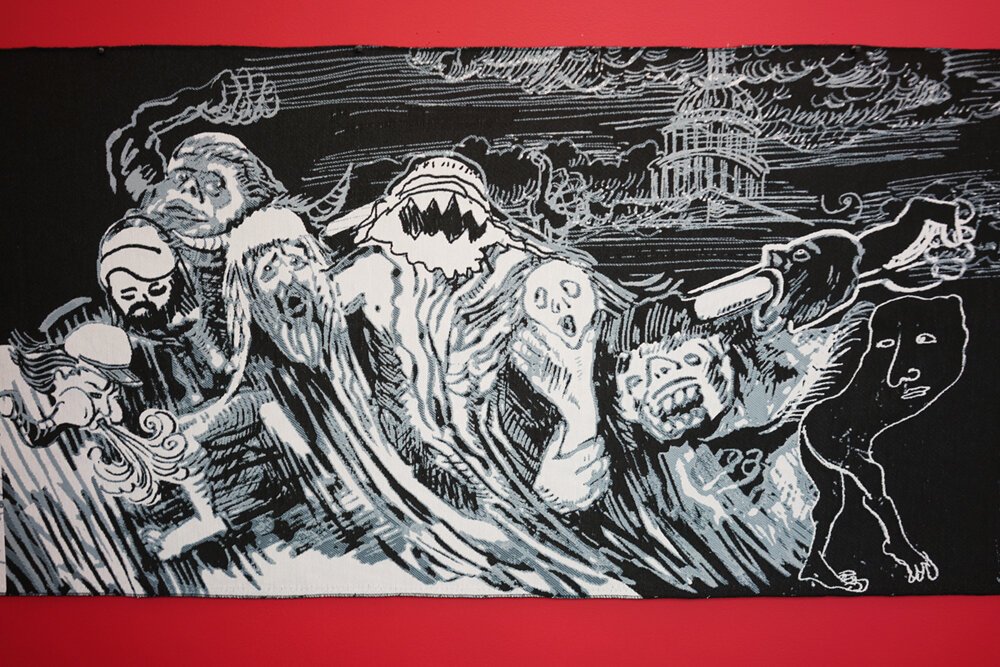
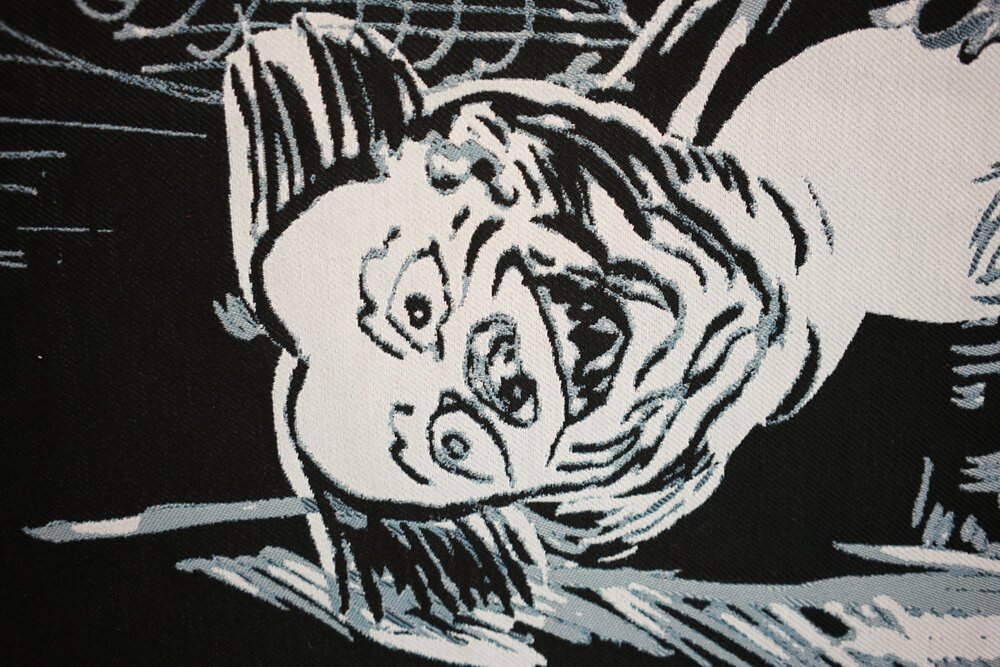
We are accustomed to living in a disenchanted and designed world – the world of administration, technology, geographical maps, statistical data and abstract painting. In this world almost all wild forms of life are already domesticated and put under control: tigers and lions live in national parks or in zoos. However, there remains suspicion that some strange, alien forms of life are concealed under the familiar surfaces of our world and cannot be totally suppressed. In the polytheistic myths of ancient cultures the flows, woods and mountains became animated. And through this act of animation they became also dangerous and violent. In her art Alina Bliumis applies the same act of animation on the familiar images of our lifeless, soulless, administered world. As a result, the hidden energy of violence and aggression becomes revealed upon which those images owe their aura of tranquility and peaceful stability.
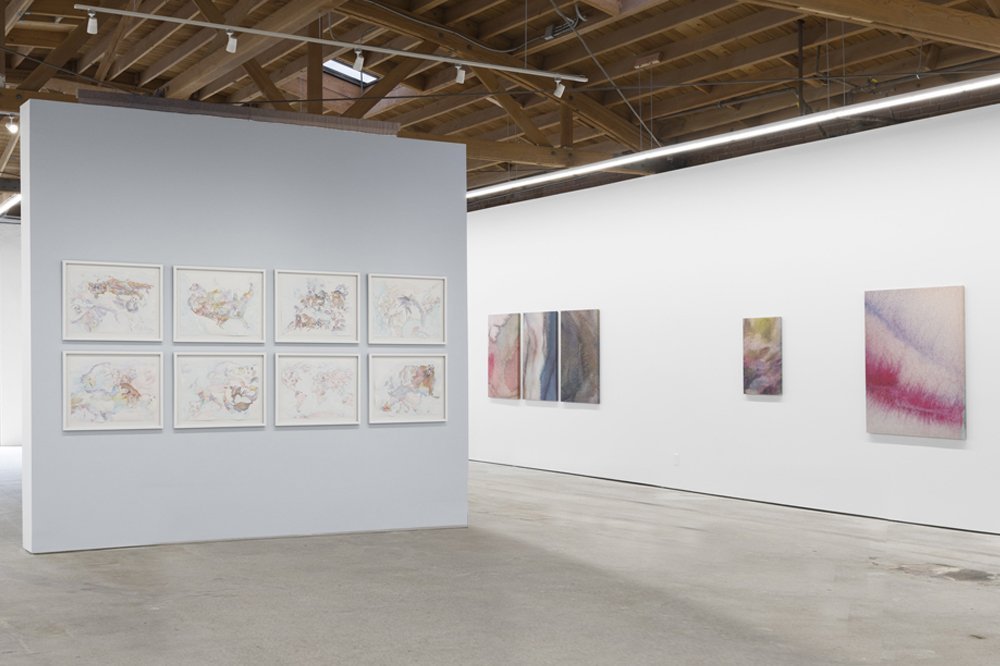
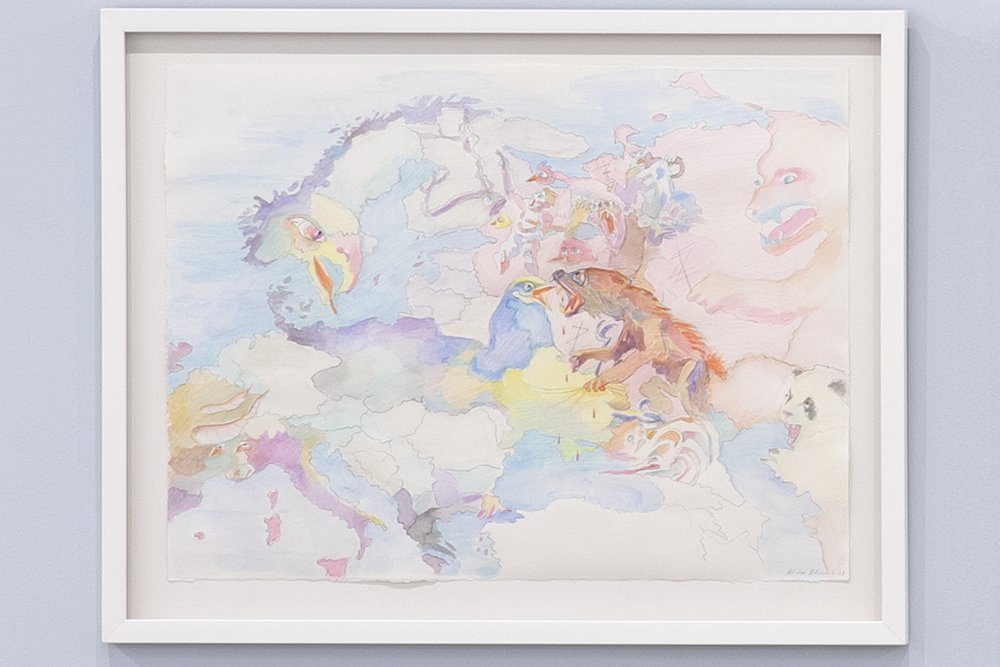
Indeed, when we look at the political map of the world, on which every country is presented by a certain geometrical form, we tend to forget that this form is always a result of bloody wars and oppression. In her series “Nation Unleashed” Alina reveals the “animal” energy of hate and aggression to which contemporary countries owe the shapes of their borders. She shows the peaceful surface of our world as camouflage concealing the violent fight for dominance. Of course, as an artist of Belorussian origin Alina cannot turn her eyes away from the eruptions of violence that currently take place in her region. However, long before these actual events took place, she was attentive to, what one can call, the political zoology of our contemporary world –the descent of national political symbols from mythical animals of the polytheistic past. 
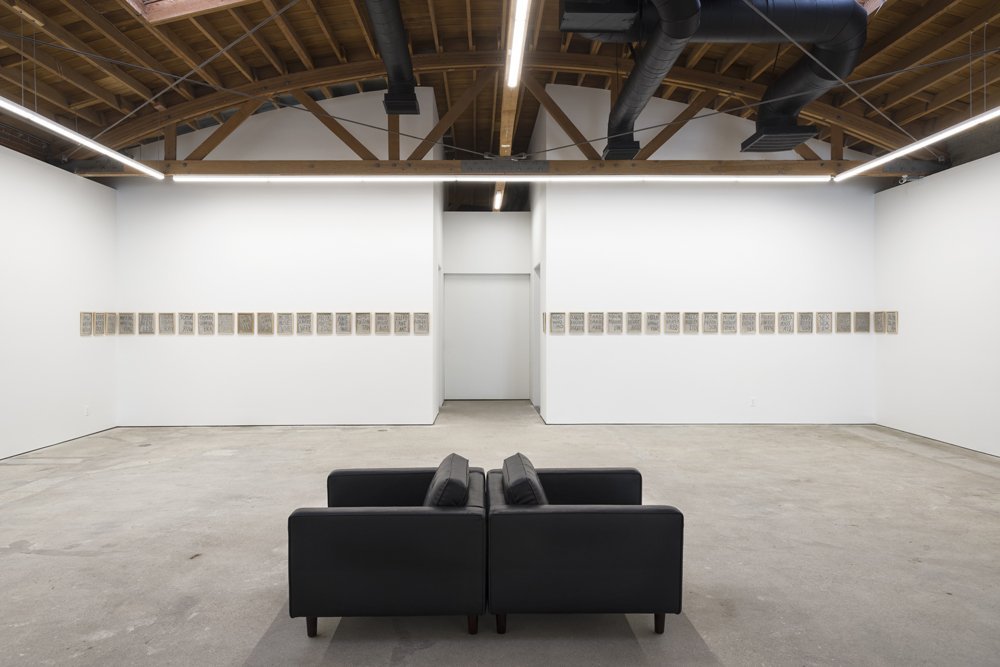
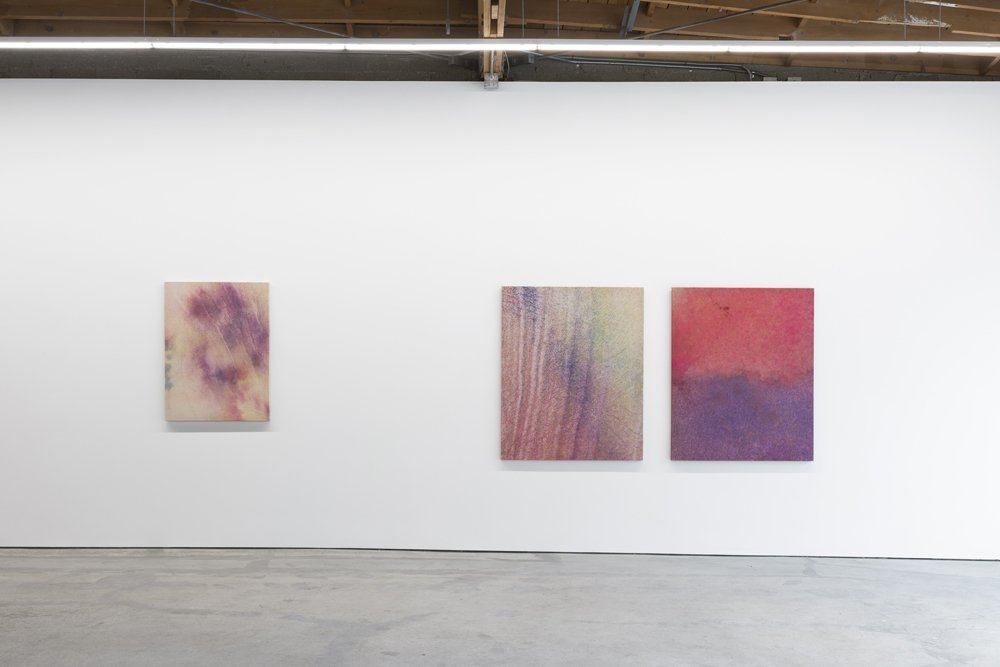
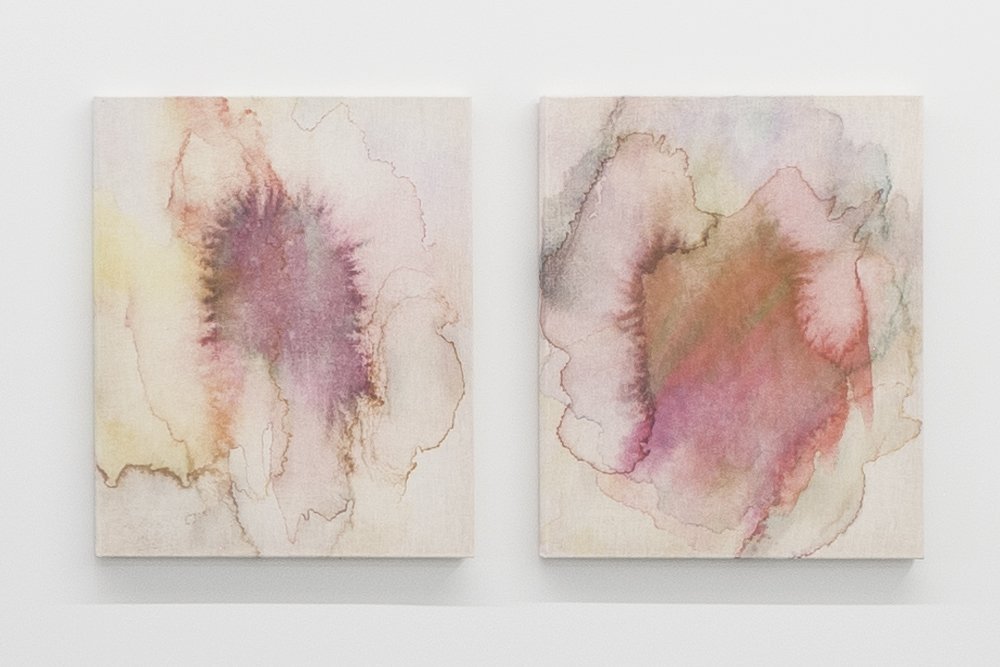
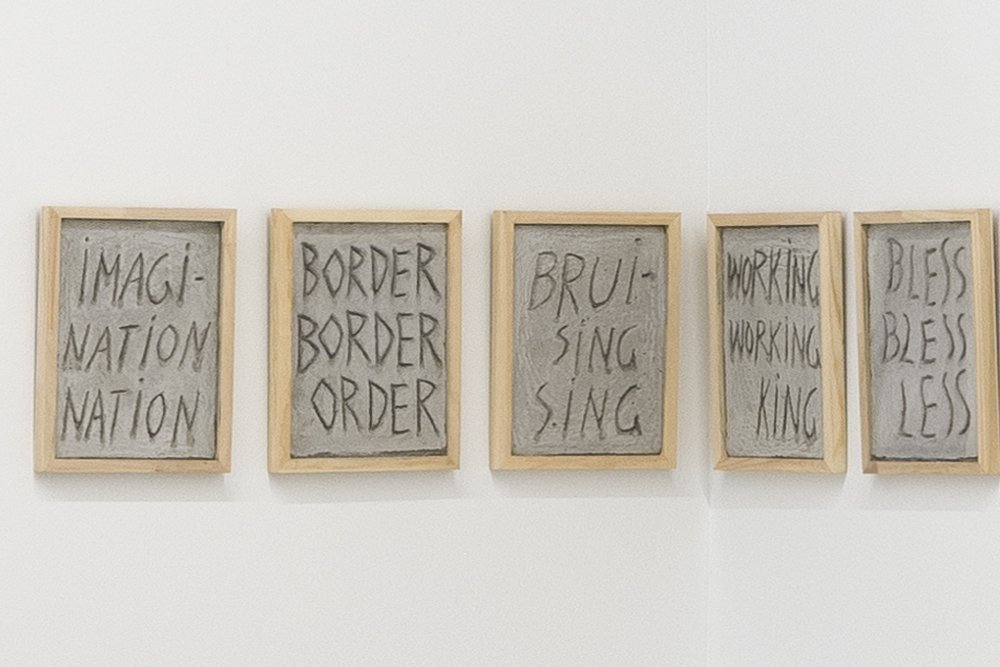
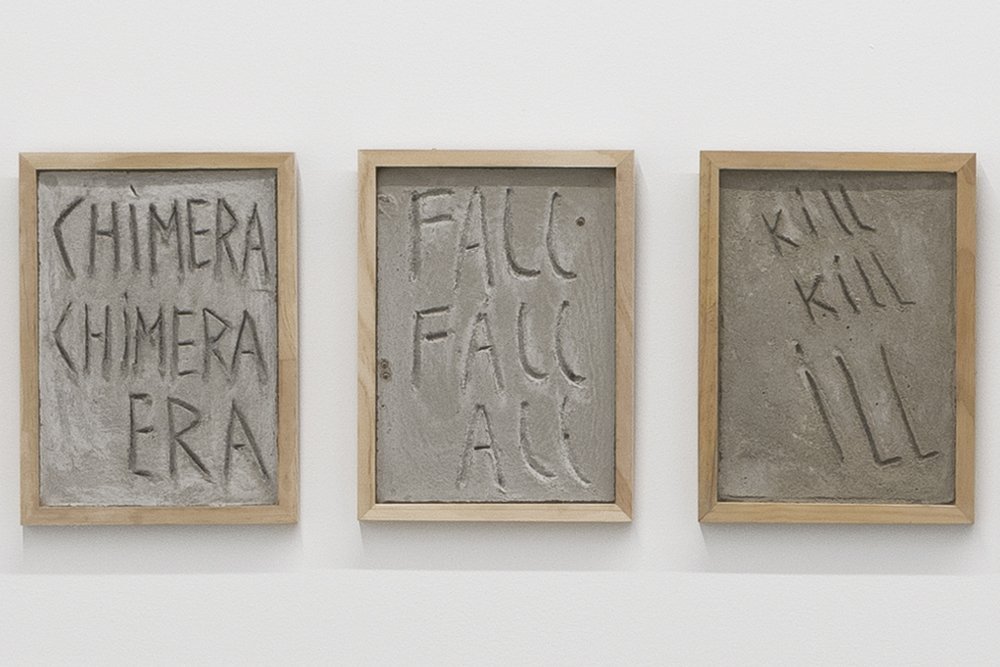
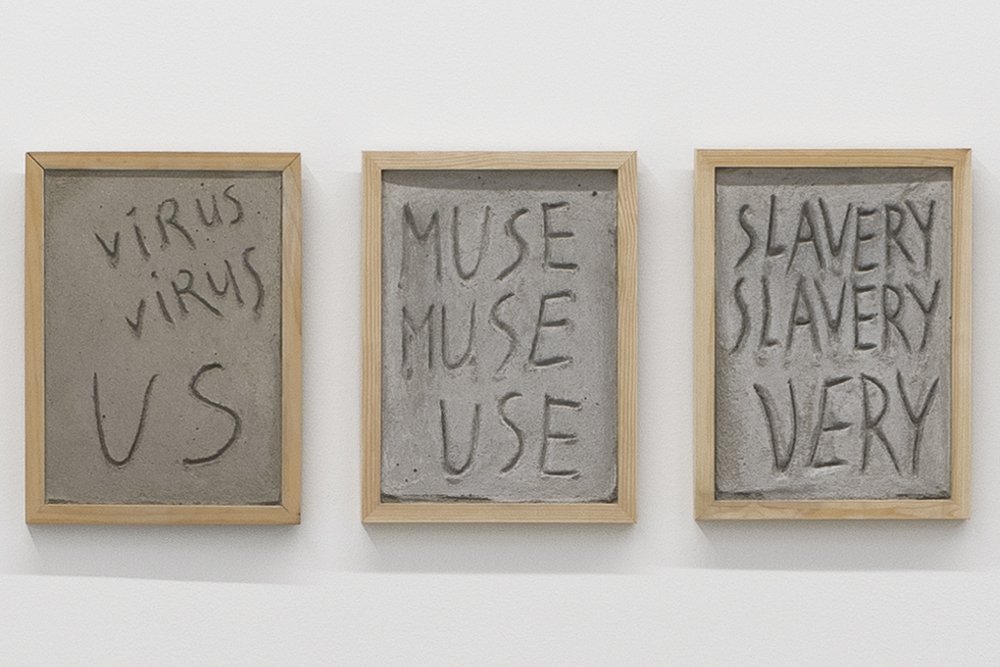
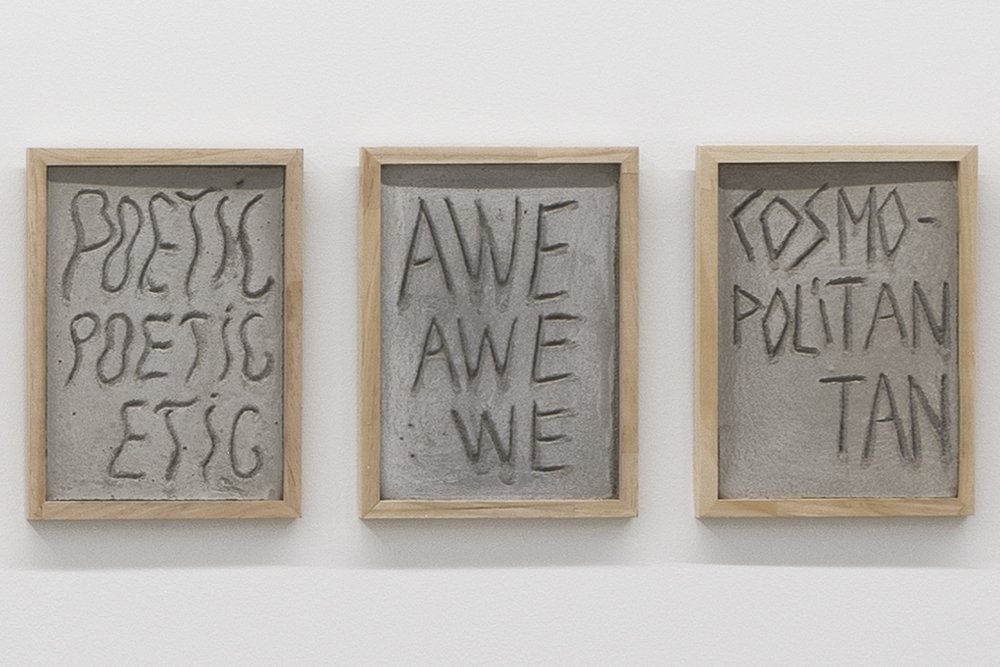
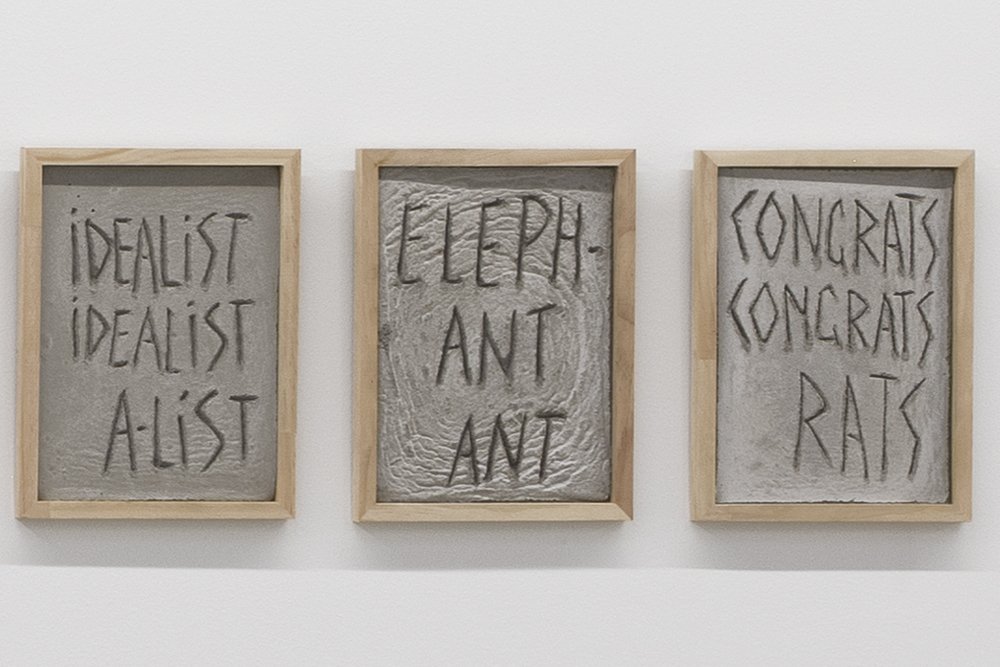
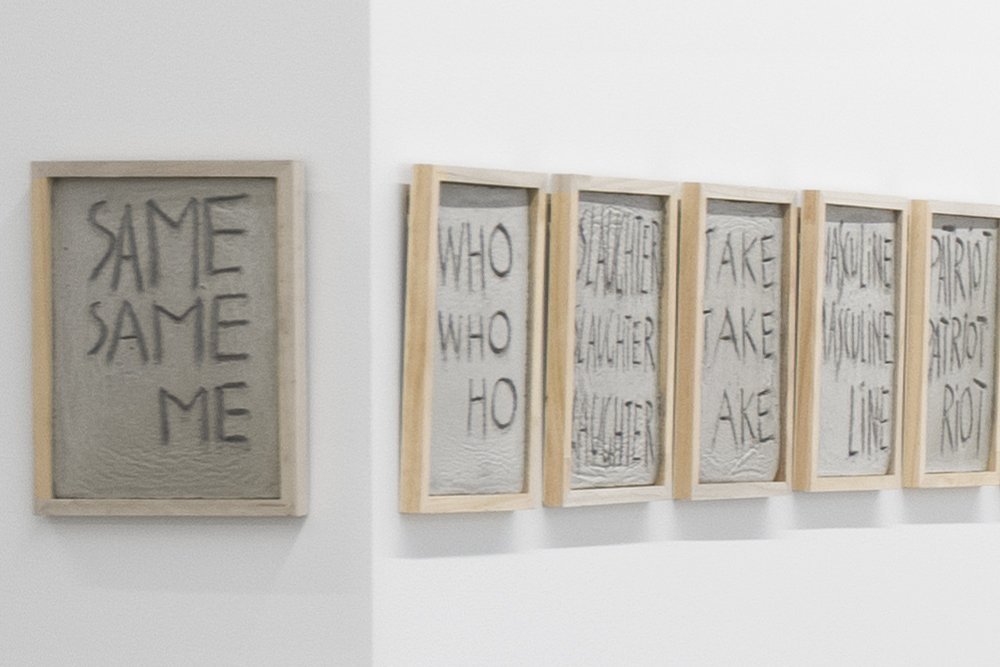
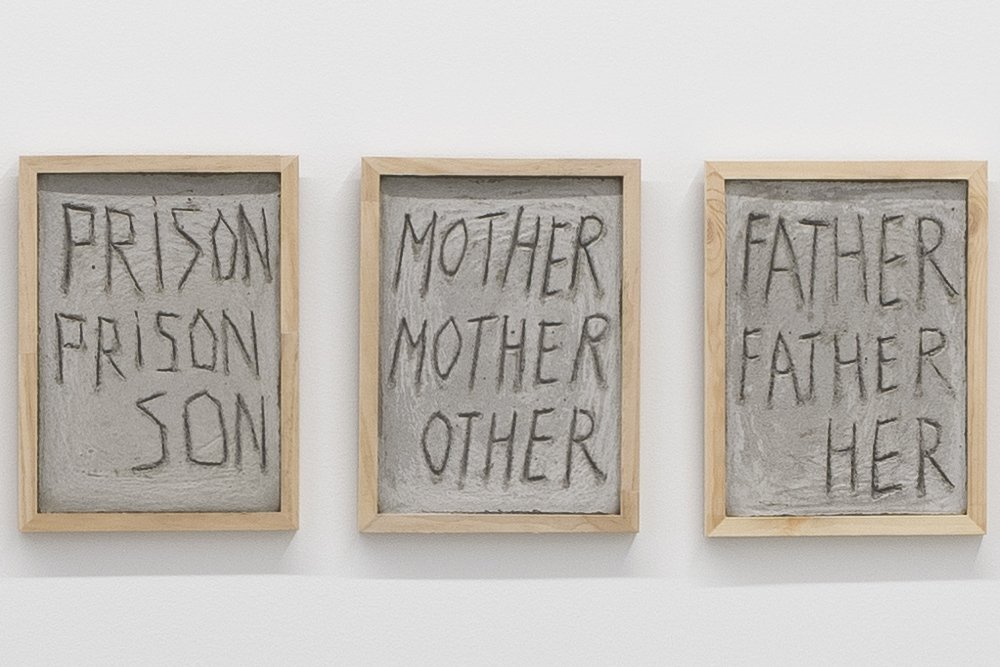
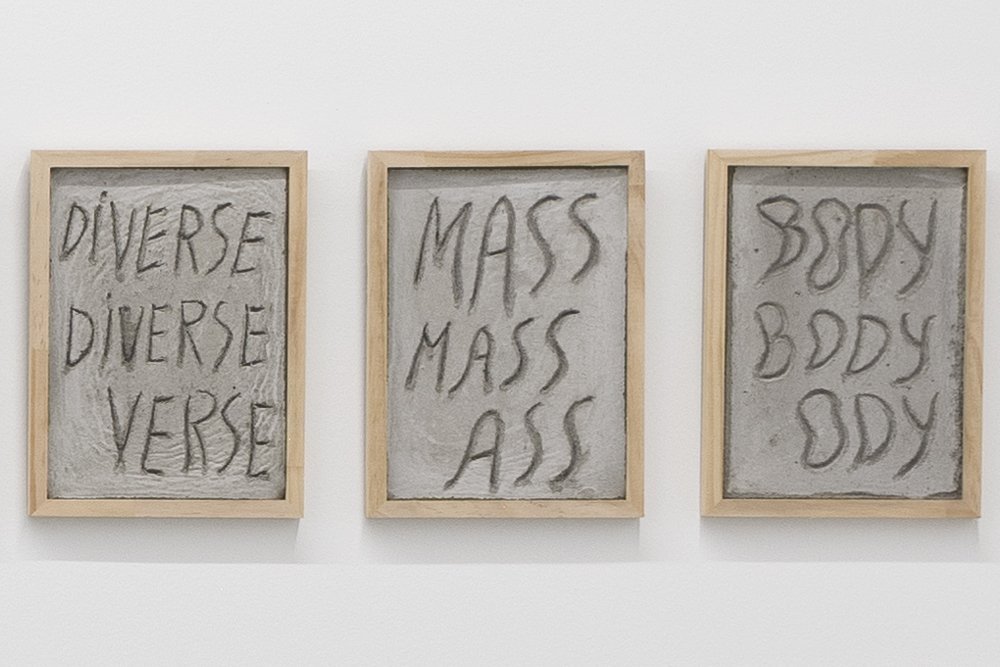
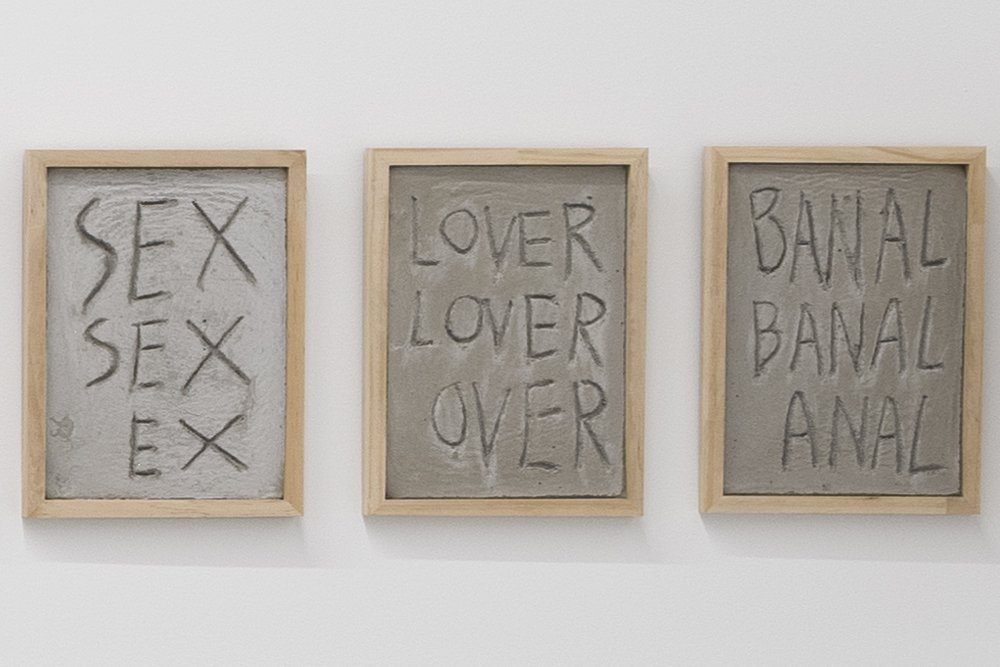
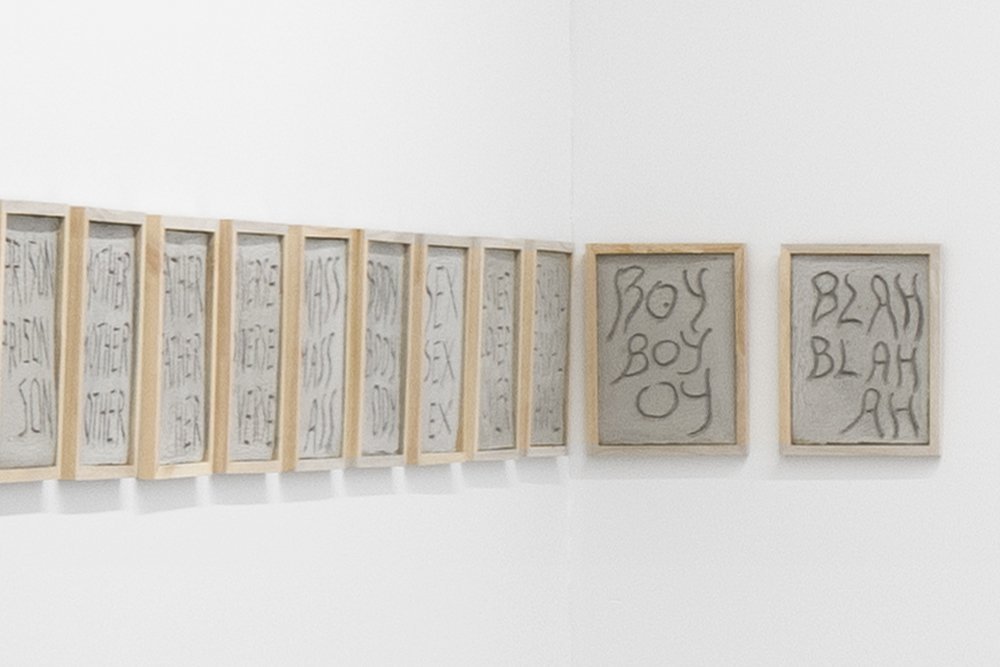
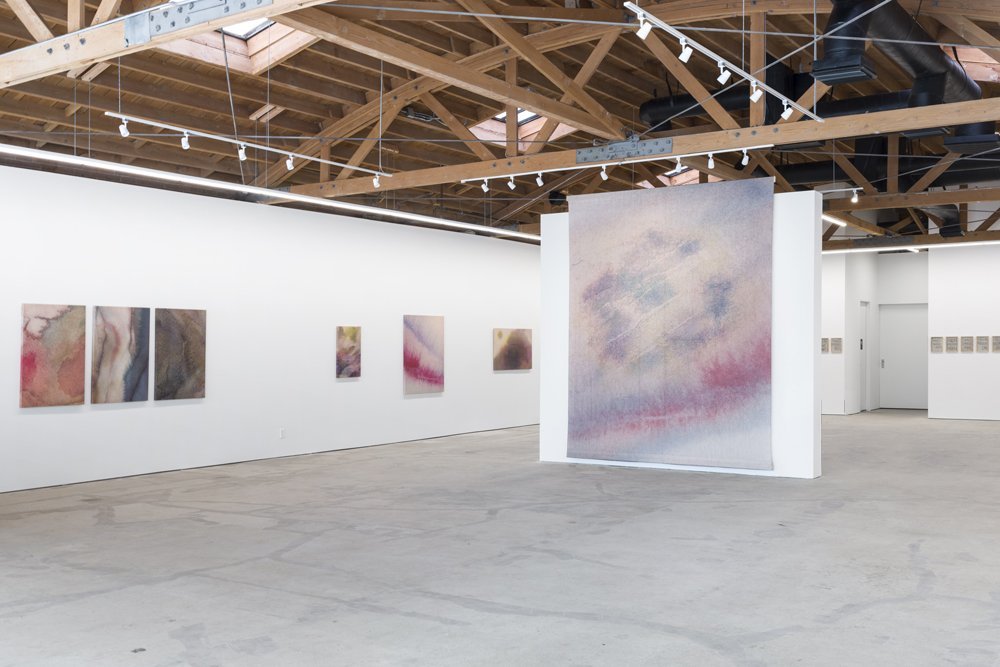
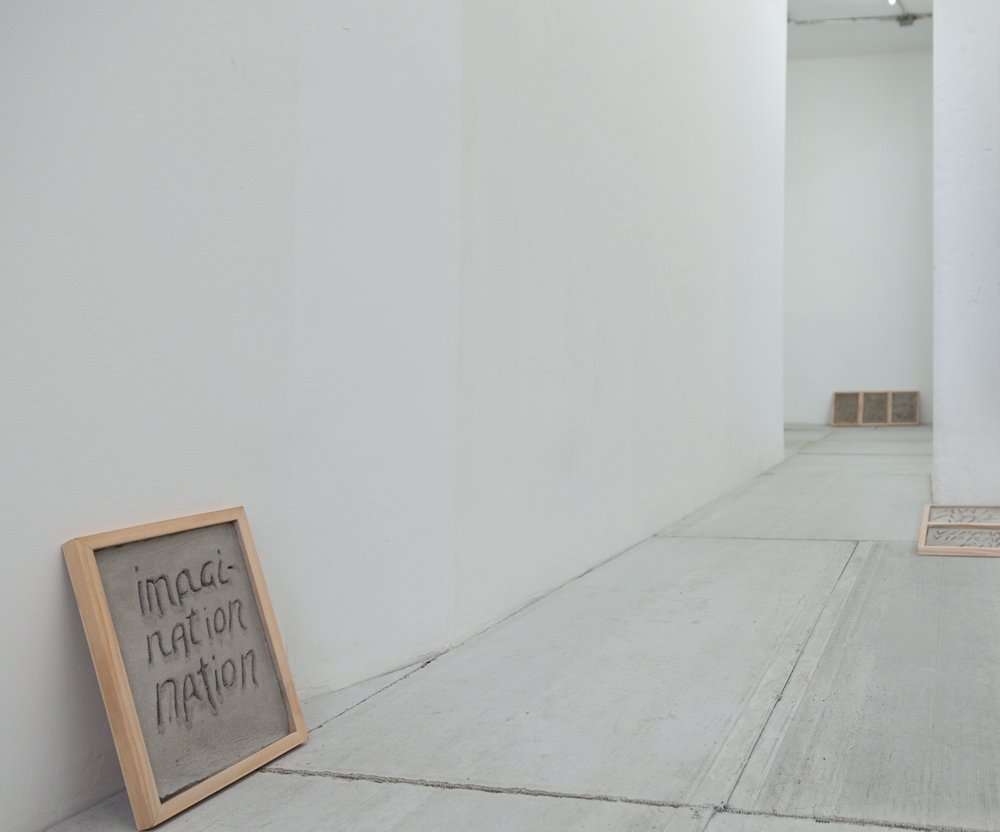
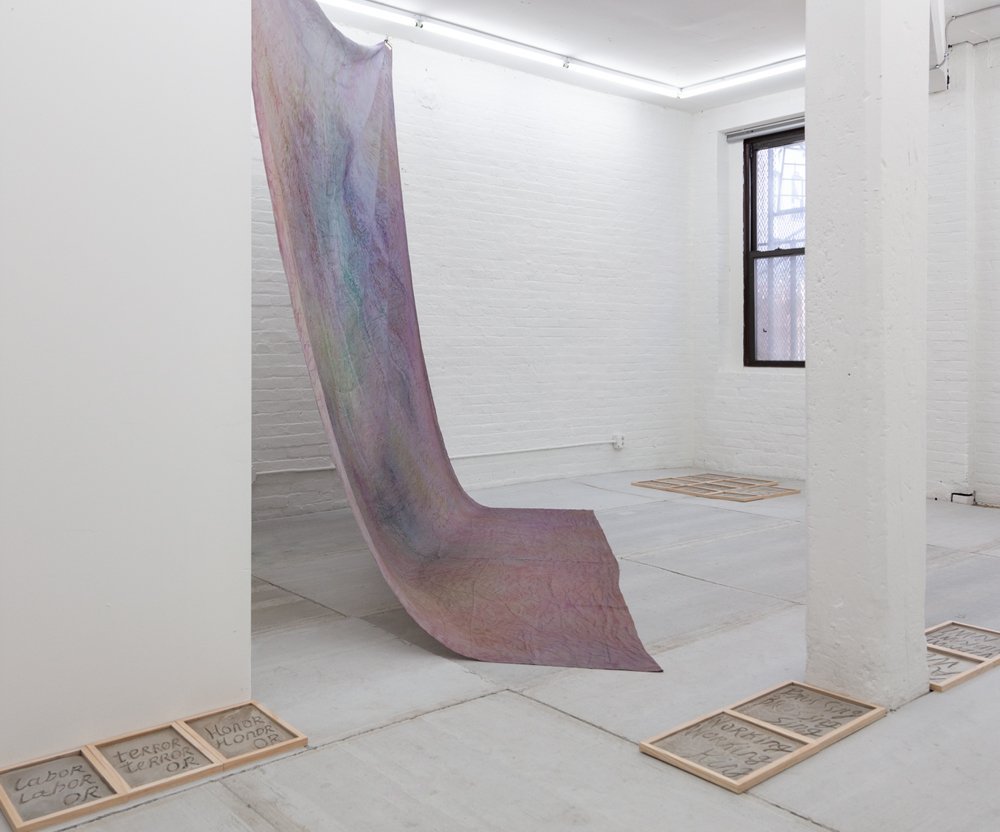
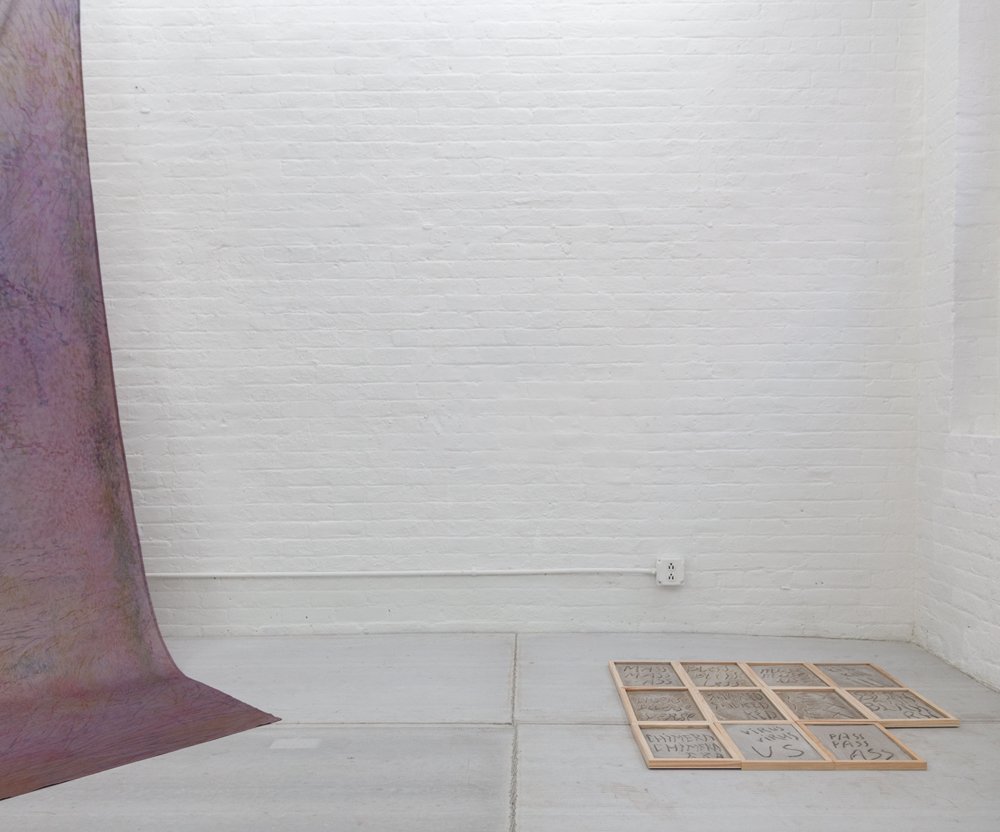
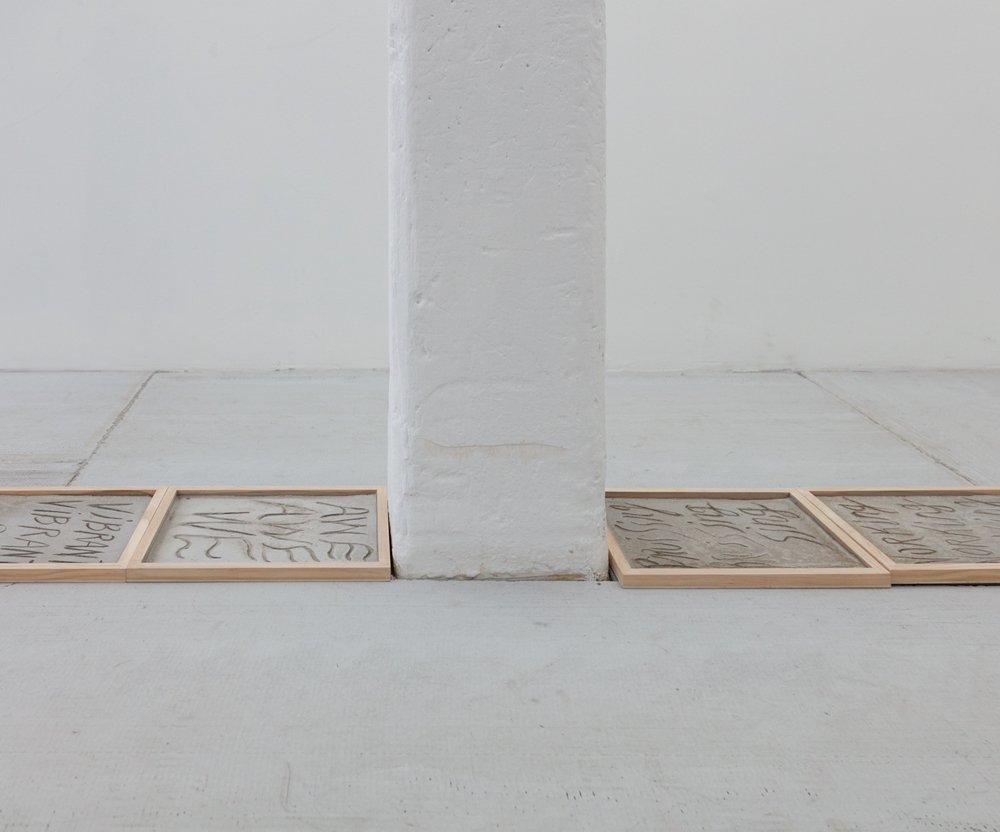
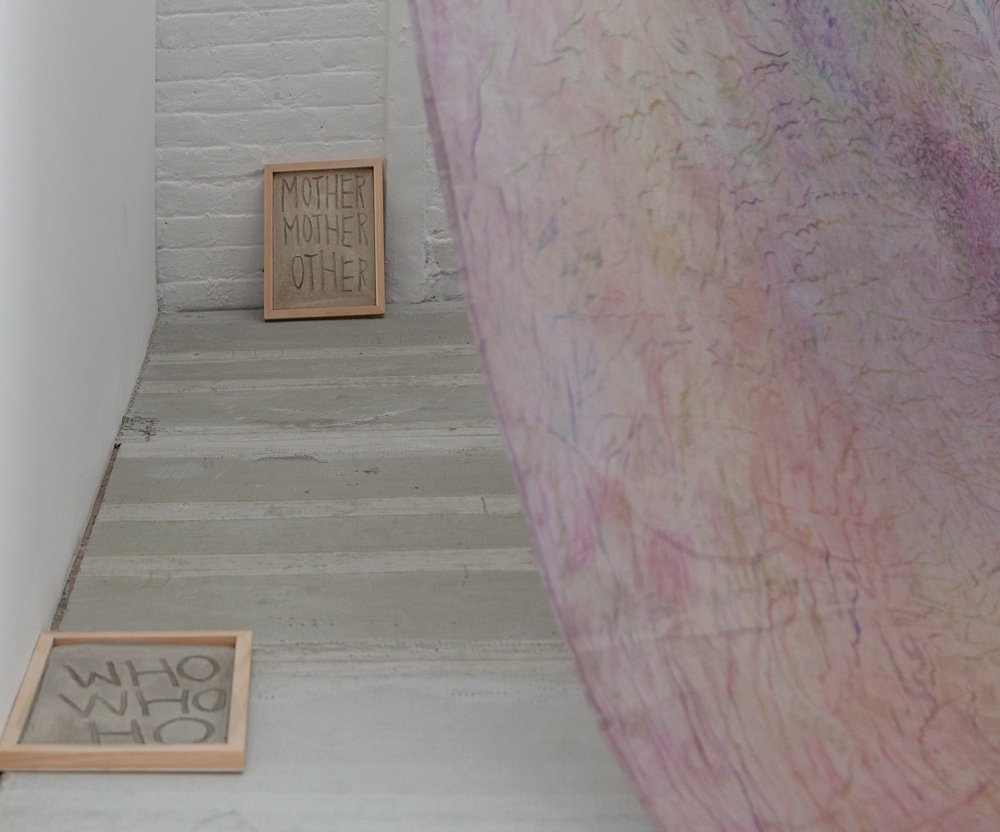
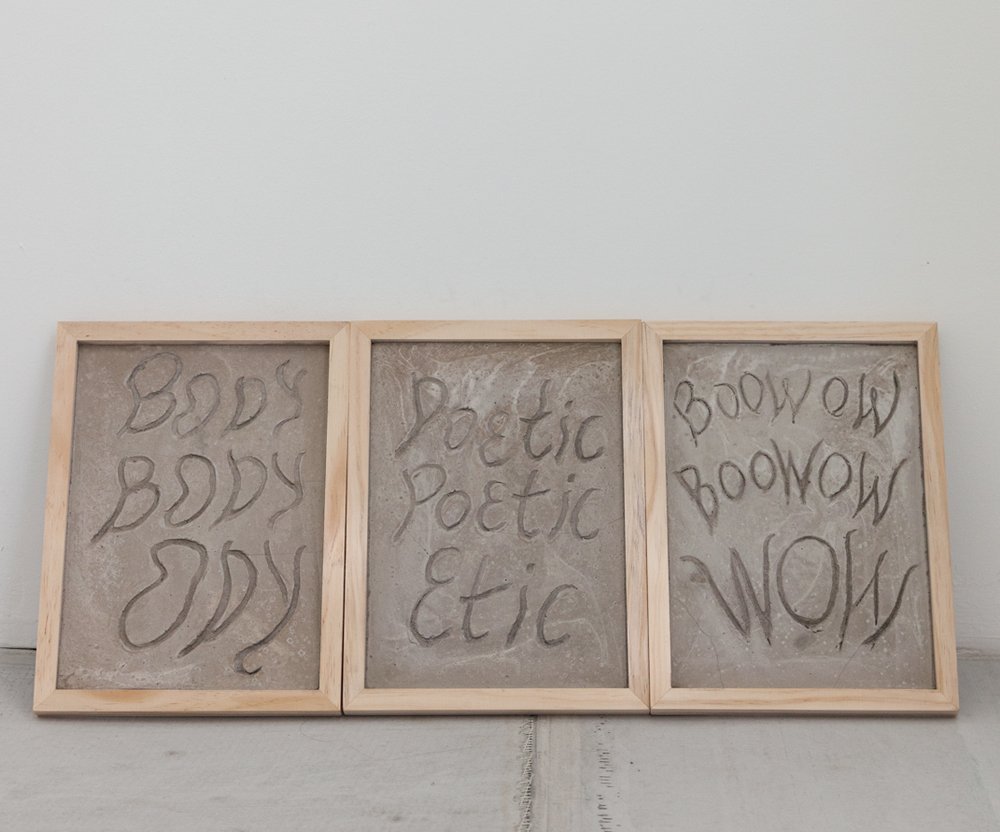
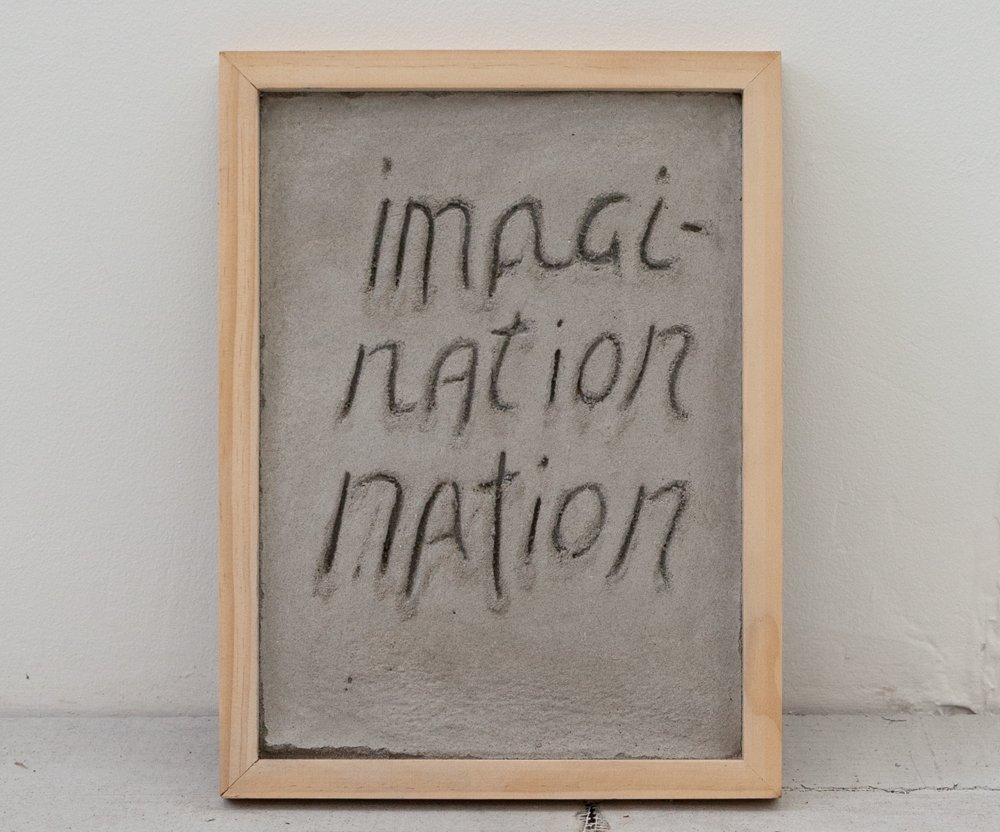
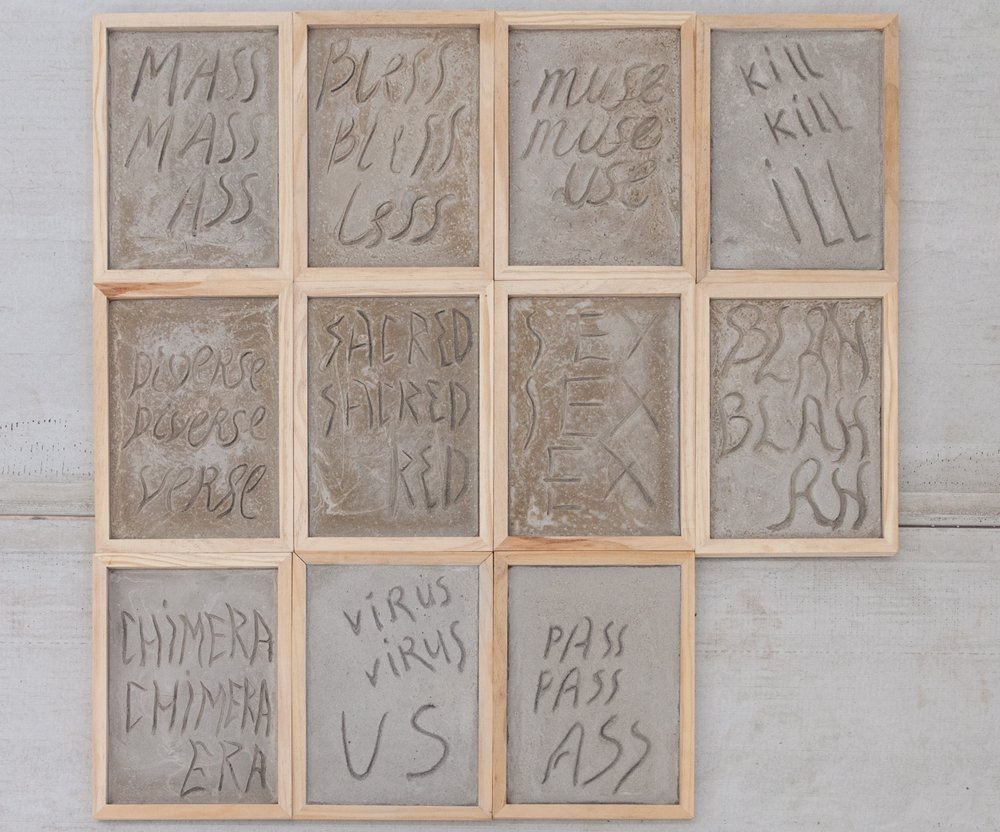
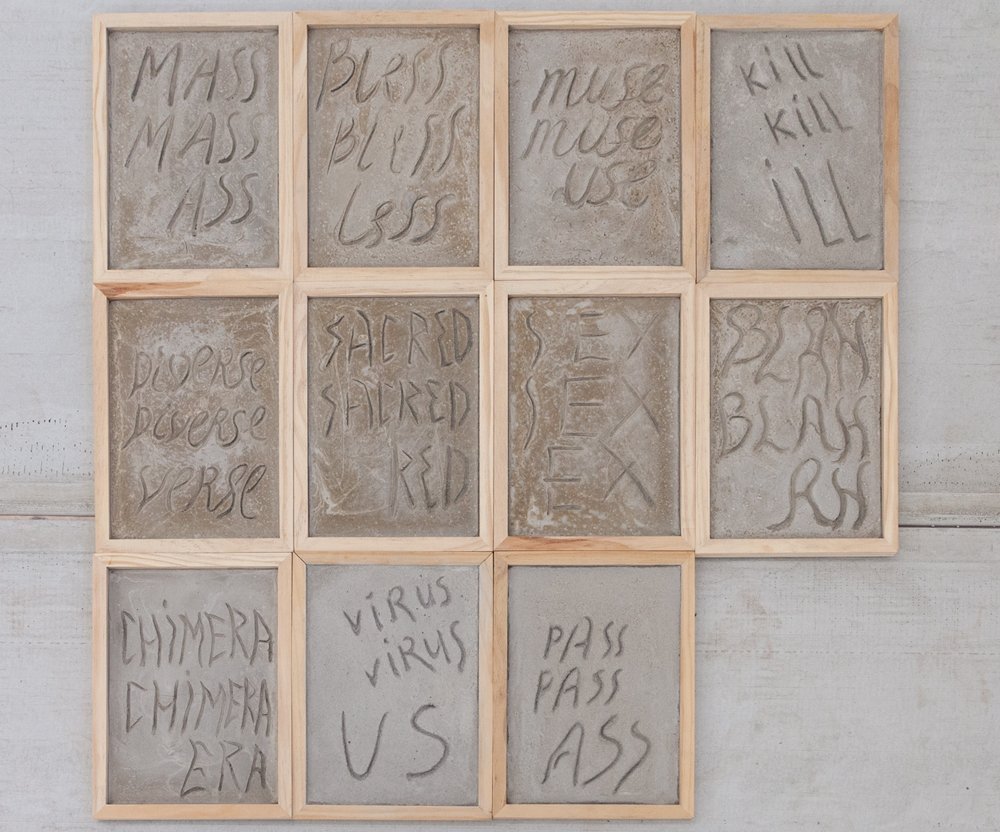
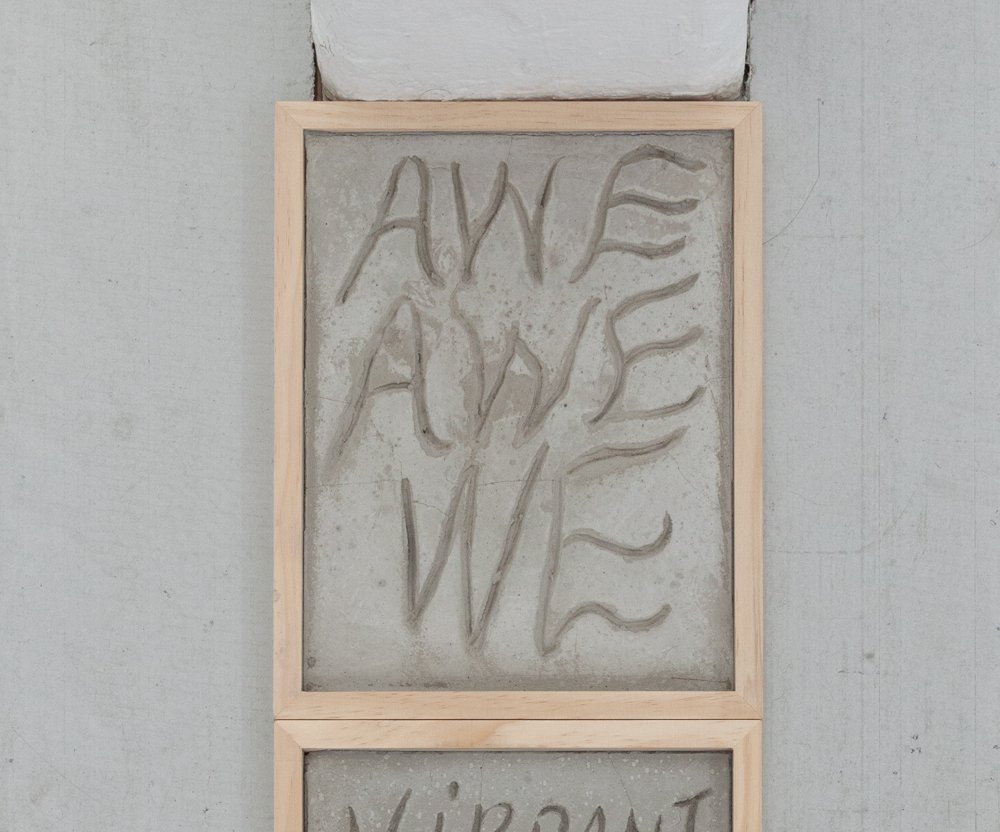
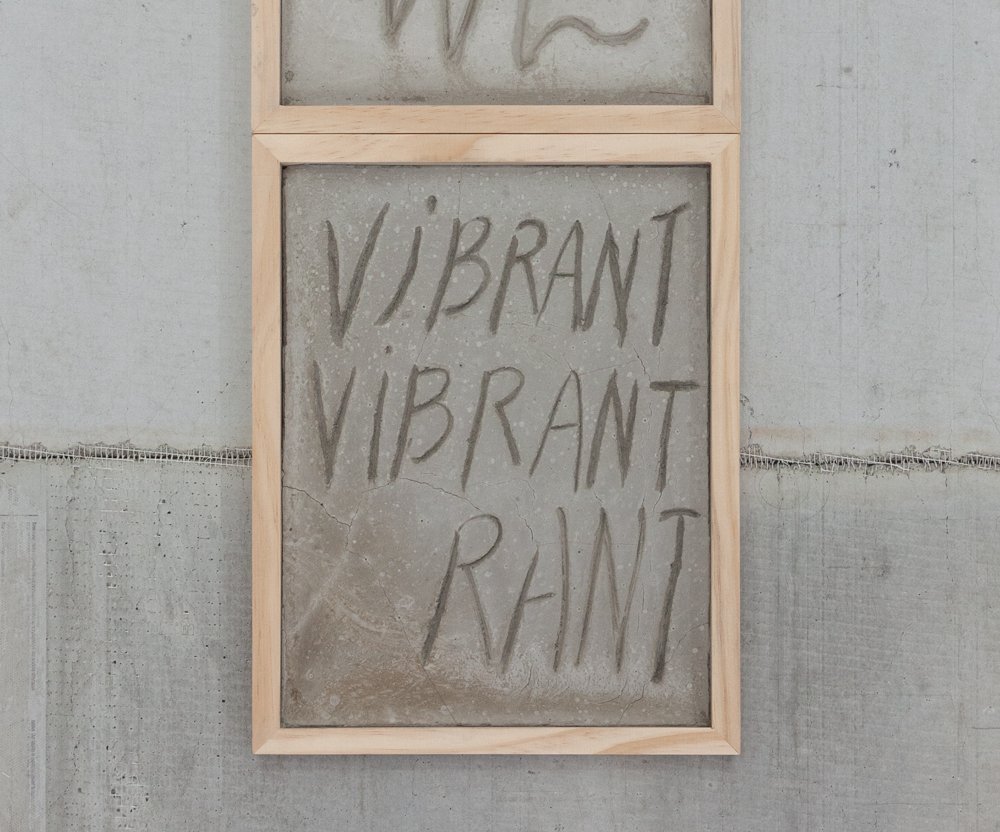
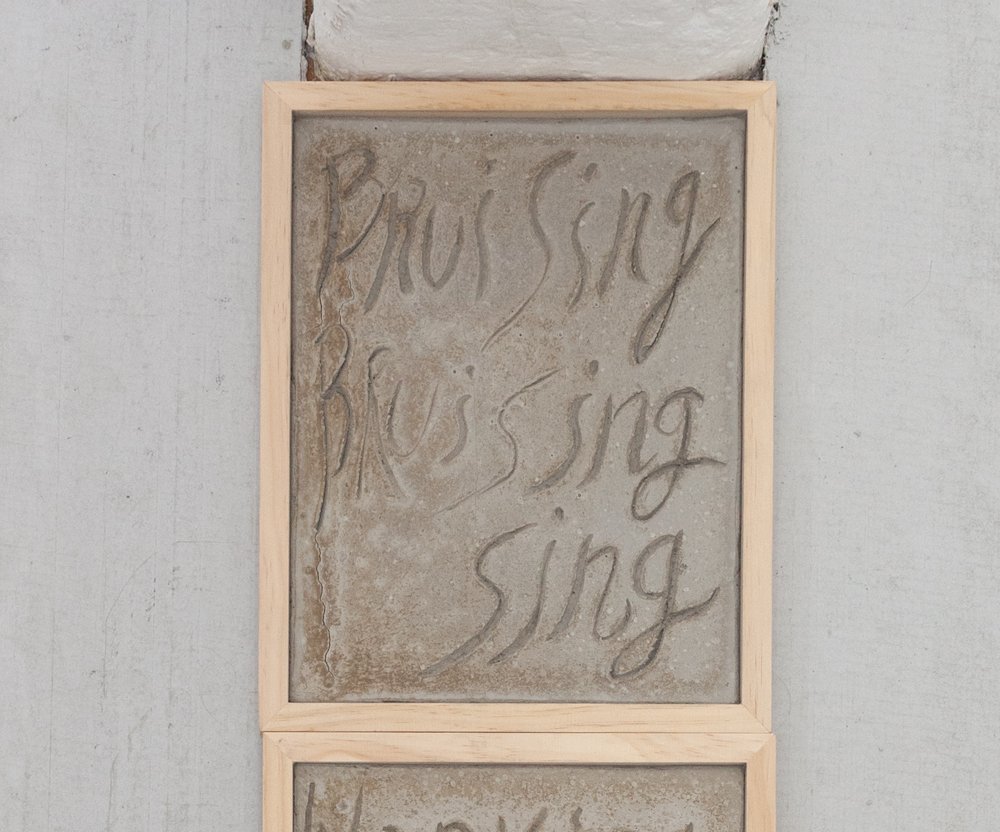
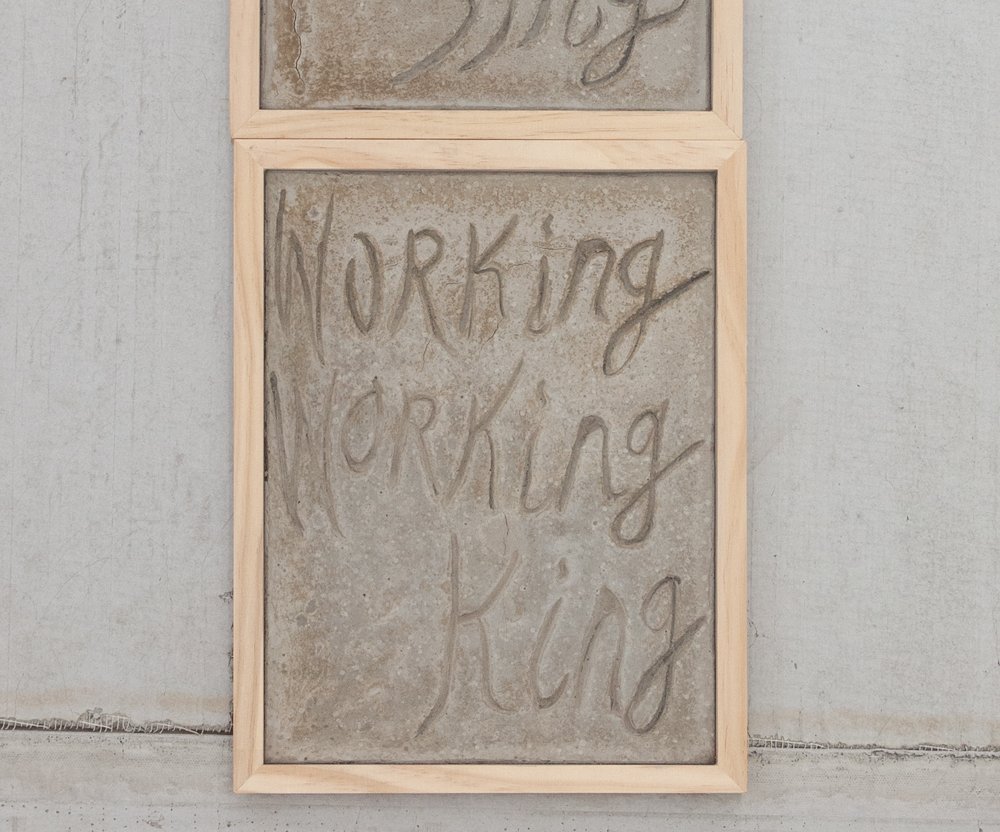
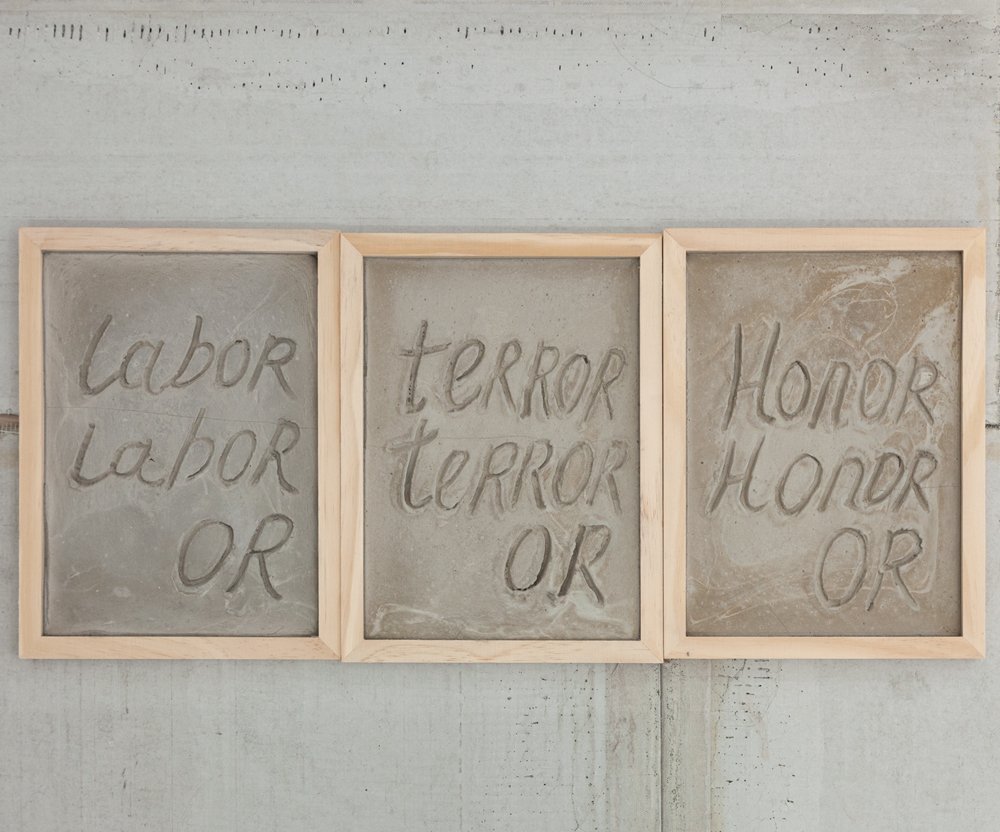
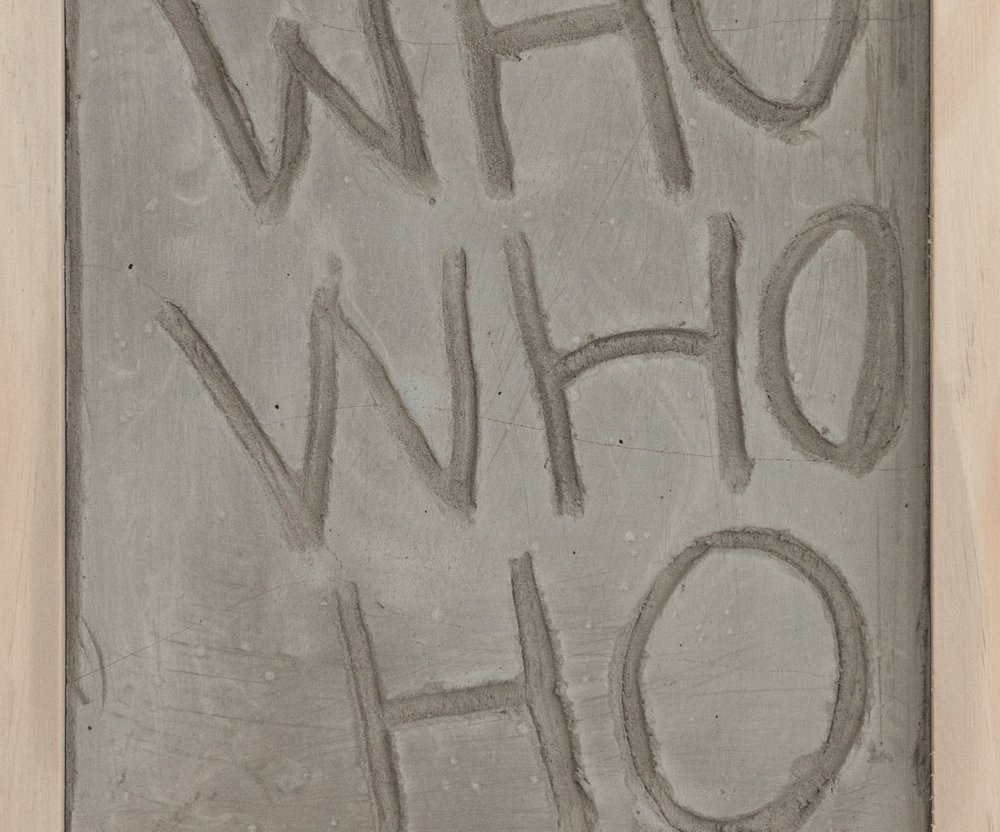
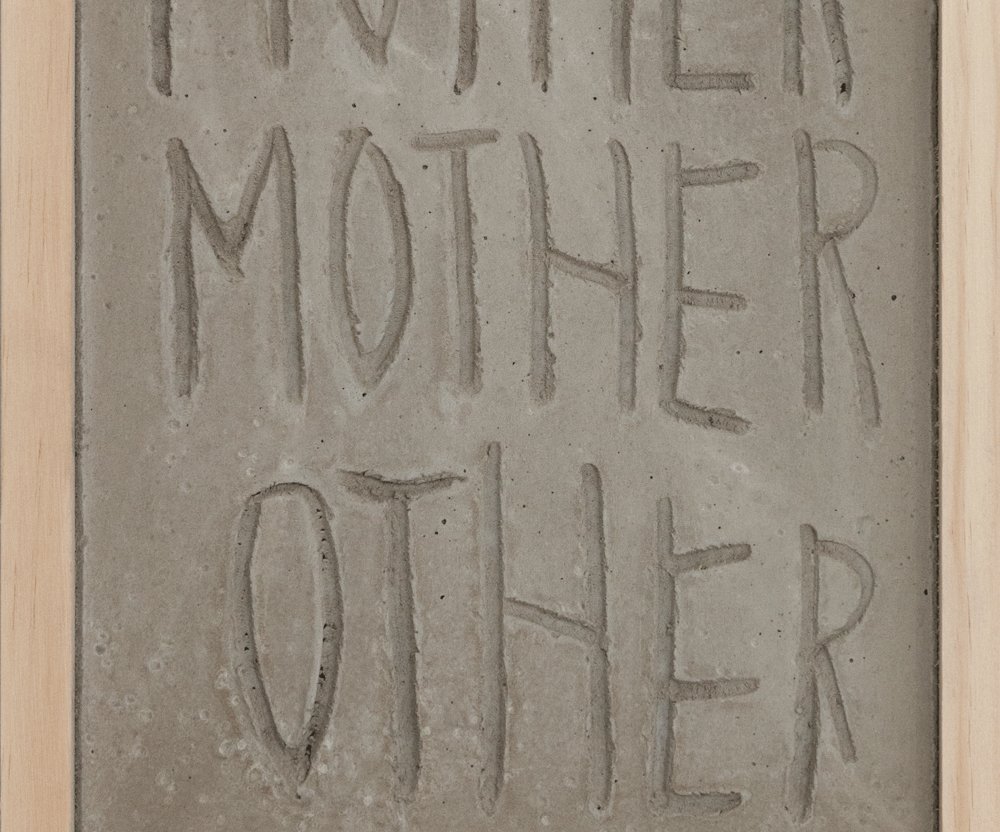
Alina’s disbelief in the surface characterizes her series “Bruises.” Images on their surface that look to be late examples of abstract expressionism become revealed as images that remain on human skin after a punch. Here again peaceful art for art’s sake suddenly turns into a document of physical violence and the fate of the body in the contemporary world. And in the series “Concrete Poems” familiar words that seem to be merely vehicles of ordinary communication begin to dissolve, revealing an abyss of the absurd hidden behind their grammatically correct surface.

Theodor Adorno famously said that to write poetry after Auschwitz is impossible. The appearance of the beautiful would only serve as cover making us forget the cruel reality of our world. Many artists reacted to this challenge by making their artworks look as ugly as reality itself. However, in this way they missed the cruelty of the second degree – the cruelty of the aestheticizing cover-up. It is this cruelty of the second degree – the cruelty inherent to the artistic practice itself – that Alina makes her topic in a subtle and at the same time surprisingly direct and convincing way.

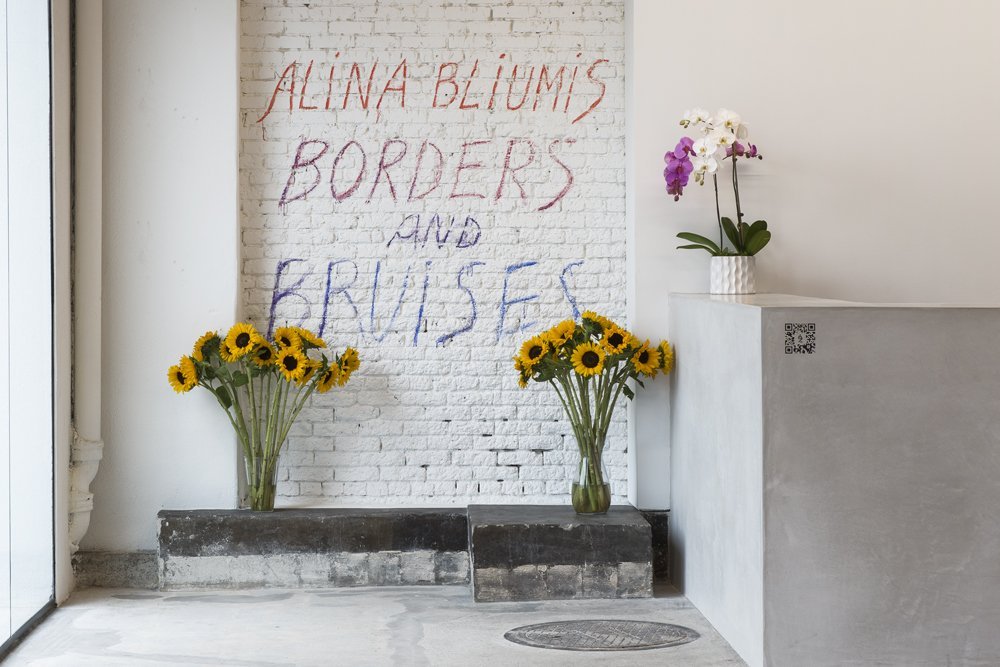
*The exhibition Borders and Bruises at Anna Zorina Gallery, LA is accompanied by text written by art critic, media theorist, and philosopher, Boris Groys.